Spain to Bring 500 Unaccompanied Minors from Ceuta to Mainland
Spain plans to bring around 500 unaccompanied minors from Ceuta to the mainland, with the help of child protection organizations and regional governments. The minors will be cared for in suitable facilities on the mainland.
Intelligence analysis by Llama
Spain is working to bring 500 unaccompanied minors from Ceuta to the mainland, with the help of child protection organizations and regional governments. The minors will be cared for in suitable facilities on the mainland.
Imagine you're a kid who's all alone in a foreign country, with no family or friends to take care of you. That's what's happening to many kids in Ceuta, a Spanish island in North Africa. The Spanish government is trying to help these kids by bringing them to the mainland, where they can get the care and support they need.
Analysis
Ceuta's Unaccompanied Minors: A Growing Concern
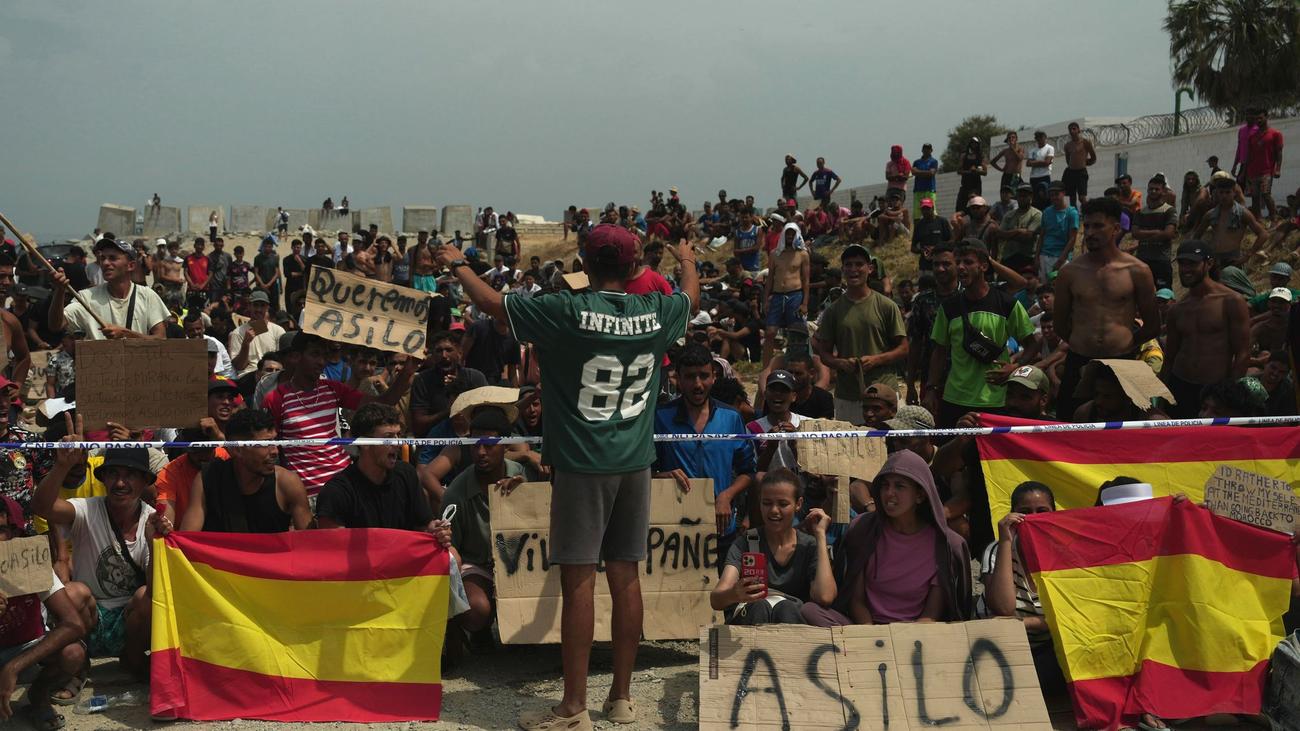
Ceuta, a Spanish enclave in North Africa, has been grappling with a massive influx of migrants, particularly unaccompanied minors, in recent months. The situation has become increasingly dire, with many of these minors facing significant challenges in terms of their safety and well-being.
According to recent reports, Spain has identified around 2,168 unaccompanied minors in Ceuta, with many more believed to be in the area. The majority of these minors are from Morocco, but some have also been identified as being from other countries in the region.
The Spanish government has announced plans to bring around 500 of these minors to the mainland, where they will be cared for in suitable facilities. This move is seen as a crucial step in addressing the needs of these minors and ensuring their safety.
The Challenges Faced by Ceuta's Minors
The situation in Ceuta is complex and challenging, with many of the minors facing significant difficulties in terms of their safety and well-being. The enclave's infrastructure is struggling to cope with the influx of migrants, and many of the minors are being forced to live in overcrowded and unsanitary conditions.
The Spanish government has acknowledged the challenges faced by Ceuta's minors and has announced plans to provide additional support to the enclave. This includes the provision of 25 million euros in funding to support the care and protection of the minors.
The Importance of Addressing Ceuta's Minors' Needs
The situation in Ceuta is not just a humanitarian crisis, but also a significant challenge for the Spanish government. The government's plan to bring the minors to the mainland is a crucial step in addressing their needs and ensuring their safety.
However, the situation in Ceuta is complex and multifaceted, and it will require a sustained effort from the Spanish government and other stakeholders to address the challenges faced by the minors. This includes providing additional support to the enclave, improving the infrastructure and services available to the minors, and working to address the root causes of the migration crisis.
Ultimately, the situation in Ceuta is a reminder of the importance of addressing the needs of vulnerable populations, particularly children. The Spanish government's plan to bring the minors to the mainland is a crucial step in this direction, and it is hoped that it will provide a more stable and secure environment for these young people.
Key points
- Spain plans to bring around 500 unaccompanied minors from Ceuta to the mainland.
- The minors will be cared for in suitable facilities on the mainland.
- The Spanish government has announced plans to provide additional support to Ceuta, including 25 million euros in funding.
- The situation in Ceuta is complex and challenging, with many of the minors facing significant difficulties in terms of their safety and well-being.
If the Spanish government's plan to bring the minors to the mainland is successful, it could provide a more stable and secure environment for these young people. This could also help to address the root causes of the migration crisis and provide a more sustainable solution for the minors.
However, the situation in Ceuta is complex and multifaceted, and it will require a sustained effort from the Spanish government and other stakeholders to address the challenges faced by the minors. If the government's plan is not implemented effectively, it could lead to further difficulties and challenges for the minors.