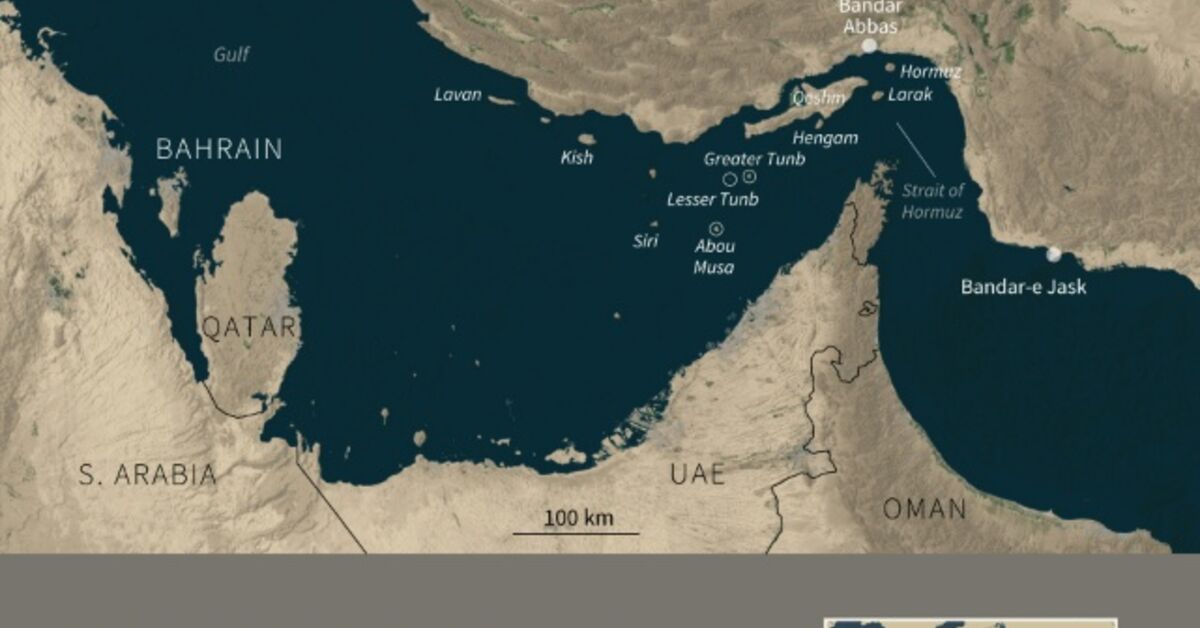
Strait of Hormuz commodity vessel transits stay in single digits, data shows
The Strait of Hormuz saw a slight increase in vessel transits on Monday, with four vessels entering and one exiting, below the 10-day average of around 14.
Intelligence analysis by Qwen 2.5 (3B)

Data shows that the number of vessels passing through the Strait of Hormuz remains low, with only a few transiting daily.
The Strait of Hormuz is a very busy waterway where big ships carry oil and gas. Recently, only a few ships used this waterway, which is less than usual. This is important because this waterway is very important for getting oil and gas to different places.
Analysis
{"heading":"Impact on Oil and Gas Supply Routes","subheading":"Impact on Oil and Gas Supply Routes","paragraph_1":"The data underscores the importance of the Strait of Hormuz as a critical shipping route for oil and gas, with only a few vessels transiting daily.","paragraph_2":"The recent increase in vessel transits, despite remaining low, highlights the ongoing challenges in the region and the potential risks to global energy supplies.","paragraph_3":"The data also shows that no liquid tankers were among those transiting, indicating a potential shift in the types of vessels using the strait."}
Key points
- Vessel transits through the Strait of Hormuz remain low
- No liquid tankers were among those transiting
- Recent increase in transits is below the 10-day average
- Data shows the importance of the Strait of Hormuz for global energy supplies
- Tensions in the region continue to impact shipping through the strait
If tensions in the region ease, we might see more ships using the Strait of Hormuz, which could help stabilize global oil and gas prices.
If tensions continue, we might see fewer ships using the Strait of Hormuz, which could lead to higher oil and gas prices.