Suppression of Protesters from July 9, 1999, to January 2026; How are Iran's Protests 'Contained'?
The article examines how the Islamic Republic has suppressed protests from the 1999 student uprising to the January 2026 demonstrations, highlighting the July 9, 1999 event as a key reference point for government tactics. It also discusses a reformist politician's controv…
Intelligence analysis by Gemini 2.5 Flash
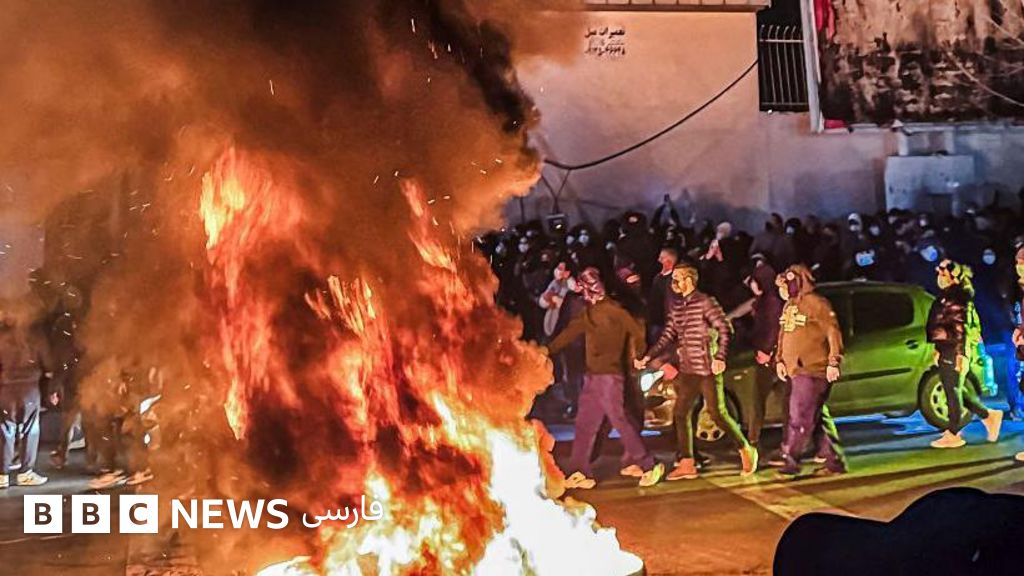
Iran's government consistently employs suppressive tactics against street protests, often labeling participants as foreign-backed "rioters." A recent audio leak from a reformist politician, Ali Shakourirad, challenged the official narrative of the January 2026 protests, suggesting the government might orchestrate violence, including "martyr-making" from its own forces, to legitimize i…
Imagine a big school where kids sometimes protest about rules. The principal always says outsiders are making trouble and uses strong security guards to stop them. One teacher, Mr. Shakourirad, secretly said that maybe the principal sometimes lets things get messy or even breaks some things himself, then blames the kids or outsiders, just to have a reason to be extra strict. The principal got very angry and put Mr. Shakourirad in detention for saying that.
Analysis
The Enduring Legacy of July 9, 1999
The July 9, 1999, attack on Tehran University's student dormitory, following protests against the closure of the reformist newspaper "Salam," stands as a pivotal moment in the Islamic Republic's history of confronting street demonstrations. This event, which saw police and plainclothes agents violently suppress students, established a template for state response that has been referenced and adapted in subsequent waves of unrest. From the Green Movement in 2009 to the "Woman, Life, Freedom" protests of 2022 and the recent January 2026 demonstrations, the government's approach has consistently drawn lessons from this initial large-scale suppression.
The article emphasizes that while specific tactics may have evolved, the core strategy of containment, often termed "gathering" or "collecting" protests in official discourse, remains rooted in the experiences of July 9. This historical precedent underscores the regime's long-standing commitment to quashing dissent through force, often with many aspects of the suppression remaining opaque to the public. The government's consistent labeling of protesters as "rioters" or foreign agents, as seen in the January 2026 events where Mossad and Israeli agents were blamed, further solidifies this established pattern of delegitimizing internal opposition.
The Controversial Claims of Ali Shakourirad
A significant development highlighted by the article is the leaked audio file of reformist political activist Ali Shakourirad, published in February 2026. Shakourirad, a former MP, directly challenged the official narrative surrounding the January 2026 protests, which attributed violence to foreign entities like Mossad and "operational teams" linked to Reza Pahlavi. His remarks suggested that many Iranians do not believe these foreign interference claims, implying a deeper, more unsettling truth about the government's methods.
More controversially, Shakourirad recalled the July 9, 1999 events and posited that the government might "inject violence and destruction," including setting fire to public places like mosques, to justify its crackdowns. He further cited an article from an IRGC-affiliated university journal, suggesting a tactic of "creating martyrs from one's own forces" – meaning Basij or police personnel – to legitimize the suppression of what the government deems "riots." This explosive claim, though not explicitly using the term "martyr-making" in the cited article but rather "creating a scapegoat (sacrificing some of one's own agents)," implies a calculated strategy of self-inflicted damage to garner public sympathy and justify harsh responses.
Official Denial and Judicial Retribution
President Masoud Pezeshkian swiftly responded to Shakourirad's allegations, publicly questioning the notion that the government would intentionally burn markets, mosques, or ambulances to manage society. This denial underscores the sensitivity and gravity of Shakourirad's claims, which directly undermine the state's narrative of maintaining public order against external threats. The government's official stance consistently frames its violent actions as necessary for national security, portraying protesters as tools of foreign adversaries.
The consequences for Shakourirad were immediate and severe. Following the audio leak, the Iranian judiciary accused him of "propaganda against the system," leading to his arrest and imprisonment in Fashafuyeh. Although he was later released due to illness, his detention serves as a stark reminder of the risks associated with challenging the state's official narrative, particularly concerning its handling of protests and the alleged involvement of foreign elements. The incident highlights the regime's intolerance for internal criticism that questions its fundamental methods of control and legitimacy.
Key points
- The July 9, 1999, student protests and their violent suppression serve as a foundational reference for the Islamic Republic's methods of containing dissent.
- Iran has experienced numerous protest waves since 1999, with the government consistently labeling protesters as "rioters" or foreign agents.
- Reformist politician Ali Shakourirad controversially claimed the government might orchestrate violence, including "sacrificing its own agents," to justify crackdowns.
- President Pezeshkian publicly denied Shakourirad's claims, questioning the idea of the government intentionally causing destruction.
- Shakourirad was arrested and imprisoned for "propaganda against the system" following the leak of his audio file, highlighting the risks of challenging official narratives.
The continued use of violent suppression tactics, coupled with the government's narrative of foreign interference and the silencing of internal critics like Ali Shakourirad, suggests a deepening cycle of state repression and public distrust. This approach risks further alienating the populace, potentially leading to more intense and frequent protests, and a more entrenched authoritarian response, making any peaceful resolution increasingly difficult.