Sweet, soft and playful: TikTok turns Japanese milk bread into UK's latest food craze
Japanese milk bread (shokupan) has gone viral on TikTok, helping drive a 617% surge in Waitrose searches and a 27% sales lift for milk buns over the past month.
Intelligence analysis by Llama
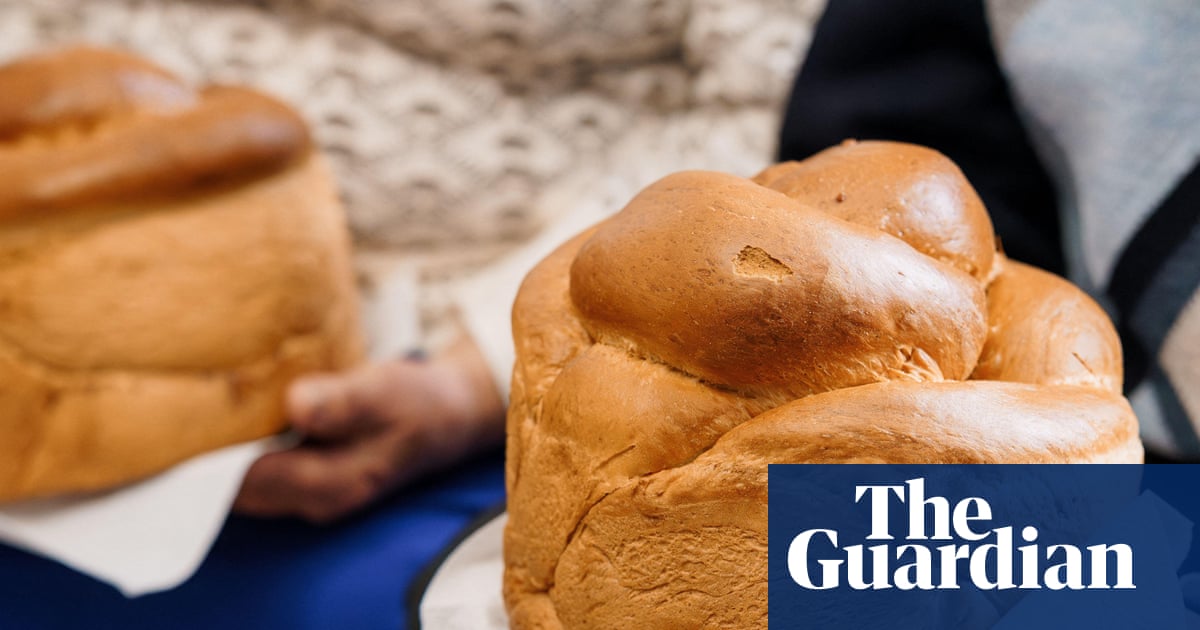
TikTok videos of pillowy Japanese milk buns have racked up millions of views, helping push the yeast bread into UK supermarkets and onto restaurant menus from London burger chains to a Scottish fine-dining spot.
Imagine a super-soft, sweet bread from Japan that people started sharing videos of on their phones. Because so many people watched the videos, the bread suddenly started selling like crazy at British supermarkets, with restaurants putting it on their menus too.
Analysis
617% Waitrose search spike
Waitrose reported that searches for "Japanese milk buns" on its website rose 617% over the past month, while sales climbed 27% in the same window. Emilie Wolfman, the supermarket's world foods product developer, called the crossover "one of the most exciting food trends we've seen cross over from social media into mainstream kitchens." The retailer also disclosed that sales of Miso Tasty ramen paste jumped 41% year-on-year, and Miso Tasty soup paste climbed 22%. These are not small increments; they are the kind of double- and triple-digit movements that product buyers notice when category mix shifts decisively inside a single reporting cycle. For an Economy reader, the data points matter because they translate social-media attention into measurable retail revenue without waiting for quarterly earnings.
Black Bear Burger and Bun House
The article identifies two London venues as engines of mainstream appetite for milk buns. Black Bear Burger, a London-based smash-burger chain, built its loyal following partly around serving patties and crispy fried chicken in soft milk buns. In Chinatown, Bun House showcases Cantonese-style baked milk buns with both savoury and sweet fillings. The interesting economic signal is that this is not a lone influencer's recipe going viral; it is an existing restaurant infrastructure that prepared the ground for the social-media wave. When independent operators scale viral formats into permanent menu items, the trend acquires durability that pure TikTok virality rarely delivers on its own.
Cardinal restaurant and the yudane technique
Outside London, Tomás Gormley, chef-patron of the Scottish fine-dining restaurant Cardinal, said milk buns have been on his menu since opening. His first pastry chef, Mia, developed a recipe the kitchen still uses, and Gormley credits the format's practicality: a couple of hours versus overnight ferments, plus lower butter content than brioche, which helps cost control on tasting menus. MasterChef winner Tim Anderson points to the yudane technique and gluten development as the key to milk bread's "unique combination of strength and softness." The economic relevance is that chef-driven adoption in fine-dining settings lends the trend credibility, while lower ingredient costs compared with brioche suggest fatter margins for operators that standardise the recipe.
Key points
- Waitrose reports a 617% surge in "Japanese milk buns" searches and a 27% sales rise over the past month
- Sales of Miso Tasty ramen paste are up 41% year-on-year at Waitrose, with soup paste up 22%
- London venues Black Bear Burger and Chinatown's Bun House have helped push milk buns into mainstream menus
- Scottish fine-dining restaurant Cardinal has kept milk buns on its menu since opening, citing speed and lower butter costs than brioche
- Tim Anderson points to the yudane technique and gluten development as the key to milk bread's signature texture
If the trend holds, it could broaden the British market for Japanese pantry staples such as miso paste and soy-based ingredients, lifting category sales well beyond a single viral SKU. Chef-led adoption at both casual chains and fine-dining rooms also gives the format durability that pure TikTok virality rarely achieves on its own.
TikTok-driven food trends typically burn out within months, and the 617% search spike at Waitrose is calculated off a small base, leaving room for sharp normalisation. If novelty fades before bakeries standardise recipes and supply chains adjust, the sales lift could revert to baseline by the next reporting cycle.