Taliban Bans Shia TV Channel Over Alleged Party Activities
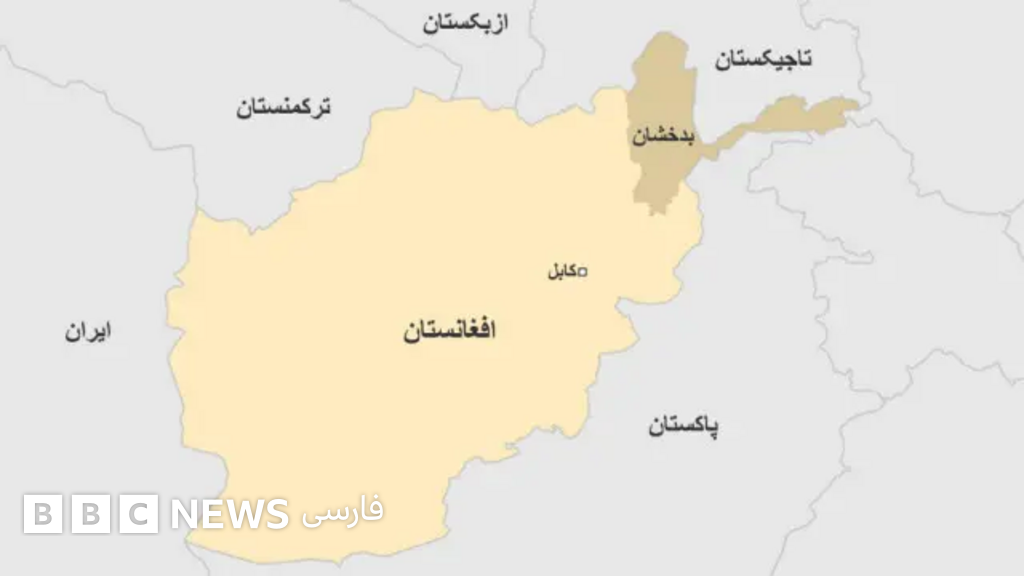
The Taliban has banned a Shia TV channel in Afghanistan due to alleged party activities. The channel, Tamadon, was shut down for violating Afghan laws that prohibit party activities.
Intelligence analysis by Llama 3.3 70B
The Taliban has banned a Shia TV channel, Tamadon, for alleged party activities, citing Afghan laws that prohibit such activities. The channel's owner claims the institution is purely religious and has no connection to political entities.
The Taliban has shut down a TV channel in Afghanistan because they think it's connected to a political party. This means that people in Afghanistan won't be able to watch this channel anymore, and it's a big deal because it shows how the Taliban is trying to control what people can and can't do.
Analysis
Taliban's Media Restrictions
The Taliban's ban on the Shia TV channel, Tamadon, is part of a broader effort to restrict freedom of expression in Afghanistan. The Taliban has been criticized for its strict interpretation of Islamic law, which has led to the suppression of minority rights and freedoms. The ban on Tamadon is a significant development, as it highlights the Taliban's willingness to restrict access to information and impose their ideology on the population.
The Taliban's restrictions on media outlets have been a major concern for human rights organizations and journalists. The Taliban has been known to target journalists and media outlets that criticize their rule or promote alternative viewpoints. The ban on Tamadon is a clear example of the Taliban's efforts to silence dissenting voices and restrict access to information.
Impact on Shia Community
The ban on Tamadon has significant implications for the Shia community in Afghanistan. The channel was one of the few Shia-owned media outlets in the country, and its closure will likely have a major impact on the community's access to information and entertainment. The Shia community in Afghanistan has faced significant challenges under Taliban rule, including discrimination and violence.
The ban on Tamadon is a clear example of the Taliban's efforts to restrict the rights of minority groups in Afghanistan. The Taliban has been criticized for its treatment of minority groups, including Shias, Hazaras, and other ethnic and religious minorities. The ban on Tamadon is a significant development, as it highlights the Taliban's willingness to restrict the rights of minority groups and impose their ideology on the population.
Regional Implications
The ban on Tamadon has significant implications for the region. The Taliban's efforts to restrict freedom of expression and impose their ideology on the population will likely have a major impact on regional stability. The ban on Tamadon is a clear example of the Taliban's efforts to export their ideology to other countries in the region, including Iran.
The Taliban's restrictions on media outlets have been a major concern for regional leaders, including Iran. The Iranian government has been critical of the Taliban's human rights record and has called for greater protections for minority groups in Afghanistan. The ban on Tamadon is a significant development, as it highlights the Taliban's willingness to restrict access to information and impose their ideology on the population.
Key points
- The Taliban has banned a Shia TV channel in Afghanistan
- The ban is due to alleged party activities
- The channel's owner claims it is purely religious and has no connection to political entities
The international community may put pressure on the Taliban to reverse the ban and respect freedom of expression. This could lead to greater protections for minority groups and a more open media environment in Afghanistan.
The ban on Tamadon may be a sign of further restrictions on freedom of expression in Afghanistan, leading to a more closed and repressive media environment. This could have significant implications for regional stability and the rights of minority groups.