Taxi drivers urge council to agree 8% fare hike
Taxi drivers in North Tyneside are requesting an 8% fare increase to offset rising fuel prices and the cost of living, a proposal that has raised concerns among local councillors regarding the impact on residents.
Intelligence analysis by Gemini 2.5 Flash
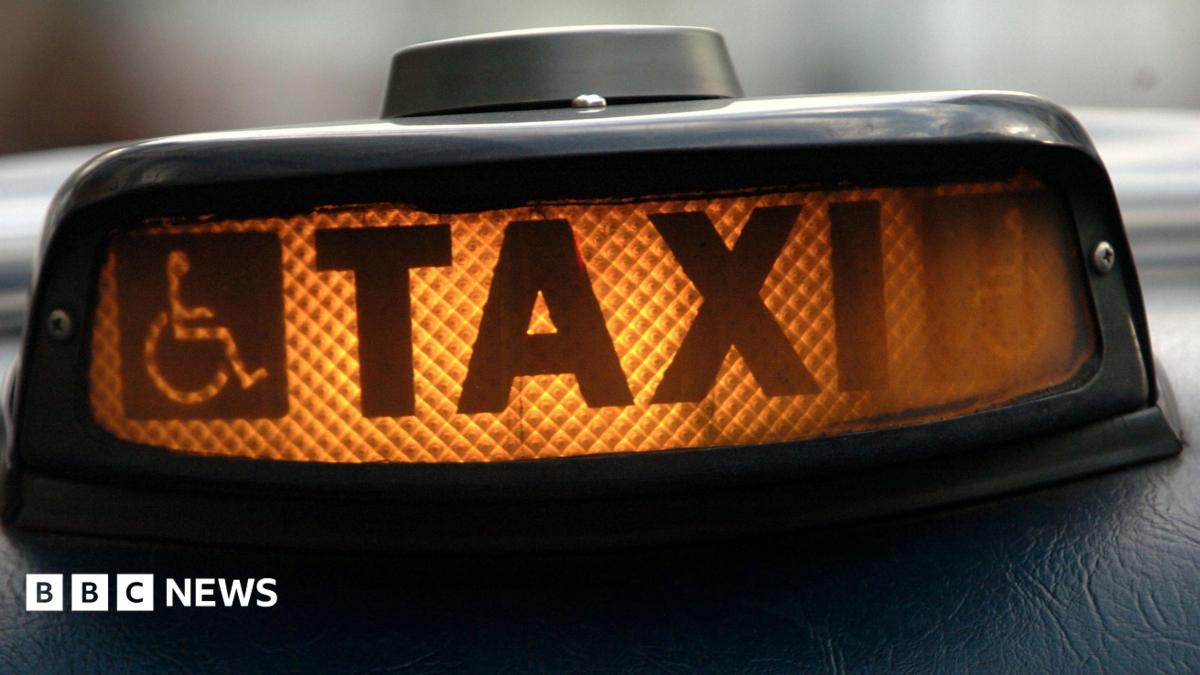
The North Tyneside Hackney Carriage Association is pushing for an 8% hike in taxi fares, citing soaring operational costs and the general cost of living crisis affecting drivers. However, the proposal faces resistance from Labour councillors who advocate for a more balanced approach, acknowledging residents' struggles with similar economic pressures.
Imagine your local taxi drivers are like people who run a small lemonade stand. The lemons, sugar, and cups they buy have gotten much more expensive. So, they're asking the town council if they can charge a little more for each cup of lemonade, maybe 8% more, so they can still make enough money to keep their stand open. But some grown-ups on the council worry that if lemonade gets too expensive, some people, especially older folks, might not be able to afford it anymore, even though they understand why the drivers need more money.
Analysis
The proposed 8% increase in taxi fares in North Tyneside underscores the pervasive impact of inflation on local service industries. Taxi drivers, represented by the North Tyneside Hackney Carriage Association (NTHCA), are directly experiencing the pinch of elevated fuel prices and the increased cost of vehicle parts, which are essential for their livelihood. This request is a direct response to these economic pressures, aiming to ensure the sustainability of their profession amidst a challenging financial landscape.
8%
The proposed 8% fare hike is presented by the NTHCA as a necessary measure to help drivers combat the significant rise in their operational expenses and the broader cost of living. This increase would translate to an average cost per mile of £5.52 for a three-mile journey, specifically applying to hackney carriages that can be hailed directly. The rationale behind this specific percentage reflects an attempt to quantify the financial strain on drivers, aiming to provide a tangible uplift in their earnings to match their escalating costs.
Beyond the base fare, the NTHCA has also suggested increases for ancillary charges, such as fines for car theft, moving from £125 to £130, and charges for transporting animals (excluding service dogs), rising from £3 to £4. These additional adjustments further illustrate the comprehensive nature of the drivers' request, seeking to address various aspects of their financial burden. The cumulative effect of these proposed changes is intended to provide a more robust financial footing for taxi operators in the region.
North Tyneside
The local context of North Tyneside is crucial to understanding the complexities of this fare proposal. While drivers face rising costs, the council must also consider the economic realities of its residents, many of whom are also grappling with the cost of living crisis. This creates a delicate balancing act for local authorities, who are tasked with supporting local businesses and workers while simultaneously protecting the interests and affordability for the community they serve.
Concerns have been particularly voiced regarding the potential impact on North Tyneside's elderly residents, who often rely on taxis for essential transportation. Any significant increase in fares could disproportionately affect vulnerable populations, potentially limiting their access to vital services and social activities. The council's decision will therefore reflect a broader policy challenge of managing inflationary pressures within a local economy, ensuring that necessary services remain accessible to all segments of the population.
John O'Shea
Labour councillor John O'Shea has emerged as a key voice of caution regarding the proposed 8% fare increase. He has expressed a desire to explore a more "balanced arrangement" rather than simply approving the suggested hike, emphasizing that residents in North Tyneside are also "suffering as well with the cost of living." His stance highlights the political and social dimensions of economic decisions at the local level, where the needs of different community groups must be carefully weighed.
O'Shea acknowledges the legitimate struggles faced by the taxi trade, noting their "significant uplifts in fuel and insurance and things like that." However, his primary concern is to ensure that any solution does not unduly burden the wider community. His suggestion to the director of public health to seek a more balanced approach indicates a preference for a compromise that might mitigate the financial impact on residents while still offering some relief to drivers, reflecting a common challenge in local governance during periods of economic strain.
Key points
- North Tyneside taxi drivers are requesting an 8% fare increase for hackney carriages.
- The North Tyneside Hackney Carriage Association cites rising fuel prices, vehicle parts costs, and the general cost of living as reasons.
- Labour councillor John O'Shea expressed concerns, advocating for a "balanced arrangement" due to residents' own cost of living struggles.
- Proposed additional charges include increases for car theft fines and animal transport (excluding service dogs).
- The proposals will be made public for 14 days, open to objections, pending approval from the director of public health.
If the council approves a fare increase, it could provide much-needed financial relief for taxi drivers, helping them cover rising operational costs and maintain their livelihoods. This could ensure the continued availability of taxi services for residents, preventing a potential reduction in service quality or driver numbers due to economic hardship.
Should the fare hike be implemented, it could place an additional financial burden on North Tyneside residents, particularly the elderly and those already struggling with the cost of living. This might lead to reduced demand for taxi services, potentially impacting drivers' overall income despite the higher fares, and could limit essential transportation options for some community members.