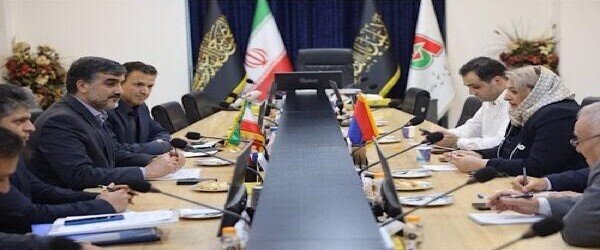
Tehran, Islamabad place emphasis on developing direct trade, increasing trade exchanges
Iran and Pakistan aim to boost direct trade and economic cooperation. Discussions focused on improving transportation, customs, and joint investments.
Intelligence analysis by Gemini 2.5 Flash Lite
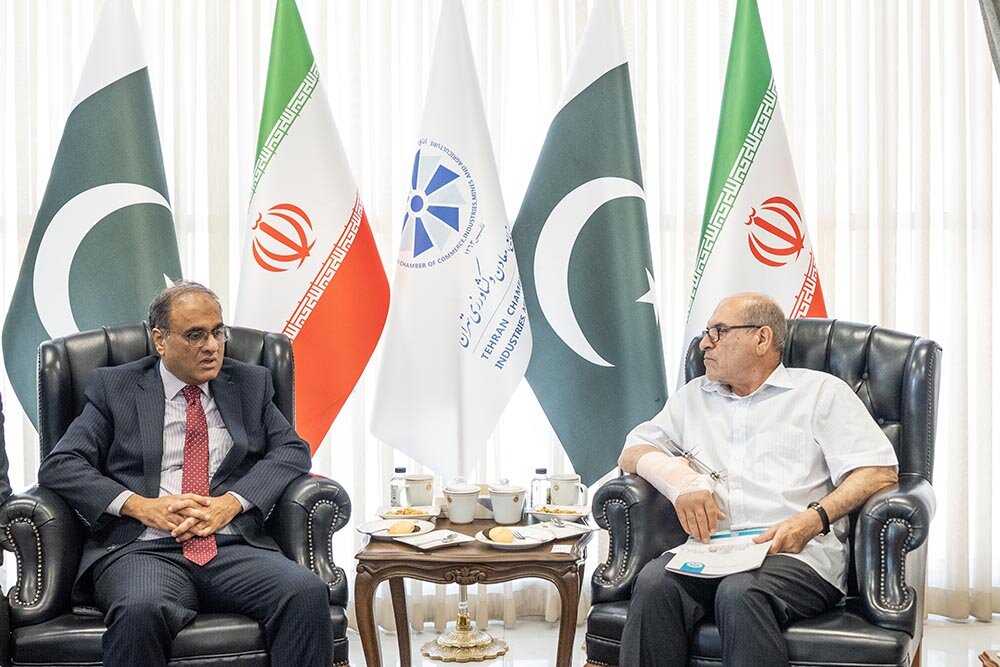
Pakistan's Ambassador to Iran and the Tehran Chamber of Commerce met to enhance bilateral trade. Key areas of focus include developing direct trade routes, strengthening transportation infrastructure, simplifying customs procedures, and encouraging joint investments, particularly by leveraging the private sector and border trade potential.
Imagine Iran and Pakistan are like two neighbors who want to trade toys more easily. Right now, they send toys through another friend's house, which takes longer and costs more. They want to build a direct path between their houses to trade toys faster and cheaper, and they're talking about how to make the roads and rules better for this.
Analysis
Enhancing Direct Trade Routes
The meeting between Pakistan's Ambassador to Iran, Imran Ahmed Siddiqui, and Mahmoud Najafi Arab, Head of the Tehran Chamber of Commerce, underscored a mutual desire to significantly increase bilateral trade. Siddiqui highlighted that a portion of current indirect trade could be shifted to direct channels, which would reduce costs and foster stronger economic cooperation. This focus on direct trade is crucial for both nations, aiming to streamline the flow of goods and services and build a more robust economic partnership.
Strengthening Infrastructure and Private Sector Engagement
Both sides emphasized the importance of developing joint investments and facilitating the exchange of trade delegations. The active participation of Iranian companies in Pakistani exhibitions was seen as a vital step for expanding interactions, understanding consumer preferences, and building trust. Chambers of commerce were identified as key platforms for this engagement. Furthermore, strengthening transportation infrastructure and border trade was deemed essential, especially given current restrictions in southern ports, pushing for more effective utilization of the extensive common border.
Addressing Trade Barriers and Facilitating Commerce
Mahmoud Najafi Arab pointed out that despite long-standing relations, the volume of direct trade is not yet favorable. He stressed the need to resolve existing problems in border trade, simplify customs procedures, and address logistical challenges, including the accumulation of Iranian goods at Pakistani ports. Discussions also touched upon the necessity of pursuing free trade agreements, along with customs and tariff facilities, and resolving banking and transportation issues. These measures are considered prerequisites for expanding bilateral trade and witnessing a substantial increase in imports and exports.
Key points
- Iran and Pakistan aim to boost direct trade and economic cooperation.
- Discussions focused on improving transportation infrastructure and border trade.
- Facilitating customs procedures and joint investments were key topics.
- The private sector and chambers of commerce are seen as crucial for enhancing trade.
- Addressing logistical issues, such as goods accumulation at ports, is a priority.
If successful, these efforts could lead to a significant increase in trade volume between Iran and Pakistan, reducing costs for businesses and consumers. Enhanced cooperation in sectors like food, pharmaceuticals, and agriculture could boost economic growth for both nations and improve prosperity in border regions.
Challenges in resolving customs, banking, and transportation bottlenecks could hinder progress, leaving trade volumes stagnant. Geopolitical factors or internal policy shifts in either country might also impede the development of direct trade and joint investments.