Terror in Berlin: Attacker was Salafist and noticeable in school
Berlin's Interior Senator Iris Spranger stated that the Islamist attacker, Abdul B., had been known to the authorities since November 2021. He was observed and monitored, but no concrete evidence was found to justify preventive detention or electronic tagging. The police …
Intelligence analysis by Llama
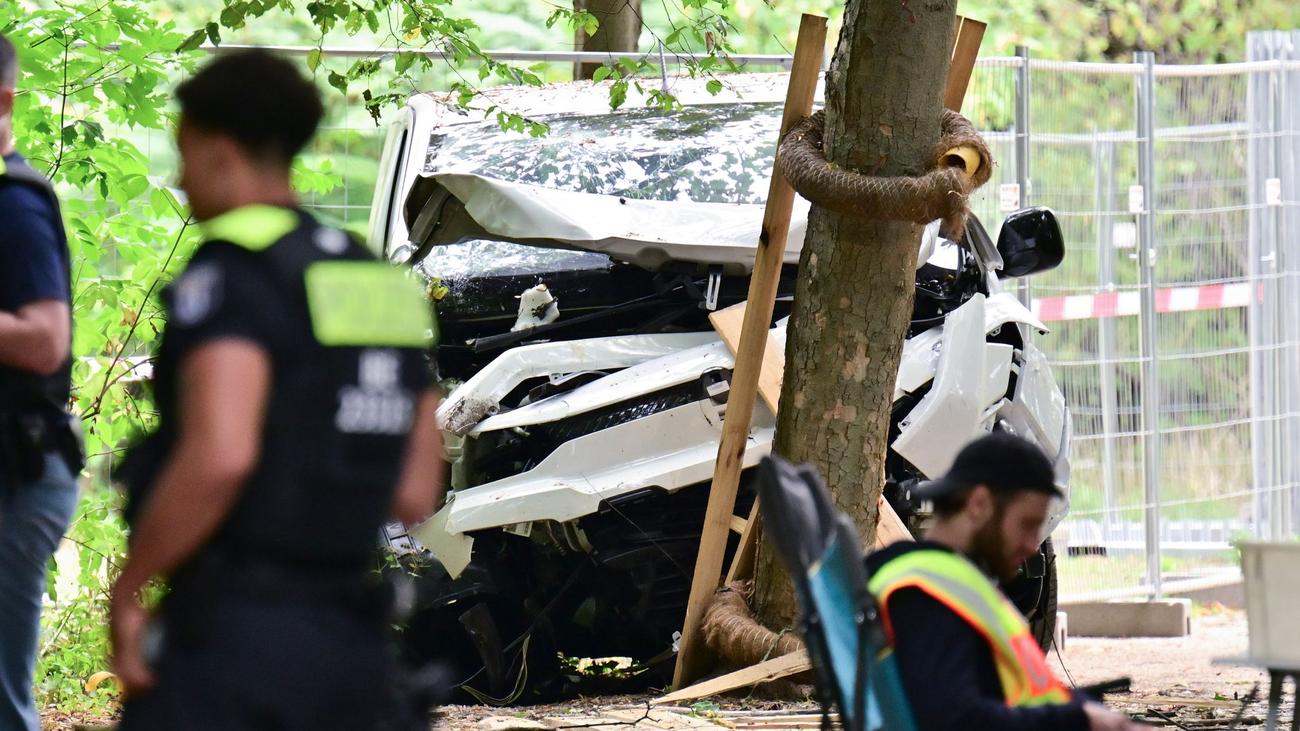
The Berlin police had identified Abdul B. as a high-risk individual in May, but no further action was taken. He was monitored and observed, but no concrete evidence was found to justify preventive detention or electronic tagging.
Imagine you're trying to catch a bad guy, but you can't find any evidence to prove he's going to do something bad. That's what happened with Abdul B., the guy who attacked people in Berlin. The police knew he was a risk, but they couldn't find any proof to stop him.
Analysis
A History of Radicalization
Abdul B., the 21-year-old Islamist attacker, had been known to the authorities since November 2021. He was identified as a high-risk individual in May, but no further action was taken. The police had observed and monitored him, but no concrete evidence was found to justify preventive detention or electronic tagging.
A Pattern of Aggressive Behavior
Abdul B. had a history of aggressive behavior, dating back to his school days. He was known to be difficult to manage, and his parents did not cooperate with the teachers. He was eventually expelled from school without a diploma.
The Failure of Surveillance
The police had identified Abdul B. as a high-risk individual, but they did not take any concrete action to prevent the attack. They monitored and observed him, but no evidence was found to justify preventive detention or electronic tagging. This raises questions about the effectiveness of surveillance in preventing terrorist attacks.
Key points
- Abdul B. was known to the authorities since November 2021
- He was identified as a high-risk individual in May, but no further action was taken
- The police monitored and observed him, but no concrete evidence was found to justify preventive detention or electronic tagging
- Abdul B. had a history of aggressive behavior, dating back to his school days
- He was eventually expelled from school without a diploma
If the authorities had taken more concrete action to prevent the attack, it's possible that the outcome could have been different. However, it's also possible that the attacker would have found other ways to carry out the attack.
The failure of surveillance and monitoring in this case highlights the challenges faced by law enforcement agencies in preventing terrorist attacks. It's possible that the attacker would have found other ways to carry out the attack, even if the authorities had taken more concrete action.