Thames Water creditors seek talks with Burnham as nationalisation looms
Thames Water creditors, a consortium of 100 institutional investors, are seeking talks with new Prime Minister Andy Burnham as nationalisation looms. The group is open to government involvement but not to public ownership.
Intelligence analysis by Llama
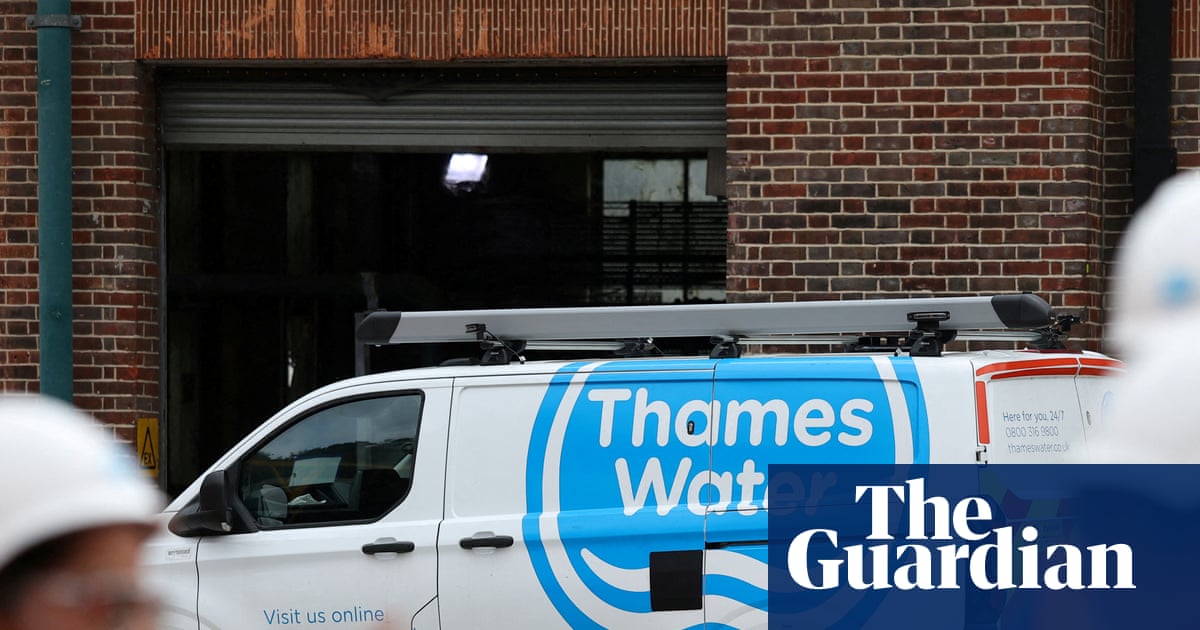
Thames Water creditors are preparing for a potential legal battle as nationalisation looms. They are open to government involvement but not to public ownership.
Imagine a big water company that serves 16 million people in London and the Thames valley. The company is in trouble because it has too much debt. Some people who lent the company money want to help it get better, but the government might take control of the company instead. This could be good for the people who use the water, but it's also a big risk for the company and its investors.
Analysis
A $60B Vote of Confidence
Thames Water, Britain's biggest water company, is facing a potential nationalisation as new Prime Minister Andy Burnham considers transferring the company into a special administration regime (SAR). The SAR proposal would transfer the costs of running the company to the taxpayer, with Thames Water's creditors claiming the bill could come to £2bn. This move would give the government greater control over the company's operations and would allow it to fix the company and secure the water supply for thousands of families and businesses.
Why Cursor?
The consortium of 100 institutional investors, London & Valley Water (L&VW), has said it is open to government involvement but not to public ownership. The group has hired top litigation and disputes firm Pallas Partners to work alongside Akin Gump, the law firm advising the consortium on the terms of their restructuring proposals. This move is a precautionary measure as the creditors are assessing all potential routes that the situation regarding Thames Water may play out.
The Road Ahead
The future of Thames Water will be one of the most pressing issues in Burnham's in-tray when he enters Downing Street. The company's creditors are trying to pursue a solvent restructuring, which would avoid a taxpayer-funded administration process and help creditors recover as much as possible. However, the government's concerns about the terms of the deal have thrown the creditors' plans into doubt. The situation is complex, and the outcome is uncertain.
Key points
- Thames Water creditors are seeking talks with new Prime Minister Andy Burnham as nationalisation looms.
- The group is open to government involvement but not to public ownership.
- The SAR proposal would transfer the costs of running the company to the taxpayer, with Thames Water's creditors claiming the bill could come to £2bn.
- The government's concerns about the terms of the deal have thrown the creditors' plans into doubt.
- The situation is complex, and the outcome is uncertain.
If the government takes control of Thames Water, it could fix the company and secure the water supply for thousands of families and businesses. This could also lead to greater public control of the company's operations, which could be beneficial for the people who use the water.
The nationalisation of Thames Water could lead to a multi-billion pound legal battle, which could be costly for the taxpayers. It could also slow down the company's recovery and make it harder for the creditors to recover their money.