After fixing its engine problems, Rolls-Royce is turning to its next big challenge
Rolls-Royce says it has mostly fixed its Trent engine problems and is now seeking support for a push into narrowbody jet engines.
Intelligence analysis by GPT-5.4 Mini
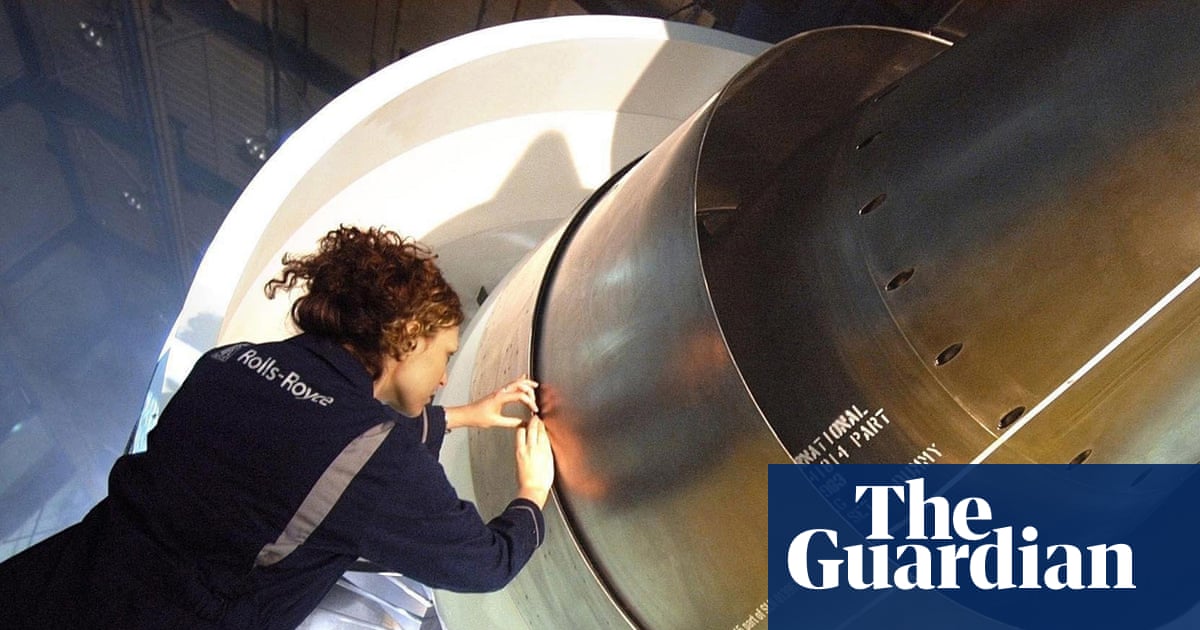
The company has shifted from crisis management to growth, with stronger profits, a higher share price and a plan to expand beyond its core widebody engine business. But it still has to convince airlines and government that the turnaround is durable.
Rolls-Royce had engines that kept needing repairs, like a car that keeps going back to the garage. It says those fixes are now mostly done, and it wants to build a bigger new engine business with help from the government.
Analysis
From Firefighting to Factory Control
Rolls-Royce is presenting itself as a company that has moved beyond the worst of its engine durability problems. The article describes a long repair effort around Trent engines, including new blades and expanded maintenance capacity, as part of a wider push to make the fleet more reliable.
That matters because the previous problems were not just technical glitches. They damaged customer trust, drove disputes with airlines and weighed on the company's shares. The turnaround is now visible in the numbers the article cites, with 2025 underlying profits up sharply and the share price far above where it stood a few years ago.
Why Narrowbody Is the Real Prize
The next challenge is not simply to protect the recovery in widebody engines. Rolls-Royce is trying to win backing for a return to the narrowbody market, which is much bigger and more strategic than the company’s current focus on larger twin-aisle aircraft.
That shift raises the stakes for everything the company has done to repair its reputation. Airlines will not judge the brand only by promised growth; they will look for proof that the fixes are durable and that the company can support customers without repeating the past. The article makes clear that management sees product reliability and manufacturing capacity as prerequisites for any serious expansion.
The Politics of Trust and Power
The story also shows how industrial recovery now intersects with policy. Rolls-Royce is seeking UK government support as it looks to re-enter the market, which suggests the company wants more than internal execution to make the move work.
There is also a bargaining problem with airline customers. The article says carriers want to know why they should not share more of the profits after years of pain, while Rolls-Royce argues that both sides had to invest to fix the problem. That tension matters because the company's next phase depends as much on trust and commercial terms as on engineering skill.
Key points
- Rolls-Royce says it is close to finishing a major fix for its Trent engine blade problems.
- The company has boosted profits and seen its share price rise sharply after years of trouble.
- It is now looking for UK government support as it tries to re-enter the narrowbody jet engine market.
- Airlines are still focused on reliability, cost and whether the company should share more of its recovery gains.
- The story links engineering recovery with investor confidence and industrial policy.
If the fixes hold, Rolls-Royce can spend less time firefighting and more time growing. Success in narrowbody engines could open a much larger market and build on the stronger profits and share price the article describes.
Airlines may stay skeptical if they think the company is asking them to trust it too soon after years of disruption. The narrowbody push could also stall if certification, customer concerns or the need to share more of the gains slows the rollout.