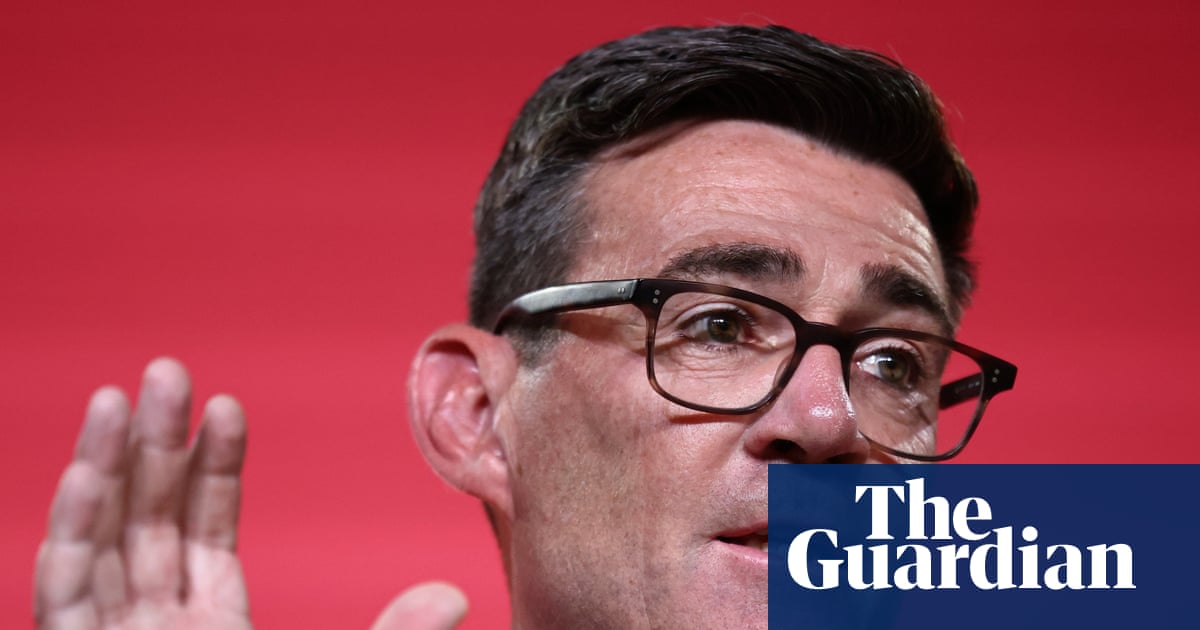
Fifa gives fraud ‘an open door’ with betting, says Council of Europe chief
The Council of Europe's secretary general has criticized FIFA, stating the organization has created an "open door to fraud" by allowing extensive betting on World Cup matches and political influence to undermine integrity.
Intelligence analysis by Gemini 2.5 Flash Lite
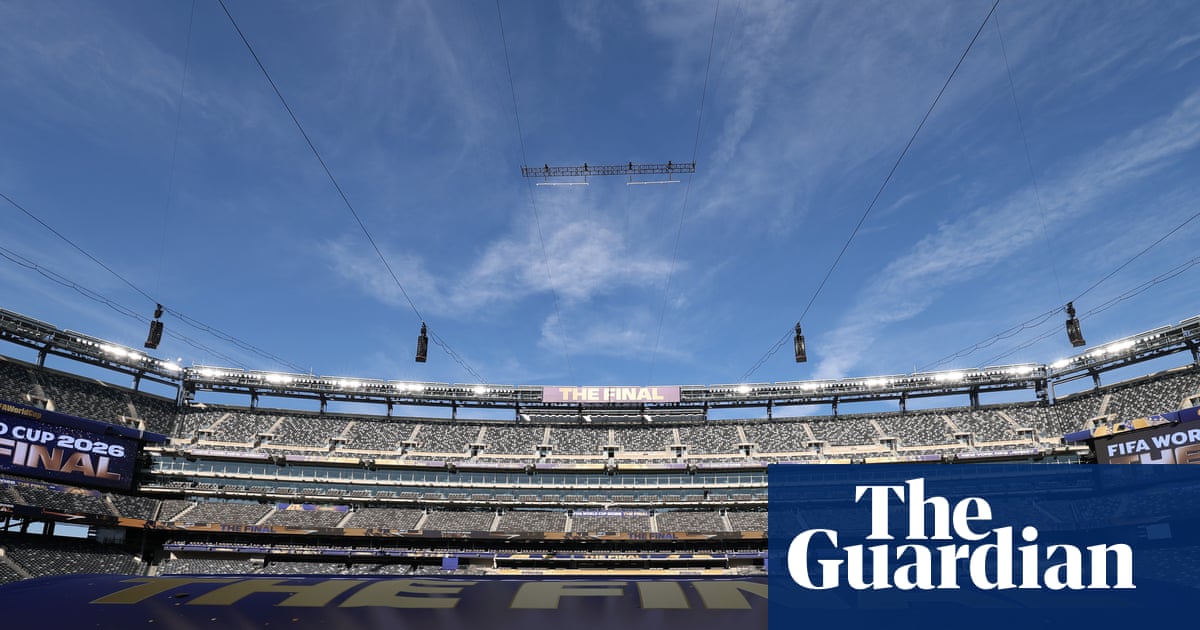
Alain Berset, Secretary General of the Council of Europe, has issued a strong rebuke to FIFA, accusing the organization of facilitating fraud through its embrace of betting on minute game events and succumbing to political pressure, thereby compromising the integrity of the World Cup. He calls for a new integrity framework before the 2030 tournament.
Imagine a big soccer tournament where people can bet on who wins. Now, imagine they can also bet on tiny things, like if a player will pass the ball exactly 5 times or if a corner kick will happen. The person in charge of fairness says this is like leaving the door wide open for cheating because it's easier to cheat when there are so many small bets. They also said that sometimes, powerful people can change the rules, making everyone doubt if the game is fair.
Analysis
Betting's Expanding Reach
The Council of Europe's chief, Alain Berset, has directly challenged FIFA's integrity, particularly concerning the proliferation of betting markets tied to the World Cup. Berset argues that FIFA's partnership with prediction market company ADI Predictstreet, which allows bets on micro-events like individual passes or corners, has moved beyond traditional match outcomes. This expansion, he contends, creates an "open door to fraud" because the potential for manipulation increases when numerous small-scale events can be bet upon, potentially without altering the overall game result. This shift in betting focus, from the final score to granular in-game actions, raises alarms about the ease with which illicit activities could be concealed within the vast number of betting opportunities.
Political Influence and Rule Bending
Beyond betting, Berset also pointed to instances where political pressure appears to have influenced FIFA's decisions, citing the case of Folarin Balogun's suspended ban. The swift reversal of the sanction, reportedly after a call from US President Donald Trump to FIFA President Gianni Infantino, has led Berset to state that "When the rules bend under pressure, every result is open to doubt." This suggests a perception that FIFA's disciplinary processes are not independent and are susceptible to external political interference. Such susceptibility erodes trust in the fairness of competitions and raises questions about the true authority of FIFA's regulations, especially when major political figures are involved.
A Call for Urgent Reform
In light of these concerns, Berset has called for immediate action, proposing a "working dialogue" to establish a robust integrity framework for future World Cups, starting with the 2030 tournament largely hosted in Europe. He draws parallels to the Council of Europe's historical role in creating binding treaties for fan safety and combating doping and match-fixing. This initiative underscores the urgency felt by European bodies regarding FIFA's governance. The criticism also follows a letter from 72 Members of the European Parliament questioning Infantino's conduct, particularly regarding the Balogun case and the awarding of a peace prize to Trump, further amplifying the pressure on FIFA to address its ethical and governance shortcomings.
Key points
- Council of Europe Secretary General Alain Berset criticizes FIFA's integrity, citing an "open door to fraud" through extensive betting on World Cup matches.
- Berset alleges political influence, referencing the Balogun ban suspension, suggesting rules bend under pressure.
- He calls for a new integrity framework before the 2030 World Cup, emphasizing the need to strengthen sport's ethical standards.
- FIFA's partnership with prediction market company ADI Predictstreet is highlighted as a key concern for facilitating betting on micro-events.
- The criticism follows similar concerns raised by Members of the European Parliament regarding FIFA's governance and President Infantino's conduct.
The strong criticism from the Council of Europe could catalyze much-needed reforms within FIFA, leading to a more transparent and robust integrity framework. This might involve stricter regulations on betting partnerships and clearer protocols for disciplinary actions, ultimately enhancing trust in major international sporting events.
If FIFA fails to adequately address the concerns raised regarding betting and political influence, it risks further eroding its credibility and the integrity of its competitions. This could lead to increased scrutiny from regulatory bodies and a decline in public trust, potentially impacting the economic viability of future events.