‘Good growth in every postcode’: Burnham’s economic to-do list in seven charts
New Prime Minister Andy Burnham faces significant economic challenges, including weak growth, regional divisions, and a cost of living crisis, as he pledges to deliver "good growth in every postcode" through reindustrialisation and devolution.
Intelligence analysis by Gemini 2.5 Flash

The article outlines the ambitious economic agenda of incoming Prime Minister Andy Burnham, focusing on his plans for reindustrialisation, extensive devolution of power, and immediate measures to address the cost of living crisis. It highlights the complexities and headwinds facing these priorities, from public finance pressures to expert warnings about the feasibility of certain stra…
Imagine the new boss, Andy, wants to make sure everyone in the country has a good chance to get a job and earn money, not just people in big cities. He plans to help factories make more things again and let local towns decide more for themselves, like how they spend money. He also wants to help families struggling to pay for things like electricity and food, especially since prices have gone up a lot. It's like trying to make sure every part of a big garden gets enough sunshine and water to grow well, not just the middle.
Analysis
Reimagining Industrial Strategy
Andy Burnham's economic agenda places a strong emphasis on a strengthened industrial strategy, aiming to foster growth beyond London and the south-east. This involves a concerted effort to safeguard sovereign manufacturing capabilities in critical sectors such as steel, defence, energy, food, and farming. The strategy is partly a political move, seeking to appeal to communities affected by deindustrialisation and win back Labour voters who might consider supporting Reform UK.
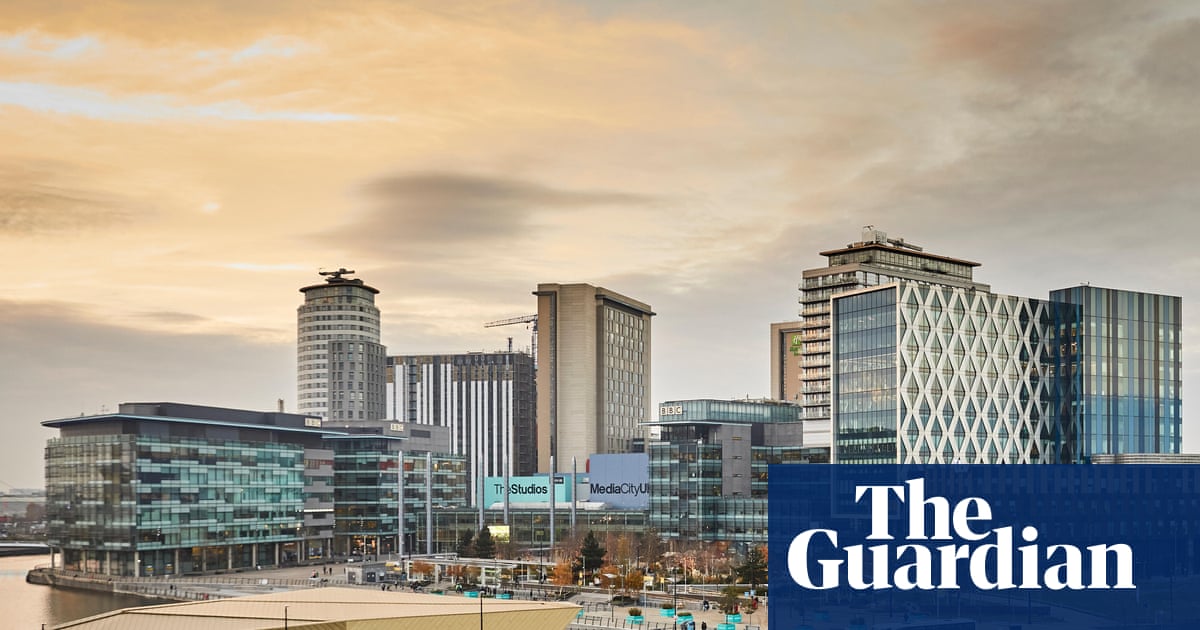
However, the path is fraught with challenges. Britain's industrial base has shrunk dramatically since 1979, and some experts caution against an overreliance on past industrial models, suggesting the UK's comparative advantages now lie predominantly in service sector activities. High energy costs and intense competition from low-cost manufacturing hubs in Asia present significant headwinds, making a large-scale reindustrialisation effort complex. While Burnham draws inspiration from Manchester's economic revival, analysts point out that the city's success has been driven by private investment in knowledge-intensive business services, rather than a return to traditional manufacturing.
The Promise and Peril of Devolution
Central to Burnham's vision is a radical rebalancing of power, aiming to make Britain, currently the most centralised G7 country, more economically equitable. He has pledged the "biggest rebalancing of power the country has ever seen," including establishing a new No 10 hub in Manchester and devolving powers, potentially including tax authority, to regional leaders. This approach aligns with recommendations from the Organisation for Economic Cooperation and Development (OECD), which suggests that devolution could significantly boost the UK economy by enhancing productivity in underperforming regions through a coherent alignment of skills policy, infrastructure, innovation, finance, and governance.
Despite the potential benefits, devolution is not a guaranteed path to stronger growth. Critics warn that while it allows for tailored local responses, it could also introduce inefficiencies if not managed carefully. Furthermore, successful devolution will require substantial financial firepower, which may be difficult to secure given existing pressures on public finances. Local governments, having endured over a decade of deep cuts, also face capacity issues, and the complex process of restructuring power will inevitably take considerable time to implement effectively.
Tackling the Cost of Living and Youth Unemployment
Burnham has committed to providing immediate "breathing space" for families grappling with the cost of living crisis, with expectations of a financial support package within weeks. This comes against a backdrop of soaring energy costs, driven by geopolitical conflicts in Ukraine and the Middle East, and inflation persistently above the Bank of England's 2% target for five years. Real wage growth has stalled for over a decade, and household incomes have recently fallen for the first time in modern history, prompting warnings from the Joseph Rowntree Foundation of further declines without policy intervention.
Some Labour insiders believe Burnham has a degree of flexibility, noting that the Iran war's economic impact has been less severe than initially feared, and the recent energy price cap increase was smaller and occurred during lower consumption summer months. However, prices remain significantly higher than pre-pandemic levels, leading to calls for more radical measures. Potential policy options include an affordable energy guarantee, rent controls, cheap bus fares, expanded free school meals, and greater public control over key utilities. Concurrently, youth unemployment has risen to post-pandemic highs, exacerbated by the Iran war, elevated interest rates, the cost of living crisis, and business leaders' concerns over tax increases, signaling a longer-term shift in youth employment trends.
Key points
- New Prime Minister Andy Burnham aims for "good growth in every postcode" by addressing weak growth, underinvestment, and regional divisions.
- His agenda includes a strengthened industrial strategy to safeguard manufacturing in critical sectors, despite warnings about the UK's service-sector comparative advantage.
- Burnham plans significant devolution of power, including tax authority, to regional leaders, with the OECD suggesting this could boost overall UK productivity.
- Immediate priorities include tackling the cost of living crisis with financial support and considering measures like an affordable energy guarantee and public control over utilities.
- The economy faces challenges from high energy costs, persistent inflation, falling real wages, and rising youth unemployment, exacerbated by geopolitical events and interest rates.
If Burnham's policies succeed, the UK could see more balanced economic growth across its regions, reducing deep-seated inequalities. A revitalised industrial base and empowered local communities could lead to increased productivity and job creation, while targeted support measures could alleviate the cost of living crisis for struggling families.
The ambitious plans face significant headwinds, including strained public finances and potential inefficiencies from rapid devolution. Experts warn that focusing on past industrial models might not suit a modern economy, and high energy costs and global competition could undermine reindustrialisation efforts, potentially leading to unmet expectations and continued economic stagnation.