Bank of England to stop accepting bonds linked to coal for key loans
The Bank of England has announced it will no longer accept bonds linked to thermal coal for key loan arrangements, a move that campaigners hope will force commercial banks to rethink holding assets linked to the fossil fuel.
Intelligence analysis by Llama
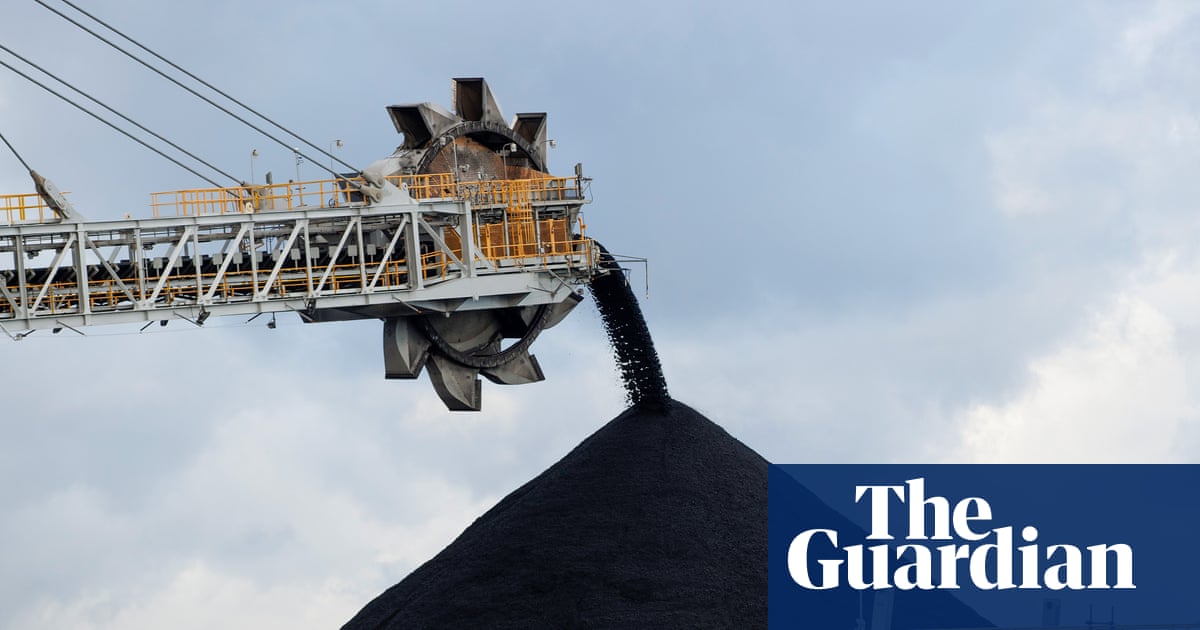
The Bank of England's move suggests bonds linked to thermal coal are now too risky to sit on its balance sheet, as an international shift away from dirty fossil fuels towards greener energy could end up wiping out their value.
The Bank of England is stopping banks from using special bonds linked to coal because it's worried that coal might become worthless as people switch to cleaner energy. This means banks will have to think twice before investing in coal-related projects.
Analysis
A Shift Away from Thermal Coal
The Bank of England's decision to stop accepting bonds linked to thermal coal for key loan arrangements marks a significant shift in its approach to climate risk. The move suggests that the bank believes bonds linked to thermal coal are now too risky to sit on its balance sheet, as an international shift away from dirty fossil fuels towards greener energy could end up wiping out their value.
Why This Matters
The Bank of England's policy change is significant because it highlights the growing concern among financial institutions about the risks associated with thermal coal. The bank's decision to exclude thermal coal from its collateral requirements is a clear signal that it is taking climate risk seriously and is willing to take steps to mitigate it.
The Road Ahead
However, how effective the Bank of England's policy will be in reducing its exposure to thermal coal will depend on its design. The bank will need to carefully consider how it calculates haircuts to account for climate risks and whether it will extend exclusions beyond thermal coal to cover all 'always harmful' activities, including fossil fuel expansion or deforestation.
Key points
- The Bank of England will no longer accept bonds linked to thermal coal for key loan arrangements.
- The move is a response to growing concerns about the risks associated with thermal coal.
- The bank's decision to exclude thermal coal from its collateral requirements is a clear signal that it is taking climate risk seriously.
If the Bank of England's policy is successful, it could lead to a reduction in the use of thermal coal and a shift towards cleaner energy sources. This could have a positive impact on the environment and the economy.
However, the effectiveness of the Bank of England's policy will depend on its design and implementation. If the policy is not carefully designed, it could lead to unintended consequences, such as a shift in investment towards other fossil fuels or a decrease in the use of cleaner energy sources.