Are money and soft power draining World Cup football of its magic?
The World Cup is a huge economic machine, but the article argues its sponsor sprawl and political symbolism may be crowding out the game itself.
Intelligence analysis by GPT-5.4 Mini
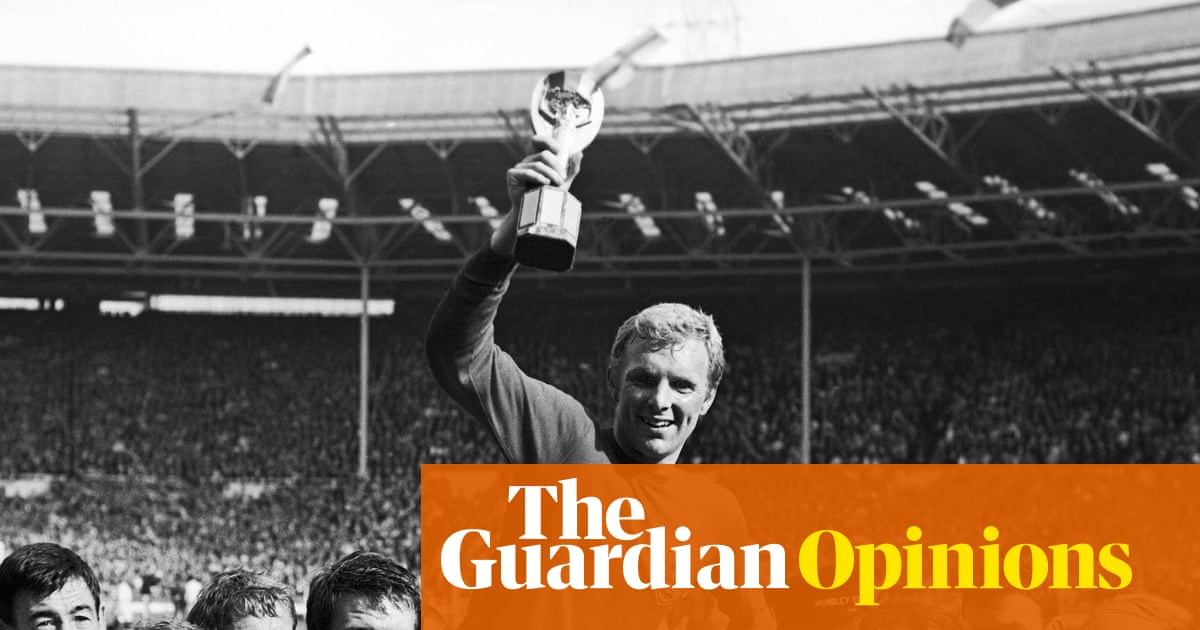
The piece weighs the tournament’s undeniable economic reach against the sense that football’s biggest stage is now saturated with corporate branding and geopolitical signaling. It argues that the World Cup has become both a commercial jackpot and a showcase for soft power.
The World Cup is like a giant party where lots of people watch, spend money, and notice who gets invited to stand in the spotlight. The article says too many ads and power plays may be making the party feel less like football and more like a shopping mall.
Analysis
The World Cup as an economic engine
The article treats the World Cup as a rare event that can move money across travel, hospitality, retail, gambling, merchandise, and advertising all at once. Fifa’s estimate of a $40.9bn boost to global GDP gives the tournament the scale of a macroeconomic event, not just a sporting one.
But the piece also pushes back against the assumption that big events create clean, lasting gains for host economies. It cites analysis suggesting the effect on host-country output is only marginally positive at best, with much of the spending simply shifted from elsewhere and then unwound after the tournament ends.
The price of spectacle
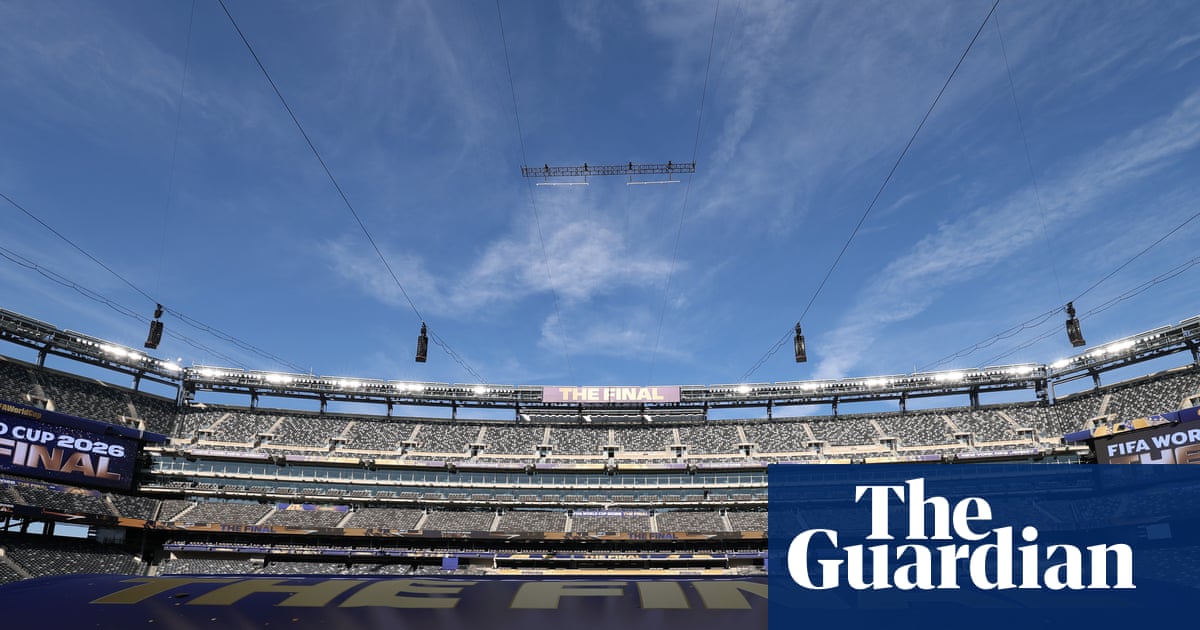
The article’s central tension is that the World Cup’s commercial success may be undermining what made it special. It describes a world of hydration breaks, celebrity cutaways, endless sponsors, and branded accessories that make the event feel more like a global marketing platform than a pure competition.
That matters because the tournament’s emotional value is part of its economic value. Fans spend more, follow more closely, and tolerate more inconvenience when the event feels culturally meaningful, but the article suggests that saturation branding risks diluting that attachment over time.
Soft power in the sponsor list
The sponsor roster is presented as a map of influence. Qatar Airways and Saudi Aramco symbolize Gulf energy wealth, while Adidas, Coca-Cola, Visa, Hyundai-Kia, Lenovo, and other sponsors show how global football becomes a stage on which states and firms project status.
The article implies that this is no longer accidental but structural: Fifa is not merely selling ad space, it is curating a hierarchy of global power. That turns the World Cup into an arena where commerce, diplomacy, and national image-building overlap, sometimes awkwardly, and sometimes absurdly.
Key points
- Fifa says the 2026 World Cup will add $40.9bn to global GDP.
- The article argues that much of the economic boost may be temporary or redirected from other spending.
- Sponsors and branded partnerships are presented as evidence of how deeply commercialized the tournament has become.
- The piece frames the World Cup as a major stage for soft power, especially for energy-rich Gulf states and large global brands.
- It questions whether the sport’s cultural magic is being diluted by the scale of the money around it.
If the commercial energy is managed well, the World Cup can keep producing huge spending for hotels, travel, restaurants, and broadcasters. Its global reach also means it can still create rare moments of shared excitement that are hard to replicate in any other event.
If branding keeps crowding out the sport, the tournament could lose some of the fan loyalty that makes its economics so powerful in the first place. The article also suggests that host economies may see only short-lived boosts, with spending displaced from other activities rather than creating durable growth.