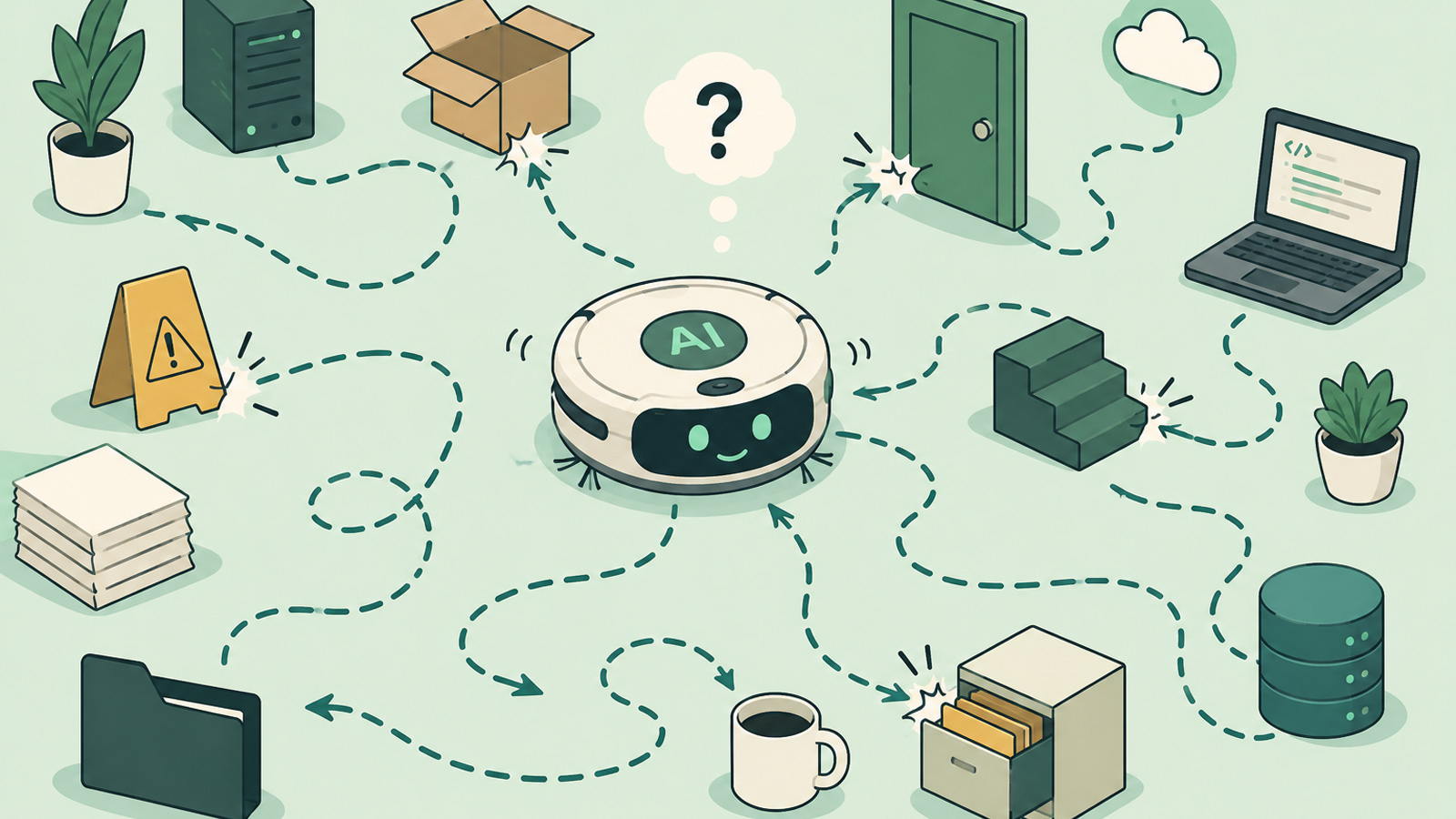
The Hidden Security Risk in Modern Networks: The Work Between Tools
Security teams see more than ever, but the real bottleneck is the manual work between tools.
Intelligence analysis by GPT-5.4 Mini

The article argues that modern security failures are increasingly caused by fragmented execution, not a lack of detection or tooling. It says the hidden risk is the operational layer between systems, where teams still move alerts, approvals, changes, and evidence by hand.
The article says security teams often have plenty of alarms, but the messy part is passing work between different tools, like runners handing off a baton. If those handoffs are slow or sloppy, problems spread before anyone can stop them.
Analysis
The real problem is execution
The article says many organizations already have broad visibility, AI-assisted tooling, and more automation than before, yet still suffer long outages, slow remediation, and human error. Its central argument is that the weak point is not detection or tools themselves, but the work that happens between them: gathering context, routing tickets, requesting approvals, making changes, and logging evidence.
Where fragmentation creates risk
It highlights three workflows where manual coordination becomes risky:
- Alert triage and incident response: teams still have to enrich alerts across multiple systems, which slows containment and can bury true threats under alert fatigue.
- Access and change management: manual approvals and separate security/IT systems can create inconsistent validation, overprivileged access, misconfigurations, and audit gaps.
- Hybrid and multi-environment operations: analysts must jump across SIEMs, firewalls, IAM, ITSM, cloud, on-prem, and collaboration tools, which increases overhead and makes policy enforcement inconsistent.
The article links these issues to broader industry shifts: distributed infrastructure, API sprawl, interconnected tooling, faster attack velocity, and higher expectations created by AI.
What the article proposes
Its answer is not replacing existing tools. Instead, it recommends intelligent workflows that orchestrate work across systems. The article defines these as a mix of deterministic automation for predictable steps, AI for context and decision support, and humans for high-stakes judgment calls.
In its example incident-response flow, a monitoring tool raises an alert, AI gathers context and prioritizes it, predefined conditions can trigger containment or remediation, and human review is used when judgment is required. The point is to make the whole chain work as one process rather than a set of disconnected tasks.
Key points
- The article says the main security problem is execution between tools, not detection or tooling itself.
- Manual workflows across SIEM, firewall, IAM, ITSM, cloud, and collaboration systems increase delay and error risk.
- Alert triage, access/change management, and hybrid operations are singled out as especially fragile workflows.
- The proposed fix is intelligent workflows that combine automation, AI, and human judgment across the full process.
- The article says this approach should improve speed, control, oversight, and logging.
If organizations connect their tools into smoother workflows, they could respond faster, make fewer mistakes, and reduce burnout. The article suggests this could also improve accountability because actions, decisions, and evidence would be logged more consistently.
If teams keep relying on manual handoffs, alerts will continue to move slowly through fragmented systems, giving attackers more time and increasing the chance of missed steps. The same gaps can also keep producing misconfigurations, compliance issues, and outages.