The PM is promising to fix our everyday annoyances – and I have a list to get him started
Politicians are focusing on fixing minor everyday frustrations, a strategy that may be used to distract from larger issues. The author provides a humorous list of such annoyances for the PM to address.
Intelligence analysis by Gemini 2.5 Flash Lite
The article critiques the political strategy of focusing on minor "everyday annoyances" as a means to gain public favor, suggesting it might be a distraction from more significant policy challenges. The author humorously contributes to this trend by listing personal gripes for the Prime Minister to solve.
Imagine your favorite toy breaks, but instead of fixing it, someone offers you a new sticker. Politicians are sometimes like that, fixing small annoyances like tricky subscription cancellations instead of big problems like climate change. The author humorously lists more small things they wish politicians would fix, like packages not arriving when you're home.
Analysis
The "Annoyance Economy" and Political Strategy
The concept of the "annoyance economy," popularized by figures like New York City mayor Zohran Mamdani, refers to the aggregation of minor daily frustrations and hidden costs that erode consumer well-being and financial resources. These range from the convoluted processes of cancelling subscriptions and encountering unexpected fees to the maddening experience of online shopping interfaces that reset progress or the simple inability to find a public toilet. Politicians are increasingly leveraging these "everyday fixes" as a visible and easily communicable strategy to connect with the electorate. This approach is often characterized by "theatre," as noted by former press secretary Eric Phillips, where the performance of addressing small problems can generate significant online traction and appear responsive to public sentiment.
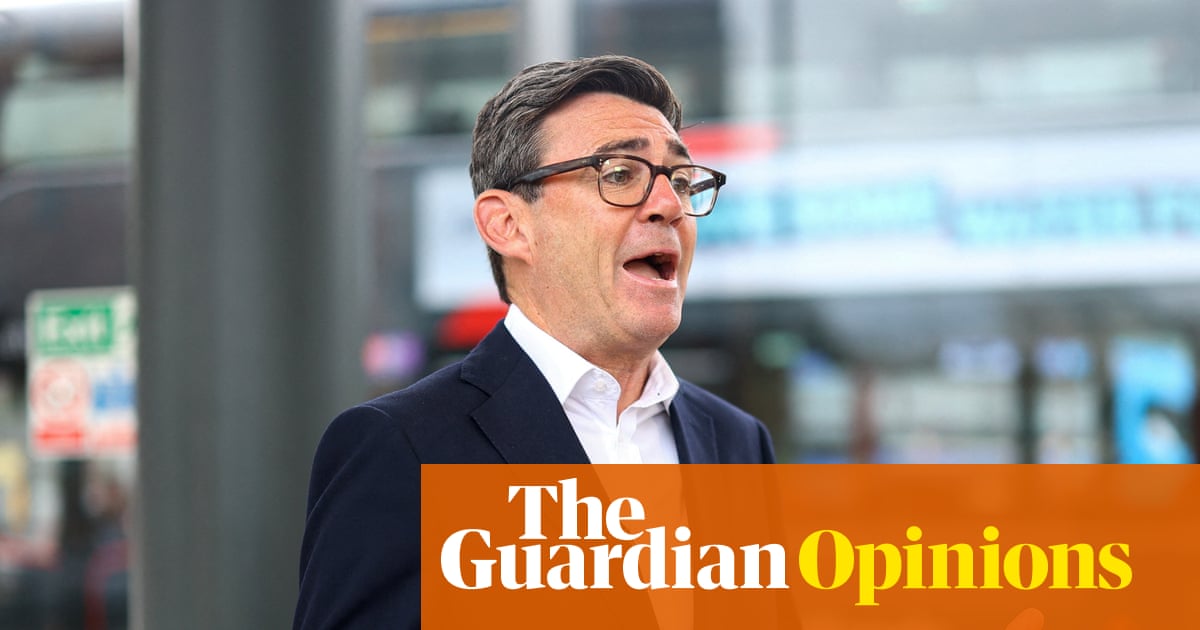
Andy Burnham's initiative to tackle issues like auto-renewed subscriptions, the proliferation of betting and vape shops, misleading sale prices, and capping bus fares in England exemplifies this trend. While these fixes are tangible and can offer immediate relief to consumers, the author questions whether such "small stuff" politics can genuinely win over the public or distract from more substantial, albeit less visually appealing, policy challenges. The article suggests that while it's beneficial for those in power to acknowledge and address low-level irritations that drain joy and resources, this focus might serve as a smokescreen for inaction on more complex and unpopular issues, such as environmental policy or significant economic reforms.
Pothole Politics and Public Confidence
The author draws a parallel between addressing potholes and other minor inconveniences, labeling it "pothole politics." This strategy, while seemingly pragmatic, is viewed with skepticism. The core argument is that while fixing potholes or making subscription cancellations easier might be popular, it doesn't necessarily translate into public trust on larger, more critical issues. The piece humorously posits that the public might be swayed by the "Mamdani magic" – a charismatic approach to problem-solving – but questions whether this is sufficient to overlook more significant policy disagreements, such as attitudes towards North Sea drilling. The underlying concern is that a focus on superficial fixes could lead to a public that is placated by minor conveniences while larger systemic problems are neglected. The hope, however, is that by building goodwill through addressing minor gripes, politicians might gain the public confidence needed to tackle the more difficult, slow-moving, and potentially unpopular policy decisions that truly shape the economy and society.
Key points
- Politicians are increasingly focusing on fixing minor "everyday annoyances" to gain public favor.
- This strategy, termed "pothole politics," can be visually appealing and easily communicated online.
- The author humorously lists personal gripes, such as delivery issues and online shopping frustrations, for politicians to address.
- There is a risk that focusing on small fixes may distract from larger, more critical policy challenges.
- Building public confidence through minor improvements could potentially pave the way for tackling bigger issues.
Focusing on everyday annoyances could build public trust and goodwill, creating a foundation for politicians to tackle larger, more complex issues. By demonstrating responsiveness to minor frustrations, leaders might gain the confidence needed to implement more significant, potentially unpopular, policy changes.
The emphasis on minor fixes might serve as a distraction from critical, long-term challenges like climate change or economic inequality. This "pothole politics" could lead to public complacency, where minor conveniences mask a lack of progress on more substantial societal and economic problems.