The Researchers Who Want Dads-to-Be to Stop Drinking
Researchers have found that a father's alcohol consumption before conception can affect a fetus, leading to changes in facial features, inflammation, liver damage, and other issues. They recommend that men stop drinking if they're trying to become fathers.
Intelligence analysis by Llama
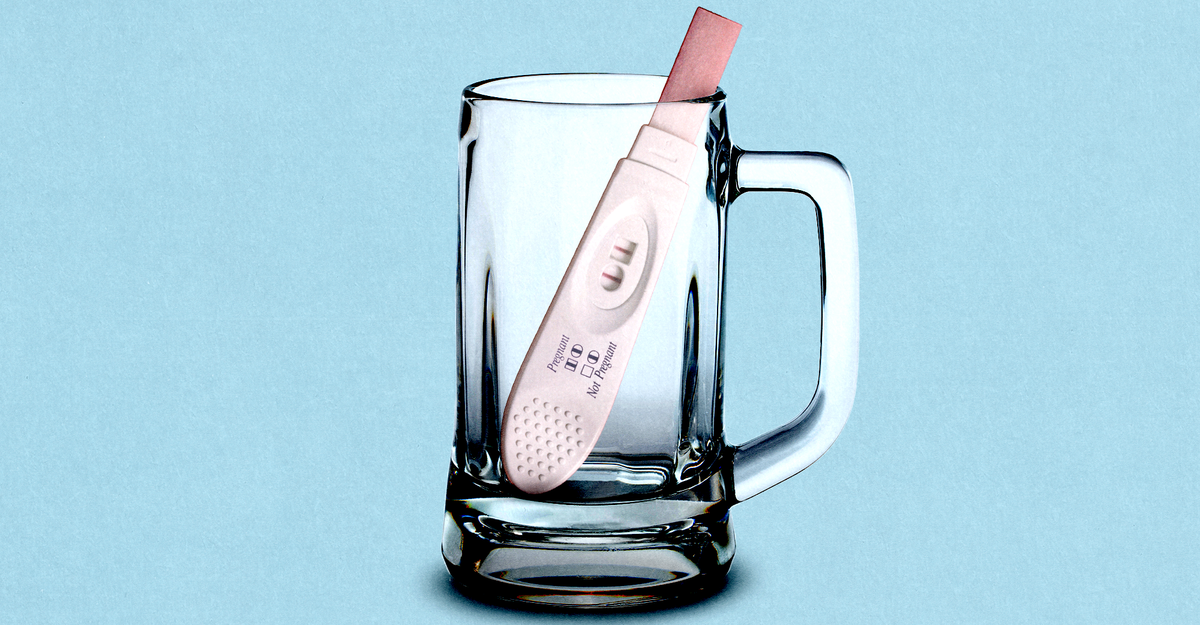
A father's preconception alcohol use can harm a fetus, leading to changes in facial features, inflammation, and other issues. Researchers recommend that men stop drinking if they're trying to become fathers.
When a dad drinks alcohol before his partner gets pregnant, it can affect the baby's development. This can lead to problems like smaller jaws, inflammation, and liver damage. Researchers are still learning about the risks, but they recommend that dads stop drinking if they're trying to become fathers.
Analysis
A Hidden Risk: Paternal Alcohol Use and Fetal Development
Research has shown that a father's preconception alcohol use can have a significant impact on fetal development. Studies have found that when a male mouse drinks alcohol before impregnating a female mouse, their fetuses tend to develop facial changes, such as smaller jaws, similar to those seen in some human children with fetal alcohol syndrome. This suggests that paternal alcohol use may be a previously overlooked risk factor for fetal development.
The Science Behind the Effects
The exact mechanisms behind the effects of paternal alcohol use on fetal development are not yet fully understood. However, research suggests that alcohol may put the male parent into a state of oxidative stress, which can alter the way that genes are expressed in the embryo. This can lead to changes in the fetus, including inflammation, liver damage, and accelerated aging. Additionally, paternal alcohol use has been linked to problems with the placenta and worse IVF success rates.
The Implications for Human Health
While the research is still in its early stages, the findings suggest that paternal alcohol use may be a significant risk factor for fetal development. This has important implications for men's health and reproductive well-being. As Gregg Homanics, a molecular neurobiologist at the University of Pittsburgh, notes, 'not every man who consumes alcohol will cause harm to his future child.' However, the research suggests that chronic drinking is likely worse than occasional drinking, and that the precise dose of alcohol that's harmful in humans is not yet clear.
The Need for Further Research
While the research is promising, there is still much to be learned about the effects of paternal alcohol use on fetal development. Further research is needed to fully understand the mechanisms behind the effects and to determine the precise dose of alcohol that's harmful in humans. Additionally, more studies are needed to explore the potential risks of paternal obesity and other substances or behaviors.
Key points
- A father's preconception alcohol use can harm a fetus, leading to changes in facial features, inflammation, and other issues.
- Researchers recommend that men stop drinking if they're trying to become fathers.
- Chronic drinking is likely worse than occasional drinking, and the precise dose of alcohol that's harmful in humans is not yet clear.
- Paternal obesity may also be a risk factor for fetal development, with altered DNA methylation in areas linked to neural development.
If men stop drinking before conception, they can reduce the risk of harming their future child. This can lead to healthier babies and a reduced burden on the healthcare system.
If men continue to drink before conception, they may be putting their future child at risk for a range of health problems. This can lead to a significant burden on the healthcare system and a reduced quality of life for affected families.