The "Tap and Hold" Trend on X: The Secret Behind AI Images
The "Tap and Hold" trend on X uses AI-generated images that reveal hidden details upon long-pressing, transforming ordinary visuals into richer, more intricate scenes. This interactive display method has rapidly gained popularity, driven by the element of surprise and inc…
Intelligence analysis by Gemini 2.5 Flash
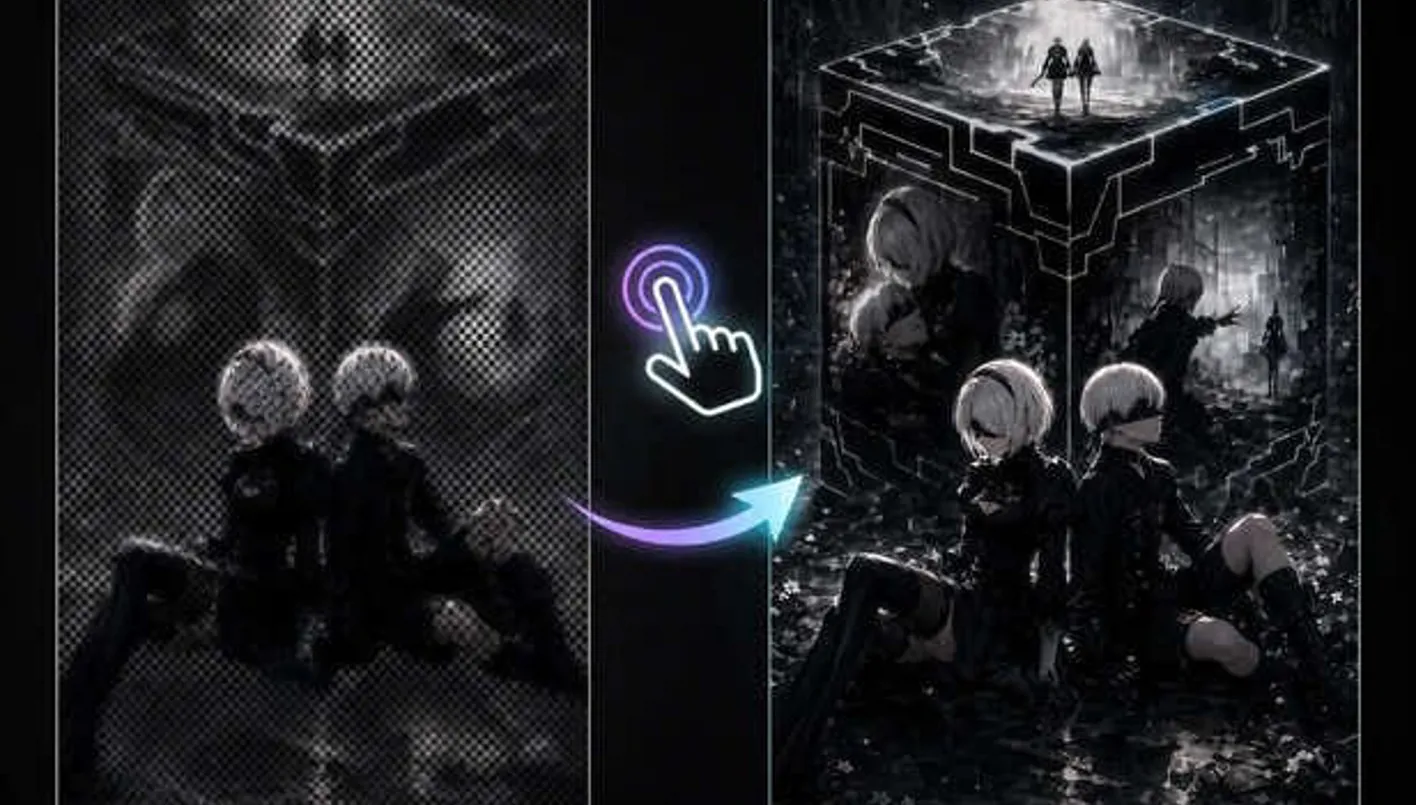
A new viral trend on the X platform leverages AI-generated imagery to create an interactive viewing experience. Users long-press seemingly simple pictures to uncover a wealth of hidden visual details, a trick enabled by how the X app handles image previews versus full-resolution loads, sparking widespread engagement and discussion.
Imagine you have a magic picture on your phone. When you first look at it, it seems simple, like a quick sketch. But if you press your finger on it for a little while, *poof!* The picture suddenly shows lots of secret details, like tiny flowers or sparkling lights, making it much more amazing. People are making these special pictures using computer brains called AI, and everyone on the X app loves finding the hidden surprises!
Analysis
The Mechanics of a Viral Sensation
The "Tap and Hold" trend on X, formerly Twitter, has captivated users by transforming static images into interactive experiences. At its core, the phenomenon exploits the platform's image loading mechanism: a compressed, lower-resolution preview is initially displayed, while the full, high-definition version loads upon a sustained press. This technical nuance, rather than an explicit platform feature, creates a "reveal" effect, where seemingly simple AI-generated images suddenly burst with intricate details, enhanced lighting, and complex backgrounds. The element of surprise inherent in this interaction is a primary driver of its virality, encouraging users to instinctively engage with posts to uncover hidden visual layers. This clever use of existing platform functionality has turned passive viewing into an active discovery process. The article notes that this interactive element significantly boosts user engagement, leading to higher rates of likes, retweets, and replies. Such metrics are crucial for content visibility on social media algorithms, further propelling the trend's spread. The initial simplicity of the preview, contrasted with the richness of the revealed image, creates a compelling hook that has proven highly effective in capturing and retaining user attention across diverse demographics.
AI's Role in Artistic Expression and Engagement
The "Tap and Hold" trend is intrinsically linked to the advancements in artificial intelligence image generation. Creators are utilizing powerful AI tools such as Midjourney, Niji Journey, and Stable Diffusion to produce the highly detailed artworks central to this trend. These tools enable the creation of complex scenes, characters, and environments that can withstand the scrutiny of a high-resolution reveal, making the visual transformation upon long-press genuinely impressive. The artists often intentionally design these images with a stark contrast between the initial preview and the final loaded version, sometimes even upscaling or enhancing the images post-generation to maximize the "wow" factor. The trend's global spread, originating from Japanese artist @sarasara_aiart's angel-inspired works and quickly adopted by creators of anime, fantasy, and sci-fi art, underscores the universal appeal of interactive digital art. While some posts explicitly prompt users with "Tap and Hold" or "Long press to reveal," others opt for a more subtle approach, allowing the surprise to unfold organically. This strategic use of AI and platform mechanics showcases a new frontier in digital artistry, where the medium itself becomes part of the artistic expression, fostering a deeper, more engaging connection with the audience.
The Dual-Edged Sword of Digital Virality
While the "Tap and Hold" trend has garnered significant admiration for its innovative approach to visual storytelling and user engagement, it has also faced its share of criticism. Many users appreciate the exciting viewing experience offered by the unfolding details in AI images, finding it a novel way to interact with digital content. This positive reception highlights a desire for more dynamic and surprising elements within the often-predictable landscape of social media feeds. The trend demonstrates how creative application of technology can enhance user interaction and provide fresh perspectives on content consumption. However, the rapid proliferation of this content has led to concerns about platform saturation. Critics argue that the trend has made X's feed feel "crowded" and "repetitive," potentially overshadowing traditional artists who may struggle to compete for attention against these highly engaging, AI-driven posts. Some detractors have even labeled the phenomenon "AI slop," suggesting that certain creators are prioritizing engagement metrics over genuine artistic merit. This debate reflects broader discussions within the digital art community regarding the role of AI in creativity, the value of human artistry, and the potential for algorithmic manipulation to dictate content trends.
Key points
- The "Tap and Hold" trend on X reveals hidden details in AI-generated images upon long-pressing.
- It leverages the X app's image loading mechanism, showing a compressed preview before the high-resolution version.
- The trend's popularity surged after Japanese artist @sarasara_aiart posted angel-inspired works.
- Creators use AI tools like Midjourney and Stable Diffusion to produce these detailed images.
- The trend has been praised for its interactive experience but criticized for platform saturation and potential "AI slop."
The trend could inspire more innovative uses of platform features to create engaging, interactive content, pushing the boundaries of digital art and user experience. It demonstrates how AI tools can empower creators to produce captivating visuals that foster deeper audience connection.
The rapid spread of such AI-generated content might lead to platform saturation, making it harder for traditional artists to gain visibility and potentially devaluing human-created art. Critics also worry about the trend being used primarily for engagement bait, leading to a decline in content quality.