US holds fire against Iran as reports emerge of stockpile concerns
The US has paused airstrikes against Iran after nearly five months of conflict, with reports suggesting concerns over dwindling munitions stockpiles are a key factor, reviving hopes for negotiations.
Intelligence analysis by Gemini 2.5 Flash
Washington has halted its nightly bombardments against Iran, a move attributed by US media to pressure on military stockpiles, particularly Patriot interceptors, and a renewed push for diplomatic talks. This pause comes as the conflict, initially focused on the Strait of Hormuz, has expanded to include attacks on US bases, regional shipping, and Gulf allies, raising fears of a wider M…
Imagine two big kids who've been having a long, noisy argument, throwing things at each other. One kid, the US, suddenly stops throwing things. It's like they're running low on their supply of 'throwing rocks' or maybe they want to try talking instead. But even though they've paused, other kids nearby have started their own little fights, especially around the important snack stand, making everyone worried the whole playground might get messy.
Analysis
A Strategic Pause Amid Stockpile Concerns
The United States has reportedly put its operations against Iran "on a hold," according to CNN, citing an unidentified Pentagon source. This pause follows nearly two weeks of consecutive nightly US bombardments and marks a significant shift in the five-month-long conflict. The New York Times reported that plans to escalate the campaign have been shelved partly due to shrinking supplies of munitions, including Patriot interceptors and other defensive weapons, citing two people briefed on the matter. This suggests a potential strategic vulnerability or a need to conserve resources amidst a prolonged engagement.
Diplomatic Overtures and Escalation Threats
Despite the operational pause, US President Donald Trump had threatened a "much higher level" of strikes just prior, stating Iran faced a choice between a deal and intensified military action. However, Axios reported that the Pentagon had presented Trump with a plan for a 14th night of strikes, which he declined to authorize in favor of a push for talks. This indicates a complex internal debate within the White House, with Vice President JD Vance and top US general Dan Caine reportedly raising concerns about escalation at a meeting. General Caine, while affirming the military's capability, warned of the possible implications of further escalation, highlighting the delicate balance between military pressure and diplomatic efforts.
Expanding Fronts and Energy Corridor Tensions
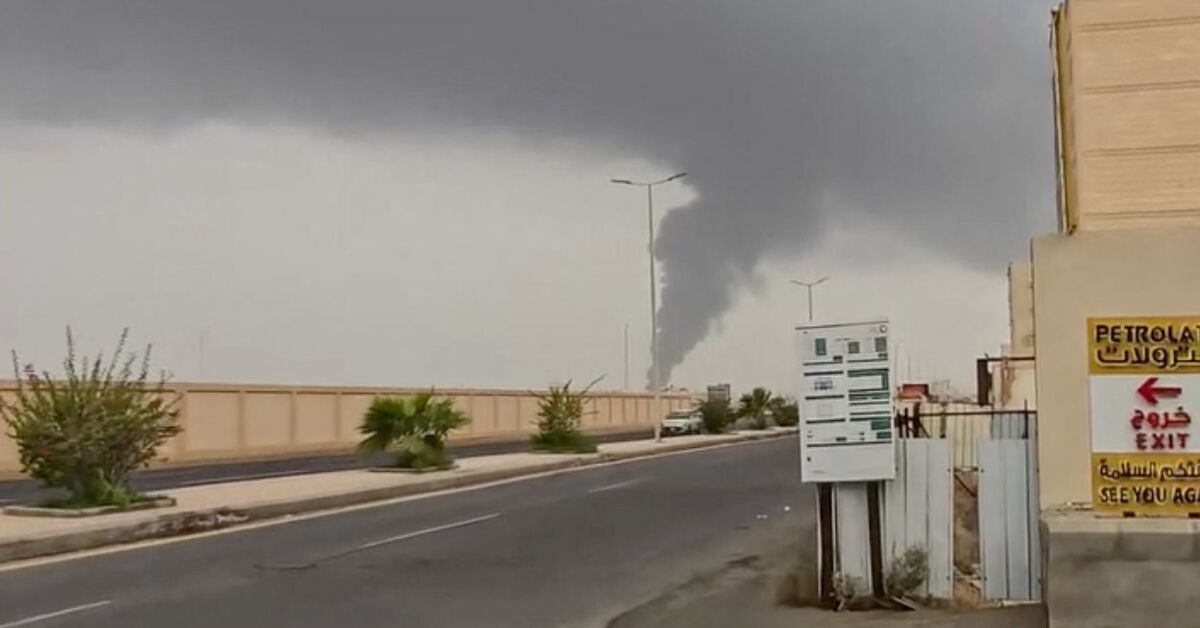
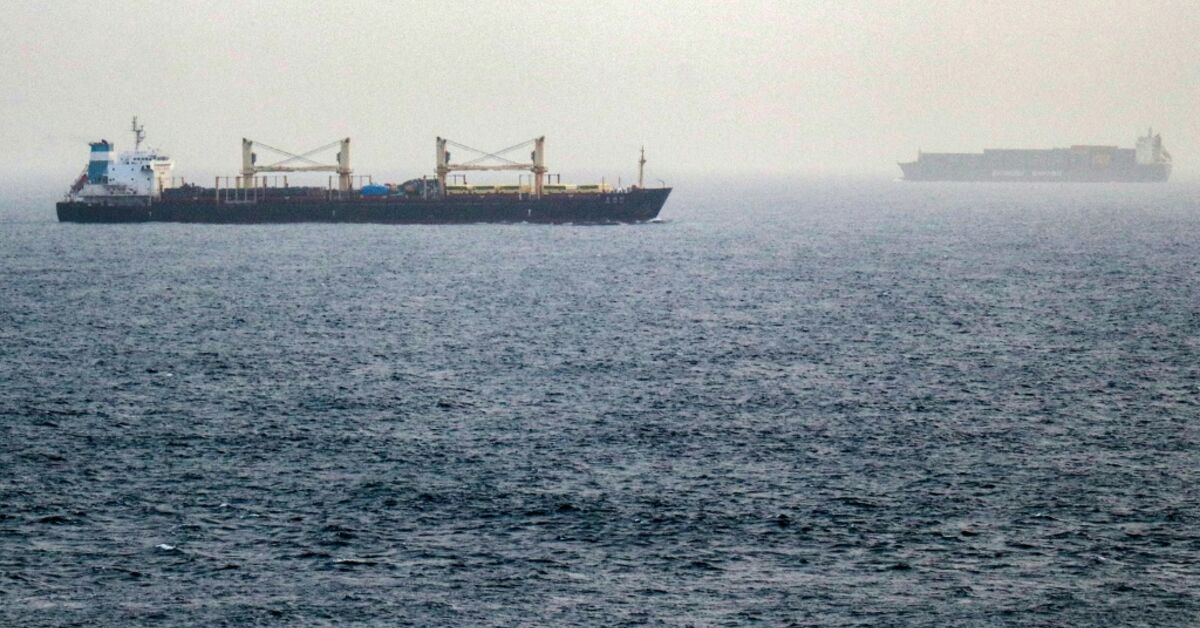
The conflict, which began over the strategic Strait of Hormuz, has expanded significantly beyond this vital energy corridor. Fighting has spread to a new front in Yemen, where Iran-backed Houthi rebels claimed strikes on Saudi Aramco sites in Jizan and Yanbu, following Saudi retaliatory bombings. Greek personnel in Saudi Arabia reportedly downed ballistic missiles and a drone over Yanbu, underscoring the regionalization of the conflict. Meanwhile, Iran's Revolutionary Guards asserted they had stopped four ships attempting to transit the Strait of Hormuz in 24 hours, maintaining Tehran's effective blockade of the waterway as the central flashpoint with Washington. Iran's Foreign Minister Abbas Araghchi offered to broker talks between the Houthis and Riyadh, emphasizing that "there is no military solution," even as the conflict continues to weigh on global economic stability and US domestic politics.
Key points
- The US has paused airstrikes against Iran after nearly five months of conflict, following two weeks of nightly bombardments.
- Reports from CNN and The New York Times suggest the pause is partly due to concerns over dwindling US munitions stockpiles, including Patriot interceptors.
- US President Trump had threatened a "much higher level" of strikes but declined to authorize a 14th night of operations in favor of pursuing talks.
- The conflict has expanded, with Iran-backed Houthi rebels attacking Saudi Aramco sites in Yemen, and Iran maintaining its effective blockade of the Strait of Hormuz.
- Internal White House discussions reportedly saw Vice President JD Vance and General Dan Caine raise concerns about the implications of further escalation.
The pause in US airstrikes and the reported push for negotiations could open a crucial window for de-escalation, potentially leading to a diplomatic resolution that prevents a wider regional conflict. Renewed talks might address the core issues, stabilize the Strait of Hormuz, and alleviate global economic anxieties.
Despite the pause, the underlying tensions remain high, and President Trump's threats of "much higher level" strikes suggest a rapid return to escalation is possible. The expansion of fighting to new fronts, such as Yemen, and continued disruptions in the Strait of Hormuz, risk a broader Middle East war and significant shocks to the global economy.
Market signals
- OIL Conflict in the vital energy corridor of the Strait of Hormuz and attacks on Saudi Aramco sites create supply uncertainty, pushing oil prices higher.
AI-generated analysis of potential market relevance. Not financial advice.