The U.S. fought the flesh-eating screwworm for decades. Now it begins again.
The New World screwworm has returned to U.S. cattle in Texas for the first time since 1982, forcing a new containment campaign.
Intelligence analysis by GPT-5.4 Mini
A parasite the U.S. nearly drove out through decades of sterile-fly releases is back in Texas cattle. The outbreak has revived a costly biocontrol strategy and raised questions about whether earlier containment investments were allowed to fade.
The U.S. once beat a nasty fly that lays babies in wounds, kind of like if a tiny bug turned an open cut into a nest. Now that fly is back, and the government is rushing to use more sterile flies to stop it from spreading again.
Analysis
What happened
The Agriculture Department said the New World screwworm was found in a calf in Texas, the first natural detection in U.S. cattle since 1982. A second case was reported in Texas days later, about six miles from the first.
Why it is alarming
The screwworm is not a worm but a blowfly whose larvae burrow into living tissue. It targets open wounds, and untreated infestations can be deadly in cattle. Experts quoted in the piece said the parasite also threatens wildlife, pets, and occasionally people.
How the U.S. beat it before
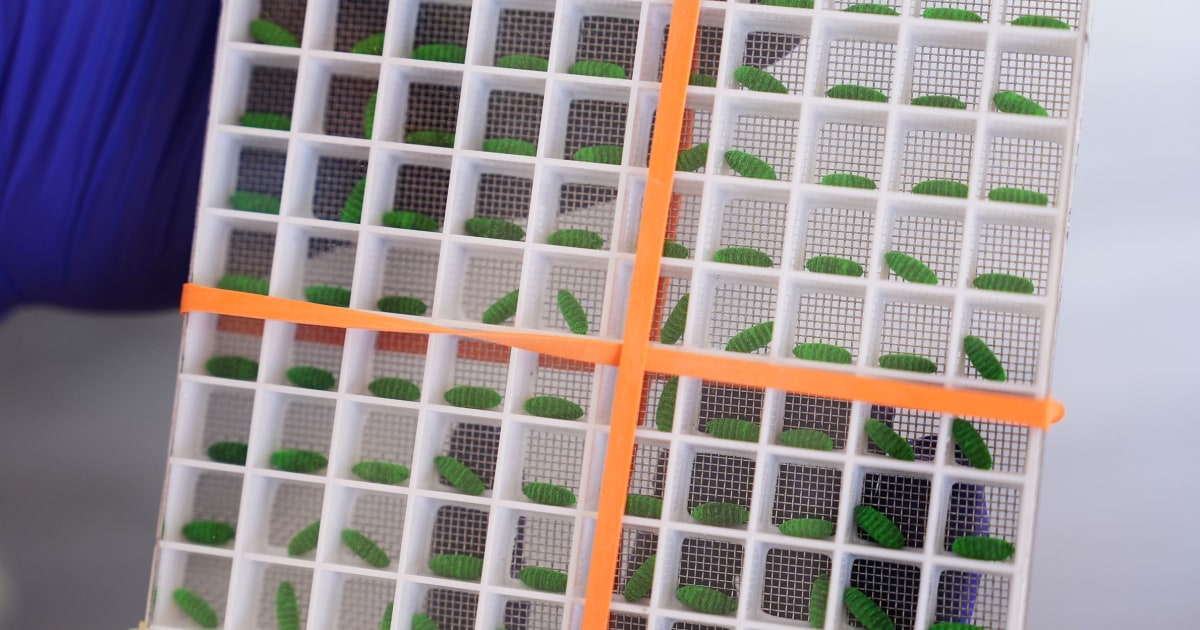
The article says the United States spent more than half a century and hundreds of millions of dollars pushing the pest away from its borders. The core tactic was releasing sterile male flies on a massive scale. Because female screwworms mate only once, sterilized males turn reproduction into a dead end.
That campaign drove the species out of the U.S. by 1982 and eventually past the Panama Canal by about 2004, according to the story.
Why it came back
The article says facilities closer to the former outbreak zone were closed over time as the pest moved south. That left Panama with the main production plant, which one expert described as aging. Then, in 2023, the screwworm outbreak began spreading north again through Panama, Costa Rica, Mexico, and now into the U.S.
What comes next
USDA says it is spending $750 million on a Texas facility that could produce about 300 million sterile screwworms a week. But the plant is not expected to be ready until late 2027 at the earliest, so the immediate response still depends on containment, surveillance, and continued releases from existing sites.
Key points
- The New World screwworm has been detected in Texas cattle for the first time in a natural incursion since 1982.
- The parasite’s larvae burrow into living tissue and can kill livestock if not treated quickly.
- The U.S. previously eradicated it with sterile male fly releases across multiple countries.
- USDA plans a $750 million Texas facility, but it will not be ready until late 2027 at the earliest.
- Experts say the return is a warning about how fast the pest can spread and how important containment is.
If the sterile-fly program works again, the outbreak could be boxed in before it spreads deeper into the U.S. The new Texas factory could also restore a stronger long-term defense by producing far more sterile flies than today’s system can manage.
If the pest keeps moving north faster than the response, it could threaten more cattle and other animals before new capacity comes online. The article also suggests the U.S. is still dependent on an older production system until the Texas plant is finished.