The Woman Who Took in Hundreds of Birds as Her Own Children
A woman in India has taken in hundreds of birds, building them homes and caring for them as if they were her own children. She says the birds bring her joy and help her cope with her health issues.
Intelligence analysis by Llama
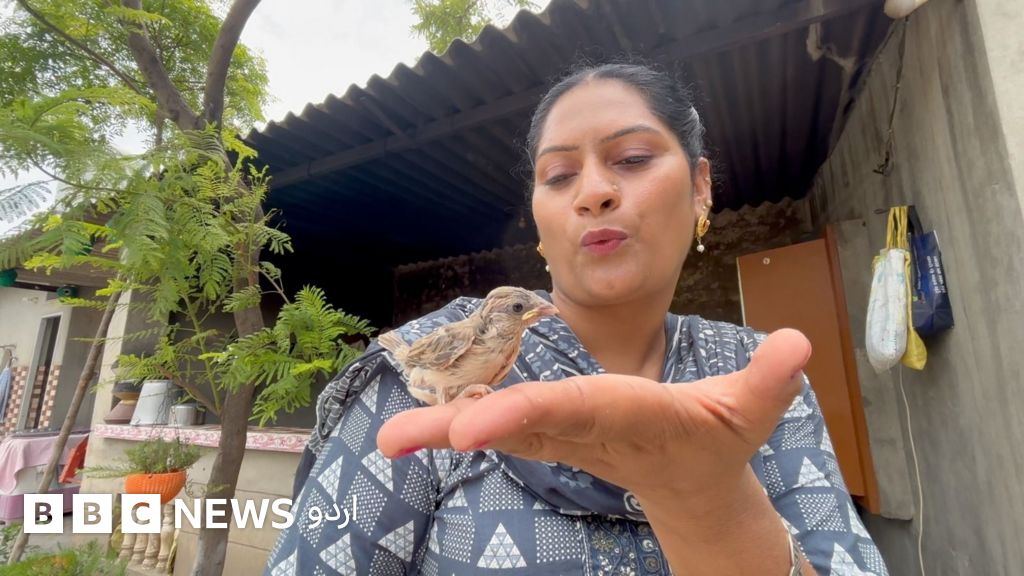
A woman in India has taken in hundreds of birds, building them homes and caring for them as if they were her own children. She says the birds bring her joy and help her cope with her health issues.
A woman in India has taken in hundreds of birds and built them homes in her backyard. She says the birds bring her joy and help her cope with her health issues. She uses a unique method to call the birds, and they have become a part of her family.
Analysis
A Woman's Love for Birds Transforms Her Life
Harpriet Kaur, a woman from India, has taken in hundreds of birds and built them homes in her backyard. She says the birds bring her joy and help her cope with her health issues. Harpriet's love for birds has transformed her life, and she has become a source of comfort and joy for the birds as well.
Harpriet's journey with birds began when she was diagnosed with a health condition that left her bedridden. She was feeling lonely and isolated, but then she started noticing the birds that would visit her backyard. She began to care for them, building them homes and feeding them. Over time, the birds became a source of comfort and joy for Harpriet, and she started to feel more connected to the world around her.
As Harpriet's health improved, she continued to care for the birds, and her love for them only grew stronger. She started to build more homes for them, using materials like wood and mud. She even started to use a unique method to call the birds, using a specific sound that they would recognize.
Today, Harpriet's backyard is home to hundreds of birds, and she spends her days caring for them. She says that the birds have become a part of her family, and she loves them just as much as her own children. Harpriet's story is a testament to the power of love and compassion, and how it can transform our lives and the lives of those around us.
The Benefits of Birdwatching
Birdwatching has been shown to have numerous benefits for mental and physical health. It can reduce stress and anxiety, improve mood, and even help to alleviate symptoms of depression. Harpriet's love for birds has brought her these benefits, and she is grateful for the joy and comfort they bring her.
The Importance of Conservation
Birds are an important part of our ecosystem, and their conservation is crucial for the health of our planet. Harpriet's efforts to care for the birds in her backyard are a small but important step towards conservation. By building homes for the birds and providing them with food and water, Harpriet is helping to ensure their survival and well-being.
Conclusion
Harpriet's story is a reminder of the importance of love and compassion in our lives. Her love for birds has transformed her life, and she has become a source of comfort and joy for the birds as well. As we go about our daily lives, let us remember the importance of caring for the creatures around us, and the impact it can have on our own lives and the lives of those around us.
Key points
- A woman in India has taken in hundreds of birds and built them homes in her backyard.
- She says the birds bring her joy and help her cope with her health issues.
- She uses a unique method to call the birds, and they have become a part of her family.
- Birdwatching has been shown to have numerous benefits for mental and physical health.
- Conservation of birds is crucial for the health of our planet.
Harpriet's love for birds has brought her joy and comfort, and she is grateful for the benefits they have brought to her life. She hopes that her story will inspire others to care for the birds and other creatures in their lives.
The decline of bird populations is a concern, and Harpriet's efforts to care for the birds in her backyard are a small but important step towards conservation. However, there are many factors that contribute to the decline of bird populations, and it will take a collective effort to address this issue.