They came for the World Cup. They fell in love with Buc-ee’s and ranch dip.
World Cup visitors are going viral for delighting in everyday U.S. quirks, from Buc-ee’s to ranch dressing. Their posts are offering a lighter view of America amid political tensions.
Intelligence analysis by GPT-5.4 Mini
International fans heading to North America for the World Cup are posting amused, affectionate reactions to U.S. culture, and Americans are embracing the wholesome attention. The trend is landing against a more serious backdrop of travel bans, border scrutiny, and World Cup-related entry problems.
People visiting the U.S. for the World Cup are posting fun pictures and stories about things Americans usually ignore, like gas stations, school buses, and ranch dip. It is like someone seeing a familiar toy for the first time and acting amazed.
Analysis
What is happening
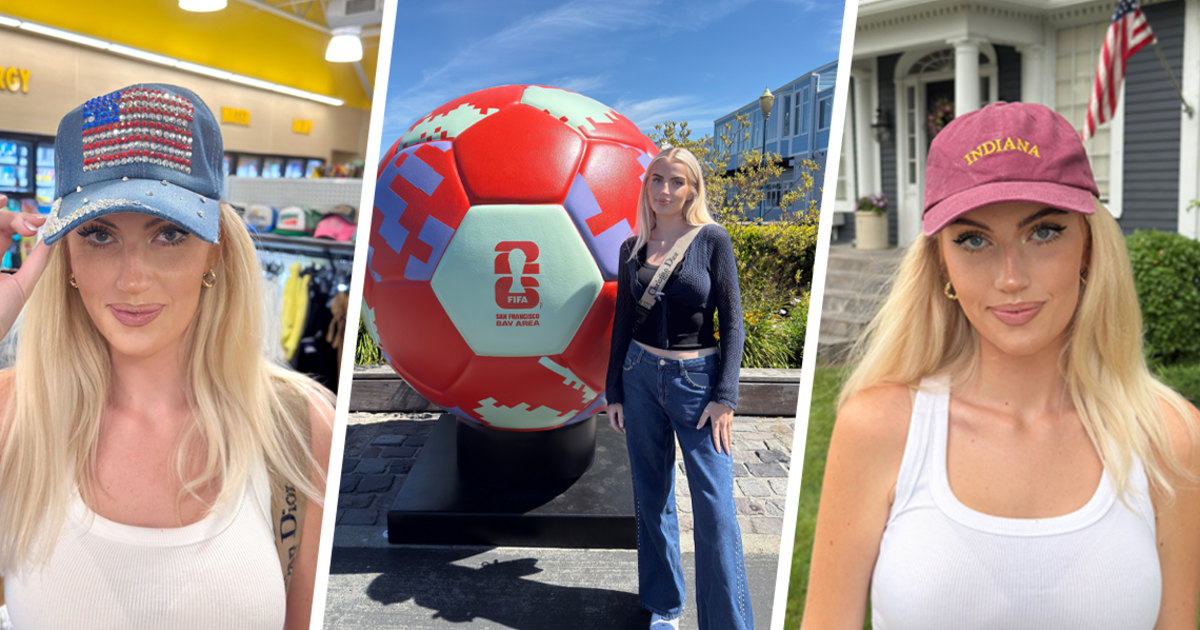
International World Cup visitors are posting their first impressions of the United States, and the reactions are spreading widely on social media. NBC News focuses on Swedish tourist Elsa Thora, who documented small moments like seeing a yellow school bus, trying ranch dressing, and browsing Trader Joe’s. Her posts, and similar ones from other visitors, have drawn millions of views.
Why it is resonating
The article presents these posts as a light, almost affectionate counterweight to the harsher political conversation around the U.S. Thora says she deliberately avoids U.S. politics in her posts and is traveling on her own savings rather than sponsorships. Other viral visitors have highlighted Buc-ee’s, giant stadiums, Waffle House, Nashville, and the Chicago Starbucks Reserve Roastery. For many American users, the appeal is seeing familiar places through a fresh, enthusiastic lens.
The political backdrop
The feel-good posts arrive while the U.S. hosts 78 of the tournament’s 104 matches across 11 cities. At the same time, the article notes that travel bans and restrictions affecting 39 countries have created obstacles for some people trying to come to the tournament. NBC News also reports that some Iranian officials were denied entry, an Iraqi team photographer was denied entry, and a Somali referee was detained and sent back after arriving in Miami.
The bigger picture
The piece is less about soccer results than about how visitors are encountering America. It suggests that ordinary roadside culture, chain restaurants, and grocery stores can become unexpectedly meaningful when seen by outsiders. The article also shows the tension between soft-power tourism moments and the harder realities of border enforcement and international scrutiny.
Key points
- Visitors from abroad are going viral for enthusiastic, low-stakes observations about U.S. culture and food.
- Elsa Thora’s posts about ranch dressing, Trader Joe’s, and a school bus became part of the trend.
- The story contrasts these wholesome reactions with travel bans and border-entry problems tied to the World Cup.
- Some Americans are treating the posts as a source of national pride and amusement.
If the trend continues, the World Cup could leave visitors with warm memories of the U.S. and give Americans a lighter, more welcoming way to see their own country. The posts may also help replace some of the politics around the event with a more human, friendly image.
The cheerful social media moment could be undercut if travel barriers keep affecting fans, officials, and participants. The article shows that border searches and denied entries are already creating friction, which could overshadow the positive buzz.