This kind of obsessive attraction isn’t love – but it has a name
A psychological state called limerence is characterised by a deep longing for someone, obsessive and intrusive thoughts, compulsive behaviours and a strong desire for emotional reciprocation. It can last months, years or even decades and is not the same as love.
Intelligence analysis by Llama
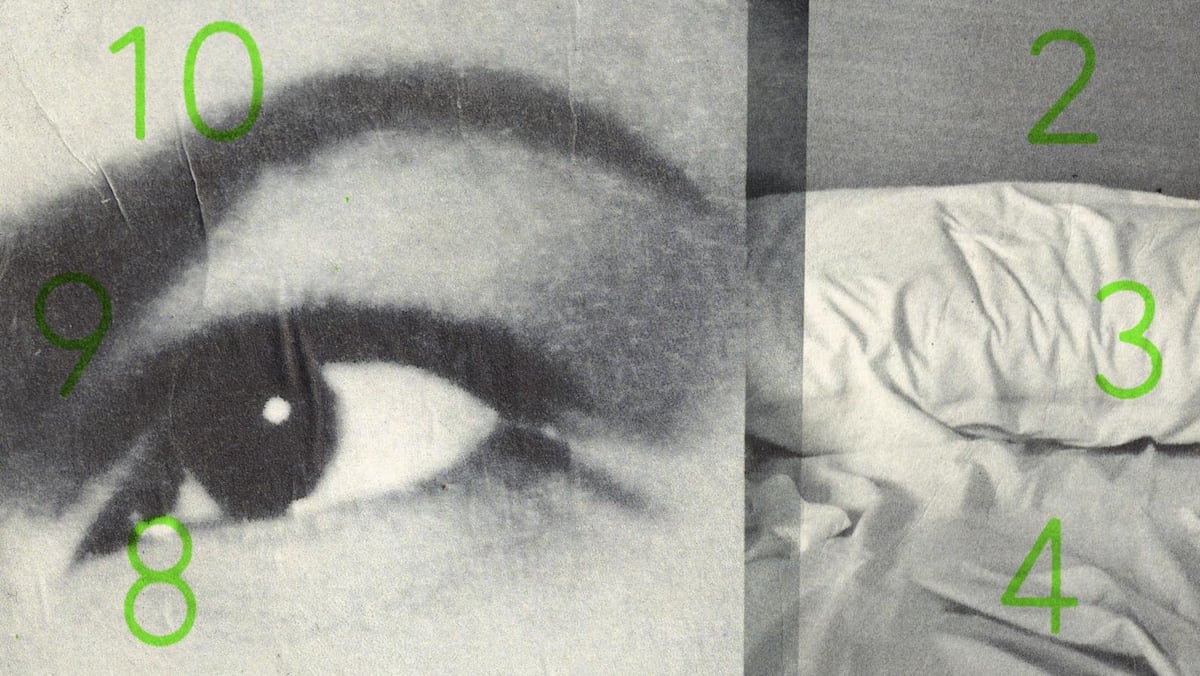
Limerence is a psychological state that involves a deep longing for someone, obsessive thoughts, compulsive behaviours, and a strong desire for emotional reciprocation. It can last for months, years, or even decades and is not the same as love.
Limerence is a strong feeling of love or attraction that can last a long time. It's like being under a spell, and it can make people do things they wouldn't normally do. It's not the same as regular love, and it can be hard to get over.
Analysis
What is Limerence?
Limerence is a psychological state characterised by a deep longing for someone, obsessive and intrusive thoughts, compulsive behaviours, and a strong desire for emotional reciprocation. It was coined in the 1970s by psychologist Dorothy Tennov, but it is not recognised in the Diagnostic and Statistical Manual of Mental Disorders. Unlike a crush, limerence can last months, years, or even decades and is more intense. A crush or infatuation becomes limerence when it starts to impair a person’s ability to function, for instance preventing them from working, sleeping, or eating.
The Psychology of Limerence
Limerence is an inwardly focused psychological experience based on fantasy and ambiguity. The other person becomes a symbol, and the person experiencing limerence holds hope that the other person has feelings, but they also have doubts. Uncertainty is the fuel that keeps the whole thing going. Limerence resembles addiction, and when someone senses reciprocation, the brain registers it as a reward. If those rewards come unpredictably, it can intensify the urge to keep seeking them.
Breaking the Spell
Even though limerence typically makes people miserable, it can’t just be wished away. Noticing and labelling compulsions when they arise can help. Focusing on the other person’s flaws or imagining what would happen if other people discovered the infatuation can also be helpful. The most effective approach would be to cut off contact with the other person, but this is not always possible and is certainly not easy. Working with a therapist who understands limerence can be useful, and cognitive behavioural strategies may help. Often, people feel limerence toward others who have qualities they yearn for or have lost access to in themselves. In therapy, they can learn to identify and fulfil these desires, turning limerence into a source of healing.
Key points
- Limerence is a psychological state characterised by a deep longing for someone, obsessive and intrusive thoughts, compulsive behaviours, and a strong desire for emotional reciprocation.
- Limerence can last months, years, or even decades and is not the same as love.
- Limerence resembles addiction, and when someone senses reciprocation, the brain registers it as a reward.
- Noticing and labelling compulsions when they arise can help people manage their limerence.
- Working with a therapist who understands limerence can be useful, and cognitive behavioural strategies may help.
With the right approach, people can learn to manage their limerence and move on from it. This can involve working with a therapist, identifying and fulfilling their desires, and developing coping strategies. By doing so, people can turn limerence into a source of healing and personal growth.
Limerence can be a difficult and painful experience, and it can be hard to get over. If left unchecked, it can lead to obsessive thoughts, compulsive behaviours, and a strong desire for emotional reciprocation. This can have negative consequences for a person's mental health and relationships.