Three men arrested in Iran for publishing personal and deepfake images of women on Telegram
Iran's Lorestan judiciary says three Telegram channel administrators who published personal and AI-generated deepfake images of women have been arrested, with over 200 complaints filed.
Intelligence analysis by Llama
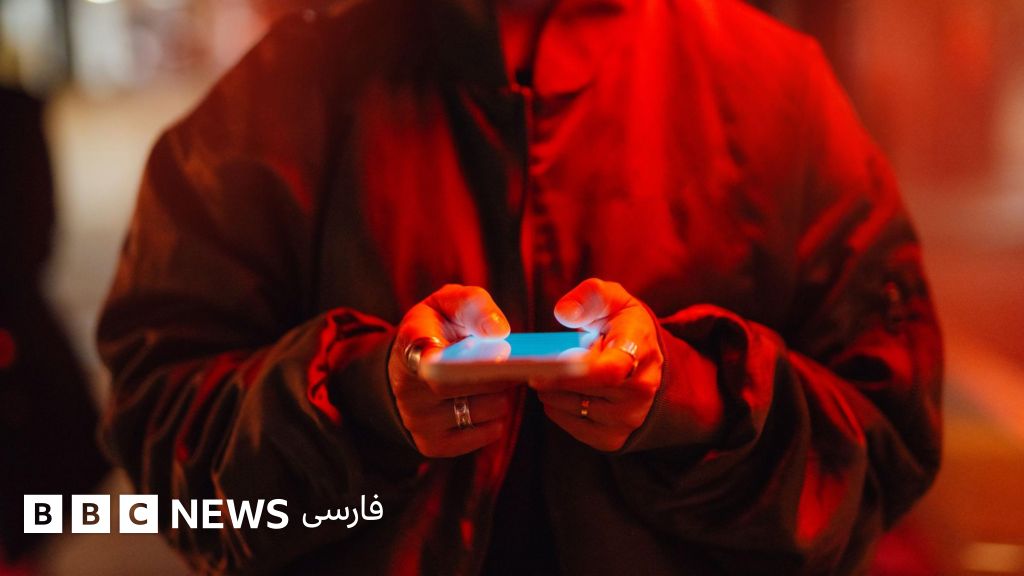
Prosecutors in Iran's Lorestan province announced the arrest of three operators of a Telegram channel that distributed personal photos and deepfake imagery of women and girls. More than 200 complaints have been logged, and the suspects allegedly also extorted victims to remove their images.
Three men in Iran ran a Telegram channel where they posted real and computer-made fake photos of women without permission. Police caught them, and more than 200 women have complained. The men also tried to make money by asking the women to pay to have their pictures taken down.
Analysis
A Province-Led Response to a National-Scale Problem
The Lorestan provincial judiciary took the lead on this case, with prosecutor Ali Hassanvand announcing that three administrators of a Telegram channel had been detained outside the province. According to the daily Shargh, cited by BBC Persian, the channel published personal photographs alongside deepfake imagery of women and girls. The fact that the suspects were apprehended beyond Lorestan's borders — and that more than 200 complaints have already been filed with the provincial prosecutor's office — points to a victim base that extends well past the province itself. Social media accounts describe similar channels operating in other parts of Iran, suggesting the Lorestan arrests may be the visible tip of a much wider network.
Extortion as the Hidden Business Model
What makes the case stand out from a typical image-abuse prosecution is the reported extortion layer. According to the article, the channel operators did not stop at publishing the images; they allegedly used the threat of continued exposure to demand payment from victims in exchange for removal. That pattern — publish first, monetize through removal — mirrors a playbook that has surfaced in other jurisdictions, where deepfake abuse is treated less as a prank than as a coercion tool. With 200-plus complainants, the financial and psychological scale of the alleged scheme could be significant even if only a fraction of victims paid.
A Public-Warning Campaign, Not a Policy Shift
The accompanying response from Lorestan's cyber police (FATA) leaned heavily on public awareness rather than new legal tools. Officers posted Instagram videos urging families to verify the source of viral images and to stay close to their children. The prosecutor separately advised citizens to be cautious about posting personal images online and to use only licensed repair shops for phones and electronics — a reminder that data leaks from repair shops are a known vector for image harvesting. The framing is conservative and victim-directed: it places the burden of prevention on users and families rather than on platform enforcement. For an Iran-watcher, the episode underscores how the state is increasingly framing AI-enabled harassment as a privacy-hygiene problem, even as the technology enabling the abuse continues to outpace both regulation and digital literacy.
Key points
- Three Telegram channel administrators arrested in Iran for distributing personal and deepfake images of women
- Prosecutor in Lorestan province says more than 200 complaints have been filed
- Suspects were arrested outside Lorestan, indicating the channel's reach extended beyond the province
- Operators allegedly extorted victims by demanding payment to remove published images
- Lorestan's cyber police urged families to verify online images and watch for deepfakes
- Similar channels have been reported in other parts of Iran, suggesting a wider pattern
If the prosecution proceeds successfully and the 200-plus complaints are pursued, the case could set a precedent that deters similar channels and signals to victims that reporting leads to action. Public-awareness messaging from FATA may also reduce the number of people whose images become source material in the first place.
Because the suspects were arrested outside Lorestan and similar channels have been reported in other provinces, the crackdown may only dismantle a single node in a broader network. The continued availability of deepfake tools and the lack of platform-level enforcement in Iran mean new channels can quickly replace the one taken down, while victims still face social and family pressure even after images are removed.