Thrift shops thrive with Gen Z amid inflation
Thrifting is booming as Gen Z chases bargains, variety and sustainability while inflation keeps prices high.
Intelligence analysis by GPT-5.4 Mini
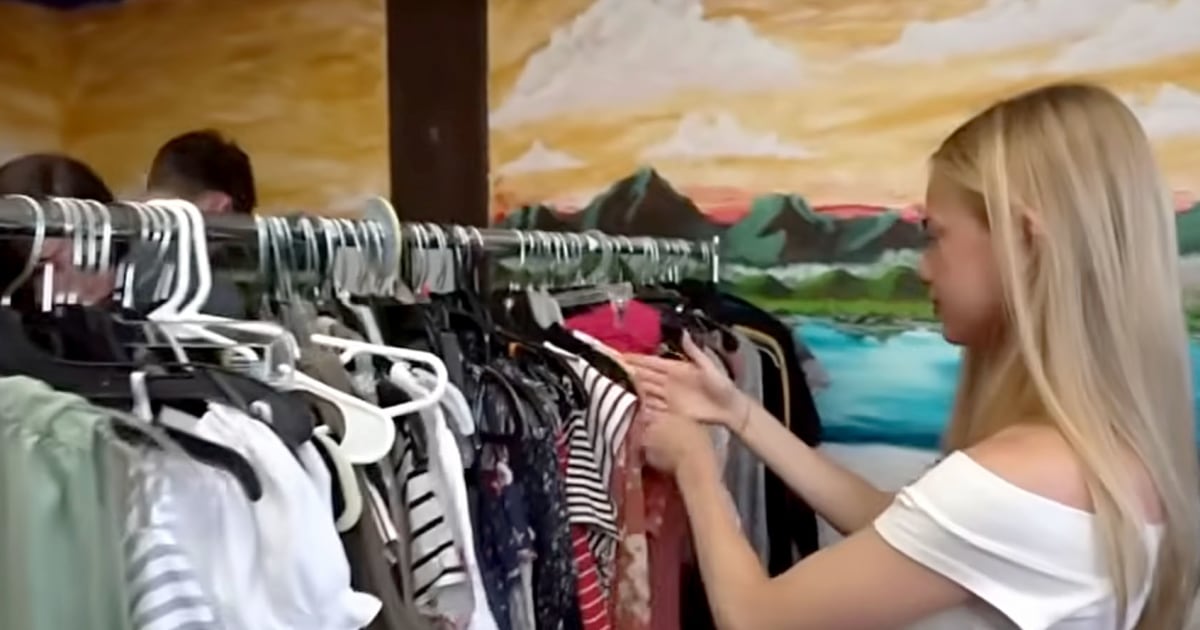
NBC News says secondhand shopping is gaining momentum across the U.S., with younger shoppers especially drawn to the mix of lower prices, unique finds and perceived quality. The trend is big enough that it is now showing up in consumer spending data and inflation tracking.
More young people are shopping at thrift stores because they can find cool clothes for less money. It is a bit like treasure hunting: one person’s old shirt can become someone else’s favorite outfit.
Analysis
What is happening
Thrift shopping is getting a fresh boost from Gen Z and from consumers squeezed by higher prices. NBC News reports that Bank of America found secondhand transactions up 22% from a year earlier, while foot traffic data from Placer.ai showed visits to thrift stores rising more than 25% even as visits to traditional apparel retailers fell.
The scale is now large enough to matter to policymakers and statisticians. NBC says the U.S. secondhand apparel market has grown to about $56 billion, roughly double its 2020 size, according to ThredUp. The Bureau of Labor Statistics is also folding secondhand apparel into its consumer price tracking.
Why shoppers are choosing it
The article says the appeal is a mix of value, variety and sustainability, as economist Taylor Bowley of the Bank of America Institute put it. Shoppers interviewed in the story also point to quality. One 18-year-old customer said newer mall clothing can feel poorly made, while older items can be cheaper and better built.
The business has changed too. Stores such as 2nd Street in Montclair, New Jersey, offer everything from low-cost basics to expensive designer pieces, and they carefully vet merchandise for condition and style. ThredUp asks sellers to send in clean clothes with little wear, and 2nd Street looks for clean, in-season, trend-forward items.
Bigger picture
The story connects thrift shopping to a broader return of old-school formats and hobbies, from vinyl to film cameras. It also reflects the pressure inflation is putting on households, especially those whose wages are not keeping pace with rising costs. In that setting, secondhand shopping is both a budget strategy and a style choice.
Key points
- NBC says thrift shopping is surging again, especially among Gen Z shoppers.
- Bank of America reported secondhand transactions up 22% from a year ago.
- Placer.ai found thrift store visits rose more than 25% while visits to traditional apparel retailers fell.
- ThredUp says the U.S. secondhand apparel market has reached about $56 billion, doubling since 2020.
- Shoppers and economists cite value, variety, sustainability and better quality as reasons for the shift.
If this trend continues, secondhand shopping could give more people a cheaper way to dress well while reducing waste. Stores that sort and verify items well may keep attracting shoppers who want both savings and better quality.
If inflation stays high, thrift shopping may keep growing mainly because families are under pressure, not because the broader economy is improving. The market could also become more competitive and expensive if more shoppers chase a limited supply of desirable used items.