Timeline for Western island reclamation not yet determined, stakeholder engagement will continue: Chee Hong Tat
Singapore's Minister for National Development, Chee Hong Tat, stated that the timeline, land use, and construction plans for the new western island reclamation are still undetermined, with stakeholder engagement ongoing.
Intelligence analysis by Gemini 2.5 Flash
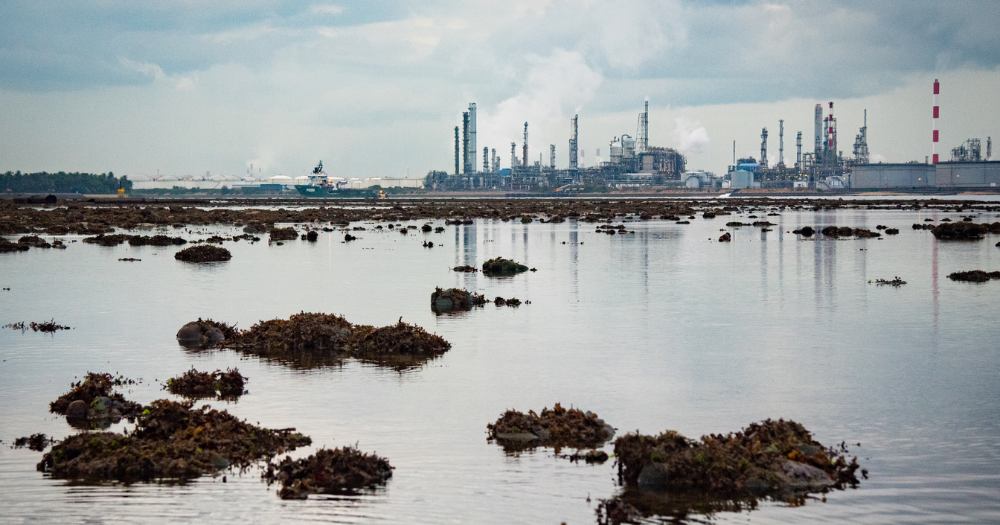
Plans to merge several outlying islands into a larger western island, announced by Prime Minister Lawrence Wong, are still in the early stages. Minister Chee Hong Tat confirmed that the project's details, including its reclamation profile and construction methods, are yet to be finalised, emphasizing its complex and challenging nature.
Imagine Singapore needs more space for important things like factories and energy, so they're thinking about making a bigger island by joining some smaller ones. But it's like building a giant sandcastle; they haven't decided exactly how big it will be, what it will look like, or when they'll start. They're talking to everyone, even people who used to live on those islands and groups who care about the animals and plants, to make sure they do it carefully.
Analysis
Chee Hong Tat
Minister for National Development Chee Hong Tat provided a comprehensive update on the proposed western island reclamation project, responding to inquiries from 13 Members of Parliament. His statements underscored the government's commitment to a thorough and consultative process, acknowledging the project's inherent complexities and challenges.
Chee assured that stakeholder engagement would continue, involving nature groups, domain experts, descendants of former island communities like the Orang Pulau and Orang Laut, and community representatives. He affirmed that all inputs gathered from these engagements would be "carefully considered" before any final decisions are made, highlighting a cautious approach to development.
Western Island
The concept of a new western island, formed by merging existing outlying islands such as Pulau Semakau, Bukom, and Sudong, was initially unveiled by Prime Minister Lawrence Wong during the 2026 National Day Rally. This ambitious project is designed to address Singapore's long-term strategic requirements in areas like security, energy, and industry, reflecting the nation's continuous need for land optimization.
The government has described the undertaking as "complex and technically challenging" due to its sheer scale and the intricate engineering involved. Technical studies, including feasibility assessments, site investigations, and environmental impact analyses, are currently underway to inform the development plans and better understand potential impacts on geology, hydrology, and biodiversity.
Pulau Semakau
Pulau Semakau and its surrounding waters are particularly noted for their rich natural biodiversity and profound historical and cultural significance. The article points out that some reef habitats near Pulau Hantu and Semakau are ancient, dating back almost 8,000 years, and perform vital ecosystem functions that would be irrecoverable if lost.
These areas also hold deep meaning for former island communities, including the Orang Pulau and Orang Laut, whose heritage is intrinsically linked to these waters. The government's recognition of these ecological and heritage impacts, alongside the needs of current and future generations, will be crucial in the ultimate decision-making process for the reclamation project.
Key points
- The timeline, land use plans, construction methods, and reclamation profile for the new western island are currently undetermined.
- Minister Chee Hong Tat confirmed that stakeholder engagement, including with nature groups and former island communities, will continue.
- The project, announced by PM Lawrence Wong, aims to meet strategic needs in security, energy, and industry.
- The government acknowledges the project's complexity and the natural biodiversity and historical significance of the existing lands and waters.
- Technical studies, including environmental impact assessments, are underway, and the environmental study report will be made available for public feedback.
The continued stakeholder engagement and technical studies suggest a thoughtful approach, potentially leading to a well-planned development that balances strategic needs with environmental protection and community interests. Public feedback on the environmental study report could foster transparency and ensure a more sustainable outcome.
Despite assurances, the project's complexity and scale pose significant risks, including potential irreversible loss of ancient reef habitats and disruption to former island communities. Delays in determining the timeline and plans could also lead to uncertainty and prolonged public debate.