Transit giant CRRC sets down marker in Hong Kong as sales pitch to overseas cities
State-owned giant China Railway Rolling Stock Corporation (CRRC) aims to use the former Kai Tak Airport site as a test bed for an autonomous bus system and a potential runway for overseas expansion.
Intelligence analysis by Llama
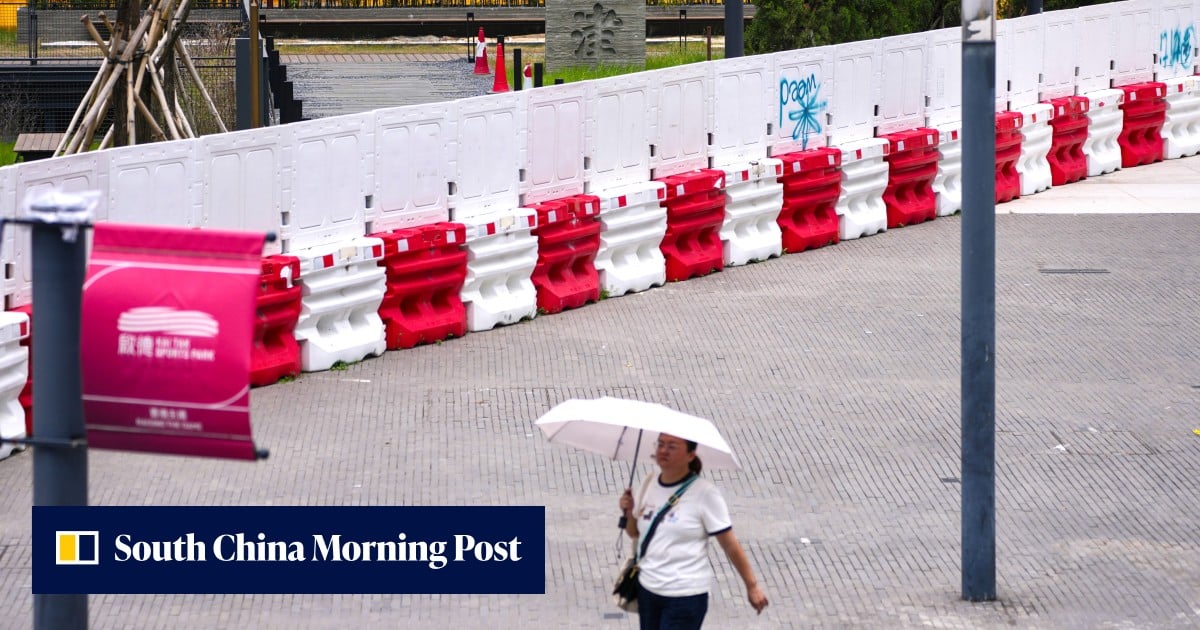
CRRC plans to use trackless, electric autonomous rapid transit (ART) buses to link Kai Tak to the wider city, at a lower cost than a metro or tram system, in a bid to win further projects in large metropolises outside China.
Imagine a city with special buses that can drive without a driver. These buses can take people to different places in the city without anyone having to control them. CRRC, a big company that makes trains, wants to use these buses in Hong Kong and other cities. They think it will be a good way to help people get around the city, but there are some problems they need to solve first.
Analysis
CRRC's Global Expansion Plans
CRRC's decision to use the former Kai Tak Airport site as a test bed for an autonomous bus system and a potential runway for overseas expansion is a strategic move to expand its global presence. The company aims to use trackless, electric autonomous rapid transit (ART) buses to link Kai Tak to the wider city, at a lower cost than a metro or tram system. This move is significant as it may help CRRC win further projects in large metropolises outside China. However, geopolitics and concerns over data and privacy may threaten to stymie the plans. CRRC must compete on more than just price to win trust and orders.
Autonomous Bus System
The ART system is a key component of CRRC's expansion plans. The system has been operating in Yibin, a city in southwestern Sichuan province, since 2018. On board one of the vehicles crossing downtown Yibin, Yang Tao, general manager of CRRC subsidiary Zhixing, the operator of the local ART system, commented on the system's potential. The ART system has the potential to revolutionize public transportation in Hong Kong and other cities. However, the system's success depends on various factors, including its ability to integrate with existing transportation systems and its capacity to handle large volumes of passengers.
Geopolitics and Data Privacy
Geopolitics and concerns over data and privacy may threaten to stymie CRRC's plans. The company must navigate complex geopolitical relationships and address concerns over data and privacy to succeed. CRRC must demonstrate its ability to protect data and ensure the security of its systems to win trust and orders. The company's success depends on its ability to balance its business goals with its social and environmental responsibilities.
Key points
- CRRC plans to use trackless, electric autonomous rapid transit (ART) buses to link Kai Tak to the wider city.
- The ART system has the potential to revolutionize public transportation in Hong Kong and other cities.
- Geopolitics and concerns over data and privacy may threaten to stymie CRRC's plans.
If CRRC's plans for an autonomous bus system in Hong Kong are successful, it may help the company win further projects in large metropolises outside China. This could lead to the widespread adoption of autonomous public transportation systems, revolutionizing the way people get around cities.
However, geopolitics and concerns over data and privacy may threaten to stymie CRRC's plans. The company must navigate complex geopolitical relationships and address concerns over data and privacy to succeed. If CRRC fails to address these concerns, its plans may be derailed.