Trump administration floats tariffs on 60 trading partners — including China, U.K., EU — after forced labor probes
The administration proposed tariffs of 10% or more on 60 trading partners tied to forced-labor concerns, with some rates set at 12.5%. The plan still must clear a comment process.
Intelligence analysis by GPT-5.4 Mini
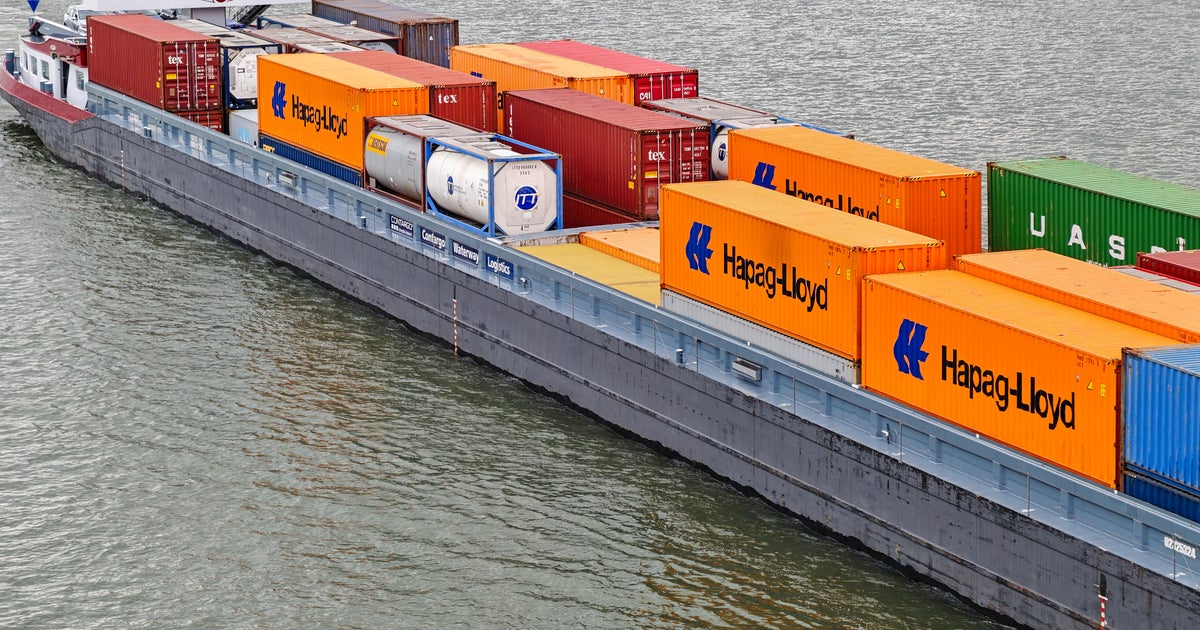
The Trump administration is trying to rebuild its tariff regime after earlier duties were struck down, this time using Section 301 investigations tied to forced labor allegations. The proposal targets major U.S. trading partners and could reshape import costs if it survives the comment process and any legal challenge.
The U.S. wants to charge extra fees on goods from many countries because it says some of those goods may be made with forced labor. It is like putting a toll on certain trucks at the border so the government can try to change how trade works.
Analysis
What the administration proposed
The U.S. Trade Representative’s office said it is planning new tariffs on 60 trading partners that it says have failed to enforce rules against imports made with forced labor. Most of the countries on the list would face a proposed 12.5% tariff on U.S. imports, including China, Japan, South Korea, and Brazil. A lower 10% rate would apply to 16 partners, including the United Kingdom, Canada, Mexico, the European Union, Taiwan, and Argentina, which the office says are taking some steps or have made commitments.
How this fits the broader tariff fight
The proposal is part of President Trump’s effort to restore tariff powers after the Supreme Court struck down his earlier country-by-country tariffs in February. The earlier system had been justified under an emergency powers law, but the court said that law did not authorize tariffs. The new plan uses Section 301 of the Trade Act of 1974, which lets the government investigate unfair trade practices and then impose tariffs or other restrictions.
What the government says the tariffs are for
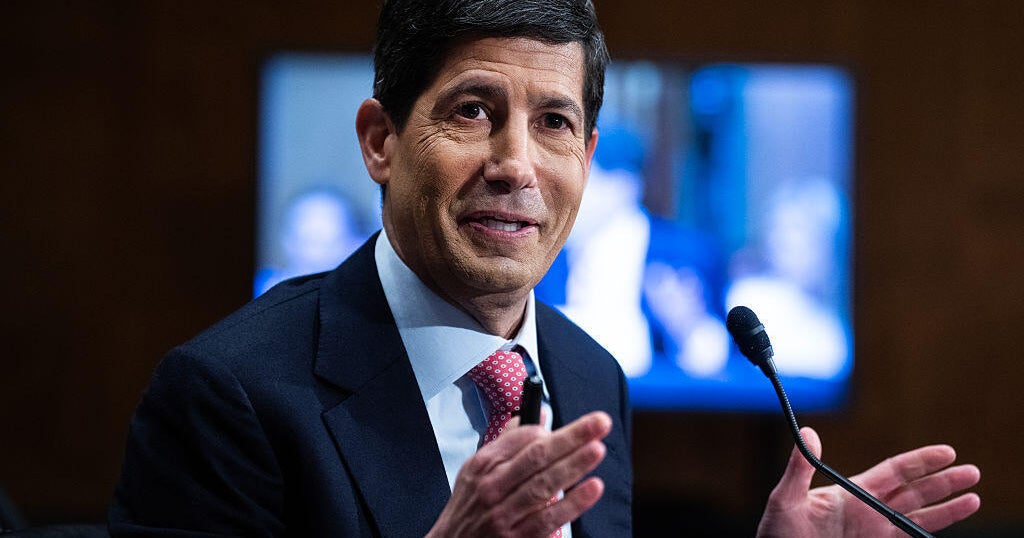
U.S. Trade Representative Jamieson Greer said the measure is needed because many trading partners do not have strong bans on imports made with forced labor. His office argues that this gives foreign firms an unfair cost advantage and leaves U.S. companies competing on what Greer called an "unlevel playing field."
Practical limits and possible effects
The tariffs are not final yet. They still must go through a comment process before taking effect. The announcement also includes some exemptions, such as beef, tomatoes, and coffee, and the office said it is considering a textile rule that would reduce some tariffs if countries import an equal amount of American textiles. Economists have long warned that tariffs can raise prices and slow growth, so the policy could help trade enforcement while also adding pressure to import costs.
Key points
- The Trump administration proposed tariffs of 10% or more on 60 trading partners over forced-labor enforcement concerns.
- Most of the listed countries face a proposed 12.5% rate, while 16 partners, including the U.K., Canada, Mexico, and the EU, would face 10%.
- The move uses Section 301 of the Trade Act of 1974 after the Supreme Court struck down earlier tariffs imposed under emergency powers.
- Some products, including beef, tomatoes, and coffee, would be exempt.
- The tariffs are not final and must go through a comment process before taking effect.
If the proposal survives review, it could give the administration a more durable way to pressure trading partners on forced-labor enforcement. It could also push countries to tighten their import rules and narrow the cost advantage of companies that rely on forced labor.
The tariffs could raise costs for U.S. importers and, eventually, consumers, especially because economists warn tariffs often feed higher prices. The plan could also face legal or political pushback, and it is still only a proposal pending the comment process.