Trump says Iran has not agreed to a U.S. deal because ‘they’re strong, they’re proud’
Trump said Iran is resisting a deal because its leaders are “strong” and “proud,” but he expects an agreement eventually.
Intelligence analysis by GPT-5.4 Mini
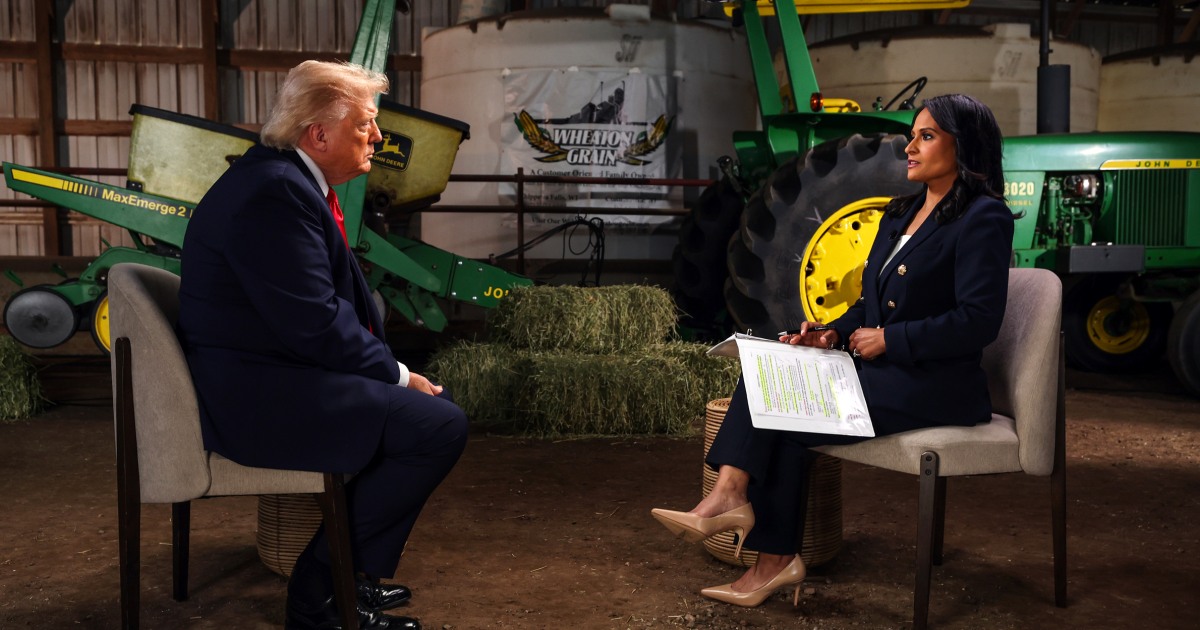
NBC News reports Trump arguing that Iran will ultimately have to accept a deal with the U.S., even if negotiations are slow because Tehran is resisting under pressure. The story links the diplomacy to the wider war, recent strikes near the Strait of Hormuz, and rising oil and gas prices.
Trump says Iran is acting like a proud kid who does not want to give up in a long argument, but he thinks it will have to make a deal anyway. The fight is also hurting fuel prices, like a blocked highway making everyone wait longer and pay more.
Analysis
What Trump said
In a sit-down interview with NBC News’ Meet the Press, Trump said Iranian leaders have not agreed to a U.S. deal because they are “strong” and “proud,” but he argued they have “no choice” and will eventually have to make concessions. He pushed back on criticism that the administration should move faster, saying these negotiations take time.
Wider context
The comments come as the U.S. and Iran continue trying to end a war that entered its fourth month last week. The countries agreed to a ceasefire in April, and that truce has been extended several times, but tensions rose again after U.S. and Iranian strikes near the Strait of Hormuz. Secretary of State Marco Rubio told House lawmakers that the military operation the administration calls “Operation Epic Fury” had concluded, and said the latest strikes were defensive responses to Iranian attacks on ships near the strait.
The article says Iran’s closure of the Strait of Hormuz months ago helped drive oil prices higher around the world and pushed up gas prices in the U.S., increasing pressure on Trump and Republican leaders. Trump said the U.S. has “totally destroyed” Iran’s military capacity, though he acknowledged Iran still has missiles and drones. He also said the war was necessary to stop Iran from building a nuclear weapon, and he suggested in another interview that he may soon have to decide whether to sign a deal or take “the other way.”
Key points
- Trump said Iran has not agreed to a U.S. deal because its leaders are “strong” and “proud,” but he believes they ultimately have no choice.
- The U.S. and Iran have been negotiating while a war that began with U.S. and Israeli strikes on Iran continues.
- Tensions flared again after both sides traded strikes near the Strait of Hormuz.
- The article says the strait’s closure helped drive up oil prices globally and gas prices in the U.S.
- Trump said Iran still has some missiles and drones, even after U.S. attacks on its military infrastructure.
If talks keep moving, the U.S. and Iran could reach a deal that lowers the chance of more strikes and keeps the ceasefire from collapsing. A stable agreement could also help calm oil markets and ease pressure on gas prices in the U.S.
If negotiations stall, the ceasefire could unravel and the exchange of strikes around the Strait of Hormuz could intensify again. Continued disruption to shipping would likely keep energy prices elevated and add more pressure on the administration.