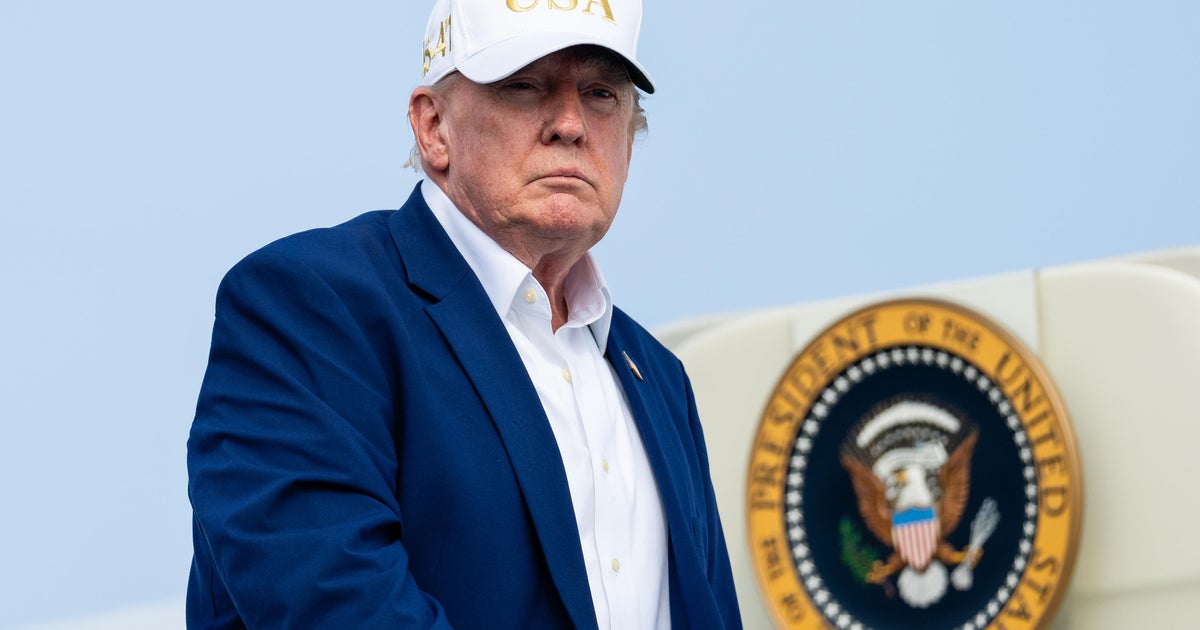
Trump says U.S. has 'total control' over Strait of Hormuz and might 'keep it'
President Trump claims the U.S. has 'total control' over the Strait of Hormuz, a claim disputed by Iran, as ships hesitate to pass through the waterway. The number of vessels transiting the strait has fallen to a one-week low of eight.
Intelligence analysis by Llama
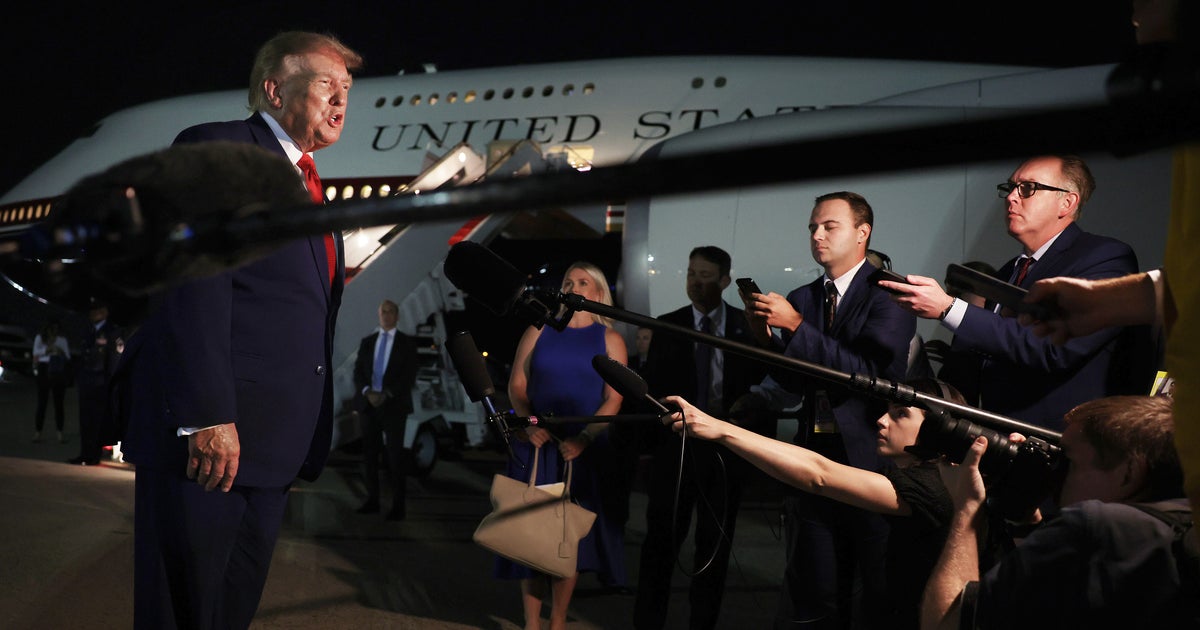
President Trump claims the U.S. has 'total control' over the Strait of Hormuz, a claim disputed by Iran, as ships hesitate to pass through the waterway.
Imagine a super important waterway that connects two big bodies of water. This waterway is like a highway for oil tankers, and if it gets blocked, it can cause big problems for the world's economy. Right now, there's a dispute between the U.S. and Iran about who controls this waterway. The U.S. says it has 'total control,' but Iran disagrees. This has led to fewer ships passing through the waterway, which is a big deal.
Analysis
Strait of Hormuz: A Vital Waterway Under Tension
The Strait of Hormuz, a narrow waterway connecting the Persian Gulf to the Gulf of Oman, is a critical chokepoint for global oil trade. With over 20% of the world's oil passing through the strait, any disruption to its flow can have far-reaching consequences for the global economy. The recent claim by President Trump that the U.S. has 'total control' over the strait has sparked a heated debate with Iran, which disputes this assertion. The tension between the two nations has led to a significant decrease in the number of vessels transiting the strait, with only eight ships passing through in the past week. This decline is a stark contrast to the pre-war average of 130 ships per day. The dispute over control of the Strait of Hormuz is not just a matter of national pride, but also has significant implications for global trade and security. The strait's importance extends beyond its role as a critical oil transit point, as it also serves as a key route for international trade and commerce. The recent escalation of tensions between the U.S. and Iran has raised concerns about the potential for conflict in the region, which could have devastating consequences for global trade and security.
Houthi Rebels: A Growing Threat in the Red Sea
The recent attack by Houthi rebels on a vessel in the Red Sea has highlighted the growing threat posed by these Iran-backed militants. The attack, which resulted in the deaths of six people, has raised concerns about the potential for further violence in the region. The Houthi rebels have been active in the Red Sea for several years, and their attacks have had a significant impact on regional security. The recent escalation of tensions between the U.S. and Iran has raised concerns about the potential for further violence in the region, which could have devastating consequences for global trade and security.
Lebanon and Israel: A Fragile Peace
The recent framework deal between Lebanon and Israel has raised hopes for a lasting peace in the region. The deal, which involves the disarmament of Hezbollah and a gradual withdrawal of Israeli forces from south Lebanon, has been hailed as a major breakthrough. However, the implementation of the deal remains a significant challenge, and the region remains fragile and volatile. The recent escalation of tensions between the U.S. and Iran has raised concerns about the potential for further violence in the region, which could have devastating consequences for global trade and security.
Key points
- President Trump claims the U.S. has 'total control' over the Strait of Hormuz, a claim disputed by Iran.
- The number of vessels transiting the strait has fallen to a one-week low of eight.
- The dispute over control of the Strait of Hormuz has significant implications for global trade and security.
- The Houthi rebels have been active in the Red Sea for several years and have had a significant impact on regional security.
- The recent framework deal between Lebanon and Israel has raised hopes for a lasting peace in the region.
If the U.S. and Iran can find a way to resolve their differences and agree on who controls the Strait of Hormuz, it could lead to a significant decrease in tensions in the region. This, in turn, could lead to an increase in trade and commerce, which would be a positive development for the global economy.
If the dispute over the Strait of Hormuz continues to escalate, it could lead to a significant increase in violence in the region. This, in turn, could lead to a decrease in trade and commerce, which would have devastating consequences for the global economy.