Trump threatens to bomb Oman if it gets in the way of US-Iran talks
Trump told Fox News the US will bomb Oman if it obstructs negotiations with Iran, as the Strait of Hormuz stays largely shut six months into the war. The June 18 ceasefire understanding has effectively collapsed.
Intelligence analysis by Llama
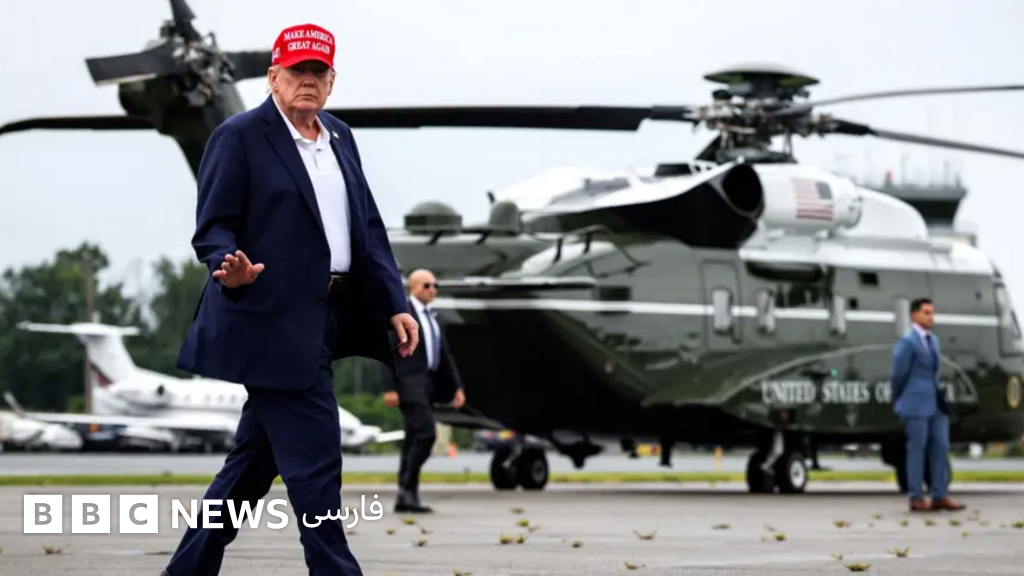
President Trump warned Fox News the US will bomb Oman if Muscat interferes in its talks with Tehran, hours after Iran announced a near-deal with Oman to reopen the Strait of Hormuz. The June 18 ceasefire memorandum has collapsed and the 60-day framework is functionally over.
Imagine a giant water pipe that carries one out of every five oil trucks in the world. For six months, Iran has been blocking that pipe while fighting America. Now America's president says he will bomb Oman, a country trying to help fix the problem, if it slows him down. That makes a bad situation even more dangerous.
Analysis
The Strait of Hormuz Blockade
About one-fifth of the world's oil and liquefied natural gas normally transits the Strait of Hormuz, making it the single most consequential energy chokepoint on the planet. Since the US and Israel struck Iran in February, Tehran has largely sealed the passage, and BBC Persian reports it has been mostly closed for nearly six months. Iran told Reuters it now wants 5 to 7 percent of the value of any cargo that does pass through, effectively turning the strait into a toll road and giving Tehran a financial lever even as its conventional war footing weakens. For importing economies in Asia and Europe, the closure has meant higher tanker insurance, longer routes around Africa, and persistent fuel-price pressure. For Washington, the strait's paralysis is both a strategic and an electoral liability, which is why reopening it has stayed at the center of every diplomatic track even as the broader war grinds on.
The June 18 Understanding
The memorandum signed on June 18 was meant to deliver a ceasefire and at least a partial reopening of the waterway, but the deal unraveled within weeks as both sides resumed strikes. By July 17 Trump declared the ceasefire finished and called further talks a "waste of time"; a day later Iran's deputy foreign minister, Kazem Gharibabadi, announced Tehran was suspending all of its commitments under what officials have dubbed the Islamabad memorandum, accusing Washington of fresh "aggressive actions." The collapse has left both governments in a peculiar limbo: they keep talking through Omani, Iraqi Kurdish, and reportedly back-channel IRGC contacts, but without a live framework to negotiate inside. Trump's "no timeline, no rush" framing suggests he believes time is on Washington's side, while Iran's demand for compensation before any full reopening points to a position of hardened leverage.
Oman Bombing Threat
Oman sits on the southern shore of the strait and has tried to play honest broker despite absorbing several Iranian attacks during the conflict. Trump's threat to bomb a long-standing US ally, delivered in vulgar language to Fox News correspondent Trey Yingst, signals that Washington now treats any third-party mediation that delays its preferred outcome as a hostile act. The threat came the same day Iranian Foreign Ministry spokesman Esmaeil Baghaei announced that Tehran and Muscat had reached an understanding on shipping routes, with a joint statement expected once details are finalized. That timing, and Iranian Foreign Minister Abbas Araghchi's insistence that full reopening requires US compensation, hints at a race between an Oman-led incremental deal and a Trump-preferred maximalist settlement. Bombing Muscat would shatter Gulf cooperation on the blockade, push Oman fully into Iran's camp, and likely close off the only diplomatic channel still actually moving.
Key points
- Trump told Fox News the US will bomb Oman if it obstructs Washington's negotiations with Tehran, using vulgar language per correspondent Trey Yingst
- The Strait of Hormuz has been mostly closed for nearly six months since the US-Israel attack on Iran in February, disrupting about a fifth of global oil and LNG flows
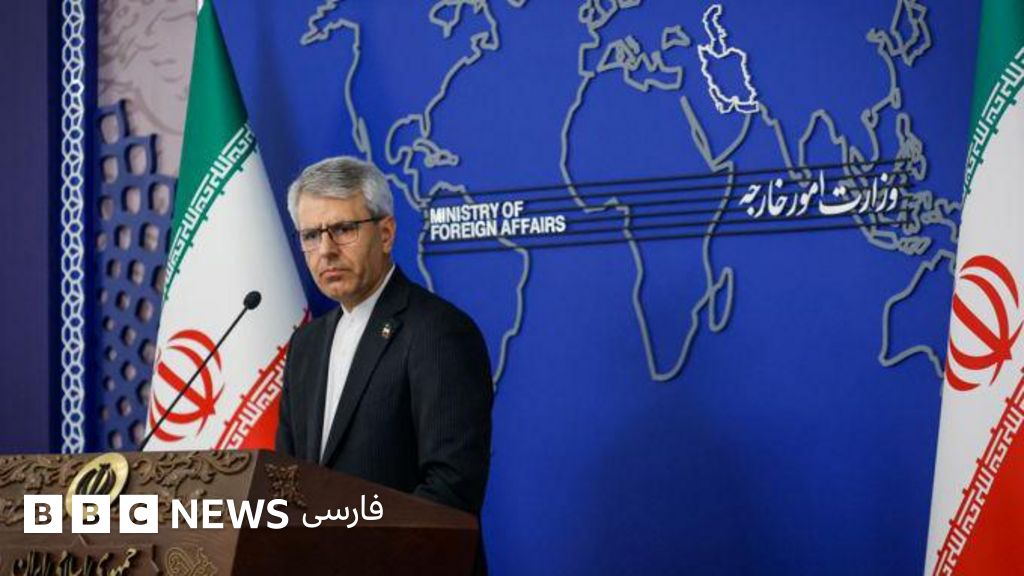
- Iran's Foreign Ministry spokesman Esmaeil Baghaei said Tehran and Muscat have reached an understanding on shipping routes, with a joint statement expected
- The June 18 ceasefire memorandum has collapsed, and Iran's deputy FM Kazem Gharibabadi announced Tehran is suspending all commitments under the so-called Islamabad memorandum
- Trump claimed a direct secret communication channel with the IRGC, a claim denied by IRGC spokesman Hossein Mobeini but confirmed by Kurdistan Region spokesperson Delshad Shahab
If Trump's threat pressures both sides back to a serious table, the Oman-mediated shipping-route understanding announced by Esmaeil Baghaei could become the basis for a phased reopening, easing tanker insurance costs and global fuel prices. A workable compromise would also let Washington claim a win without a wider ground war.
Bombing a US ally would almost certainly collapse the Oman channel, push Muscat into Iran's camp, and harden Tehran's position on its 5 to 7 percent transit fee. With the June 18 memorandum already dead and no replacement framework, the strait could stay shut for months, lifting crude and LNG prices and pulling in regional actors from the Houthis to Iraq's Kurdish corridor.
Market signals
- OIL The Strait of Hormuz, which handles about a fifth of global oil and LNG, remains largely closed six months into the war and Trump is threatening to bomb a mediator, raising the risk of further supply disruption.
- XAU Escalating US-Iran hostilities, a threatened strike on a Gulf ally, and the collapse of the June 18 ceasefire all reinforce safe-haven demand for gold.
AI-generated analysis of potential market relevance. Not financial advice.