Trump to announce $700 million investment in coal plants and California export terminal
Trump plans $700 million for coal plants and a California export terminal, including new DOE grants for two plants and a restart in Maryland.
Intelligence analysis by GPT-5.4 Mini
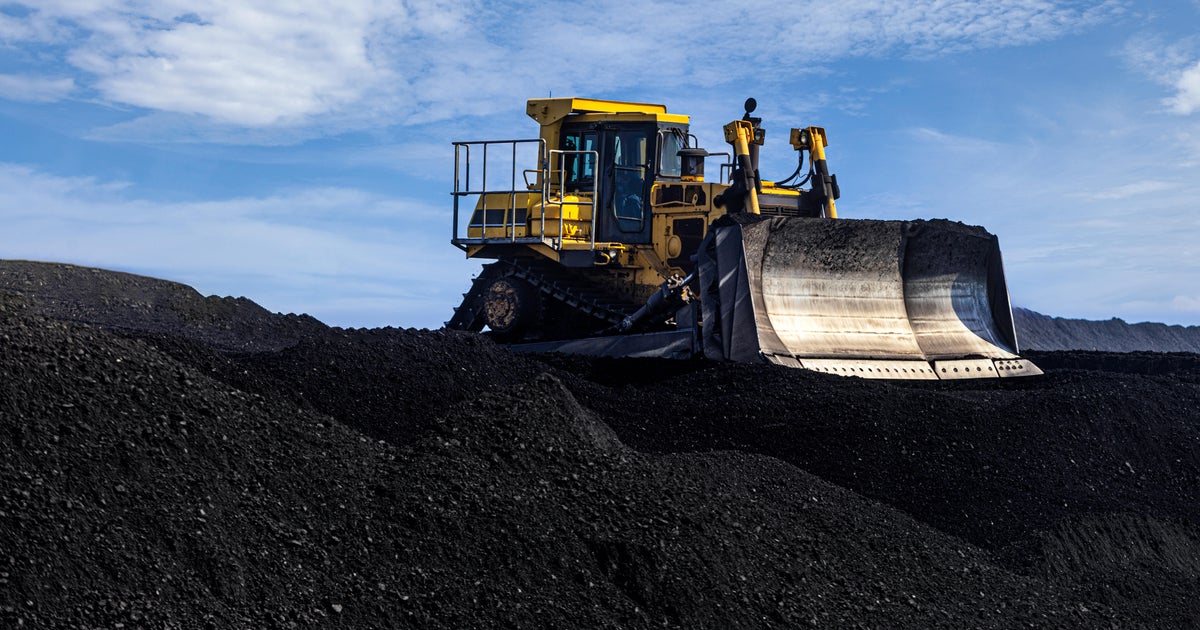
The Trump administration is preparing a major coal-focused spending package, using emergency powers and Energy Department grants to support existing plants, new plants, and a coal export terminal. The move doubles down on fossil fuels even as environmental groups warn it will raise pollution and costs.
The White House wants to spend a lot of money to help old coal plants and even build new ones. It is like giving a struggling old car shop a big check instead of helping newer cleaner cars get on the road.
Analysis
What the administration plans
CBS News reports that President Trump is expected to announce $700 million in funding for coal plants and energy infrastructure during an Oval Office event themed "Beautiful, Clean Coal." According to a White House official, the package includes $75 million for a new coal export terminal in Oakland, California, and $425 million to support 13 existing plants across 10 states.
The report says Trump will invoke the Defense Production Act, a Cold War-era law that gives the president emergency authority over domestic industries, to help distribute the money. The administration also plans nearly $200 million in Energy Department grants to build two new coal plants in Alaska and West Virginia and to restart a coal plant in Maryland. CBS News says the Alaska and West Virginia facilities would be the first new coal plants built in the U.S. since 2013.
The political and energy backdrop
The announcement fits Trump’s broader effort to boost fossil fuel production in his second term. CBS News says his administration has moved to speed up oil and mining projects, open new drilling sites, and keep some fossil-fueled power plants running past retirement dates to meet demand.
The article also places the plan against a shifting global energy picture. It cites Ember data showing record growth in solar generation and strong growth in wind in the first half of 2025, while fossil fuel generation dipped slightly. In the U.S., coal’s role has shrunk over time: CBS News says it accounted for 15% of energy production in 2024, down from 45% in 2010.
Pushback
Environmental groups quoted in the story say the plan would increase pollution, raise electricity costs, and subsidize a declining industry. The Sierra Club and the Natural Resources Defense Council both argue the administration is favoring polluters over the public interest.
Key points
- Trump is expected to announce $700 million in coal-related funding at a White House event.
- The package would use the Defense Production Act and Energy Department grants to support coal infrastructure.
- Money would go to a new export terminal in Oakland, 13 existing plants, and new or restarted plants in Alaska, West Virginia, and Maryland.
- The White House says the plan will create jobs and save consumers money, while critics say it will raise pollution and costs.
- CBS News notes coal’s share of U.S. energy production has fallen sharply over the past decade.
If the plan works as the administration says, it could keep power plants running, create jobs for miners, rail workers, engineers, and construction crews, and add more energy supply. The White House says it could also lower energy generation costs for consumers.
The article says critics expect more pollution and higher electricity prices, especially if taxpayer money is used to support an industry that has been shrinking for years. It could also deepen the gap between U.S. policy and the faster global shift toward solar and wind power.