Trump warns Iran is set to 'get a beating' as 5-month war expands
President Trump warned Iran will 'get a beating' as the US expands its war with Iran, with joint US-Saudi strikes on Iranian-backed forces in Iraq killing at least 20 people. The US military said it thwarted a 'surprise attack' by Iran targeting American forces in the reg…
Intelligence analysis by Llama
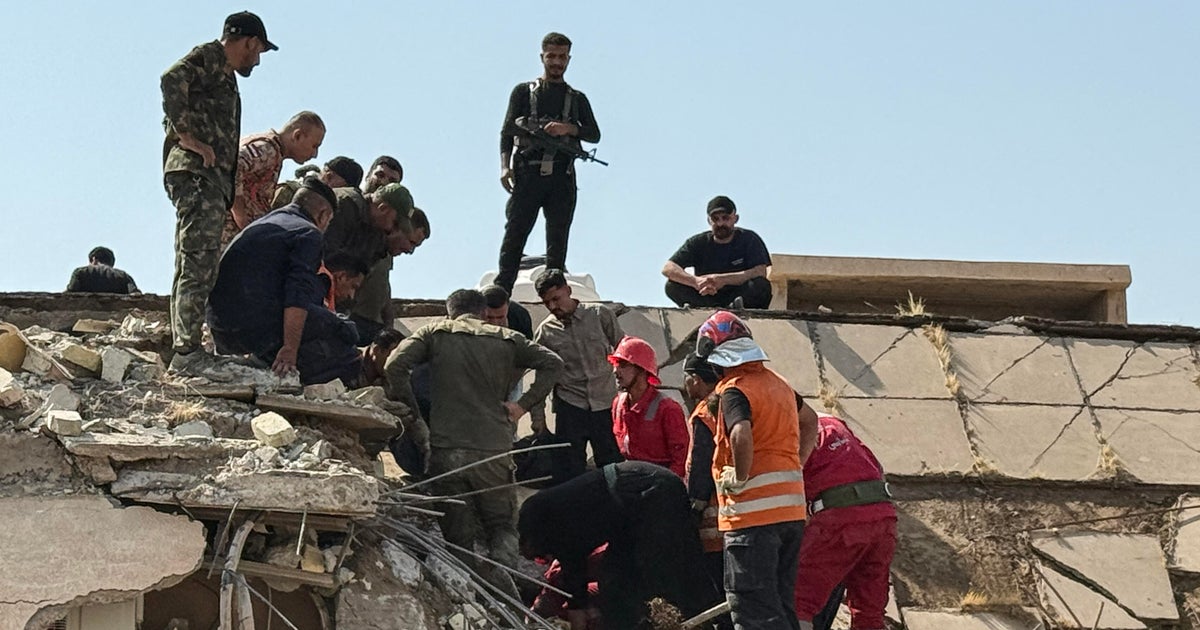
The US and Saudi Arabia have launched joint strikes on Iranian-backed forces in Iraq, killing at least 20 people, as the war between the two countries expands. President Trump has warned Iran will 'get a beating' in response to the attacks.
Imagine you're playing a game with your friend, and you both agree to follow the rules. But then your friend starts cheating and breaking the rules. That's kind of like what's happening between the US and Iran. The US is trying to stop Iran from cheating and breaking the rules, but Iran is not listening. The US and Saudi Arabia have launched joint strikes on Iranian-backed forces in Iraq, which has raised tensions and increased the risk of further conflict.
Analysis
A $60B Vote of Confidence
The US and Saudi Arabia's joint strikes on Iranian-backed forces in Iraq have sent a clear message to Iran that the US will not back down in the face of aggression. The strikes, which killed at least 20 people, are a significant escalation of the war between the two countries and have raised tensions in the region. The US has long been a key ally of Saudi Arabia, and the joint strikes are a clear demonstration of the strength of their relationship. The US has also imposed new sanctions on Iranian entities, targeting two insurance firms backed by the Islamic Revolutionary Guard Corps (IRGC). The sanctions are designed to cut off Iran's energy income and counter the Islamic Republic's efforts to exert control over commercial shipping and charge fees for use of the Strait of Hormuz. The US has also designated eight companies that it says operated vessels that have transported illicit Iranian crude oil and petrochemical products to China and the United Arab Emirates as part of Iran's 'shadow fleet' of tankers. The sanctions and joint strikes are a significant blow to Iran's economy and its ability to fund its military operations. The US has long been concerned about Iran's nuclear program and its support for extremist groups in the region, and the joint strikes and sanctions are a clear demonstration of the US's commitment to countering Iranian aggression. The escalating conflict between the US and Iran has significant implications for global oil prices and regional stability. The US and Saudi Arabia's joint strikes on Iranian-backed forces in Iraq have raised tensions and increased the risk of further conflict. The US has also imposed new sanctions on Iranian entities, targeting two insurance firms backed by the IRGC. The sanctions are designed to cut off Iran's energy income and counter the Islamic Republic's efforts to exert control over commercial shipping and charge fees for use of the Strait of Hormuz. The US has also designated eight companies that it says operated vessels that have transported illicit Iranian crude oil and petrochemical products to China and the United Arab Emirates as part of Iran's 'shadow fleet' of tankers. The sanctions and joint strikes are a significant blow to Iran's economy and its ability to fund its military operations. The US has long been concerned about Iran's nuclear program and its support for extremist groups in the region, and the joint strikes and sanctions are a clear demonstration of the US's commitment to countering Iranian aggression.
Why Cursor?
The escalating conflict between the US and Iran has significant implications for global oil prices and regional stability. The US and Saudi Arabia's joint strikes on Iranian-backed forces in Iraq have raised tensions and increased the risk of further conflict. The US has also imposed new sanctions on Iranian entities, targeting two insurance firms backed by the IRGC. The sanctions are designed to cut off Iran's energy income and counter the Islamic Republic's efforts to exert control over commercial shipping and charge fees for use of the Strait of Hormuz. The US has also designated eight companies that it says operated vessels that have transported illicit Iranian crude oil and petrochemical products to China and the United Arab Emirates as part of Iran's 'shadow fleet' of tankers. The sanctions and joint strikes are a significant blow to Iran's economy and its ability to fund its military operations. The US has long been concerned about Iran's nuclear program and its support for extremist groups in the region, and the joint strikes and sanctions are a clear demonstration of the US's commitment to countering Iranian aggression.
The Road Ahead
The escalating conflict between the US and Iran has significant implications for global oil prices and regional stability. The US and Saudi Arabia's joint strikes on Iranian-backed forces in Iraq have raised tensions and increased the risk of further conflict. The US has also imposed new sanctions on Iranian entities, targeting two insurance firms backed by the IRGC. The sanctions are designed to cut off Iran's energy income and counter the Islamic Republic's efforts to exert control over commercial shipping and charge fees for use of the Strait of Hormuz. The US has also designated eight companies that it says operated vessels that have transported illicit Iranian crude oil and petrochemical products to China and the United Arab Emirates as part of Iran's 'shadow fleet' of tankers. The sanctions and joint strikes are a significant blow to Iran's economy and its ability to fund its military operations. The US has long been concerned about Iran's nuclear program and its support for extremist groups in the region, and the joint strikes and sanctions are a clear demonstration of the US's commitment to countering Iranian aggression.
Key points
- The US and Saudi Arabia have launched joint strikes on Iranian-backed forces in Iraq, killing at least 20 people.
- The US has imposed new sanctions on Iranian entities, targeting two insurance firms backed by the IRGC.
- The sanctions are designed to cut off Iran's energy income and counter the Islamic Republic's efforts to exert control over commercial shipping and charge fees for use of the Strait of Hormuz.
- The US has also designated eight companies that it says operated vessels that have transported illicit Iranian crude oil and petrochemical products to China and the United Arab Emirates as part of Iran's 'shadow fleet' of tankers.
The US and Saudi Arabia's joint strikes on Iranian-backed forces in Iraq may have sent a clear message to Iran that the US will not back down in the face of aggression. If Iran is forced to back down, it could lead to a reduction in tensions and a decrease in the risk of further conflict. Additionally, the US has imposed new sanctions on Iranian entities, which could further weaken Iran's economy and its ability to fund its military operations.
The escalating conflict between the US and Iran has significant implications for global oil prices and regional stability. The US and Saudi Arabia's joint strikes on Iranian-backed forces in Iraq have raised tensions and increased the risk of further conflict. If the conflict continues to escalate, it could lead to a significant increase in oil prices and a destabilization of the region.