Two Mumbai women have rare stomach cancer that mimics ovarian tumour: What not to miss
Two Mumbai women have been diagnosed with rare stomach cancer that mimics ovarian tumour, highlighting the importance of distinguishing between the two conditions for timely and appropriate treatment.
Intelligence analysis by Llama
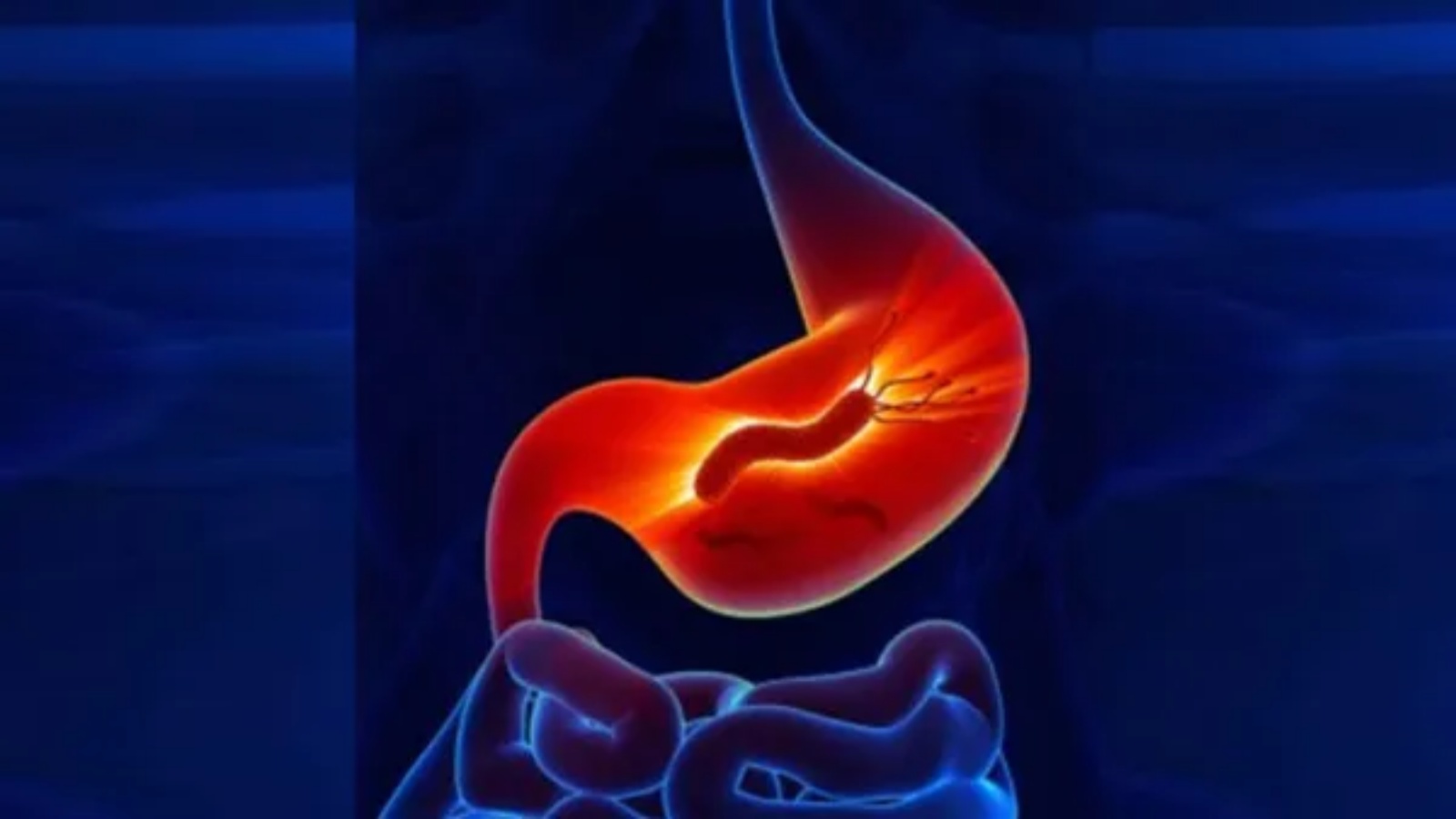
A recent case report highlights Krukenberg tumours, a rare form of metastatic stomach cancer that can masquerade as ovarian cancer, delaying diagnosis and treatment. The condition is particularly difficult to diagnose due to overlapping symptoms with primary ovarian cancer and common gastrointestinal and gynaecological disorders.
Imagine your stomach is like a big bag that digests food. Sometimes, bad cells can grow in the stomach and spread to other parts of the body, like the ovaries. This is called metastatic cancer. It's like a fire that starts in one place and spreads to other areas. Doctors need to find the original fire in the stomach to treat it properly.
Analysis
A Rare and Aggressive Form of Metastatic Cancer
Krukenberg tumours are a rare and aggressive form of metastatic ovarian cancer in which malignant cells spread to one or both ovaries from another organ, most often the stomach. Less commonly, the primary cancer arises in the colon, appendix, pancreas, or breast. Krukenberg tumours account for only 1-2 per cent of all ovarian tumours and are seen more often in women of reproductive age, although they can occur at any age.
Symptoms Often Mask the Underlying Disease
The condition is particularly difficult to diagnose because its symptoms overlap with those of primary ovarian cancer as well as several common gastrointestinal and gynaecological disorders. Patients may experience abdominal pain, bloating, irregular menstrual cycles, loss of appetite, unexplained weight loss, early satiety, or changes in bowel habits. Delayed diagnosis is common because the symptoms are non-specific and the primary stomach cancer often progresses silently before spreading.
Diagnosis and Treatment
Although ultrasound and CT scans can detect ovarian masses, they cannot reliably establish where the cancer originated. Doctors often need endoscopy, tissue biopsy, and specialised pathological testing to identify the primary tumour. This distinction directly influences treatment. Surgery may be required to remove ovarian tumours or relieve symptoms, but management is centred on the primary stomach cancer. Patients are typically treated with chemotherapy used for advanced gastric cancer, while targeted therapies or immunotherapy may be considered in selected cases based on the tumour's molecular profile.
Key points
- Krukenberg tumours are a rare and aggressive form of metastatic ovarian cancer.
- The condition is difficult to diagnose due to overlapping symptoms with primary ovarian cancer and common gastrointestinal and gynaecological disorders.
- Early identification of the primary tumour is crucial for timely and appropriate treatment.
- Surgery and chemotherapy are common treatment options for Krukenberg tumours.
Early identification of the primary tumour could help ensure timely, appropriate treatment, improving the chances of survival and quality of life for patients with Krukenberg tumours.
Delayed diagnosis and treatment of Krukenberg tumours can lead to poorer prognosis and reduced survival rates, highlighting the need for increased awareness and prompt evaluation of ovarian masses in women presenting with persistent symptoms.