UK plastic manufacturer could face legal action over toxic emissions
Huntsman Polyurethanes in Teesside, UK, faces potential legal action from the Environment Agency over emissions of carcinogenic benzene. The company replaced a process reducing benzene emissions with an alternative that periodically paused, leading to direct air emissions.
Intelligence analysis by Gemini 2.5 Flash Lite
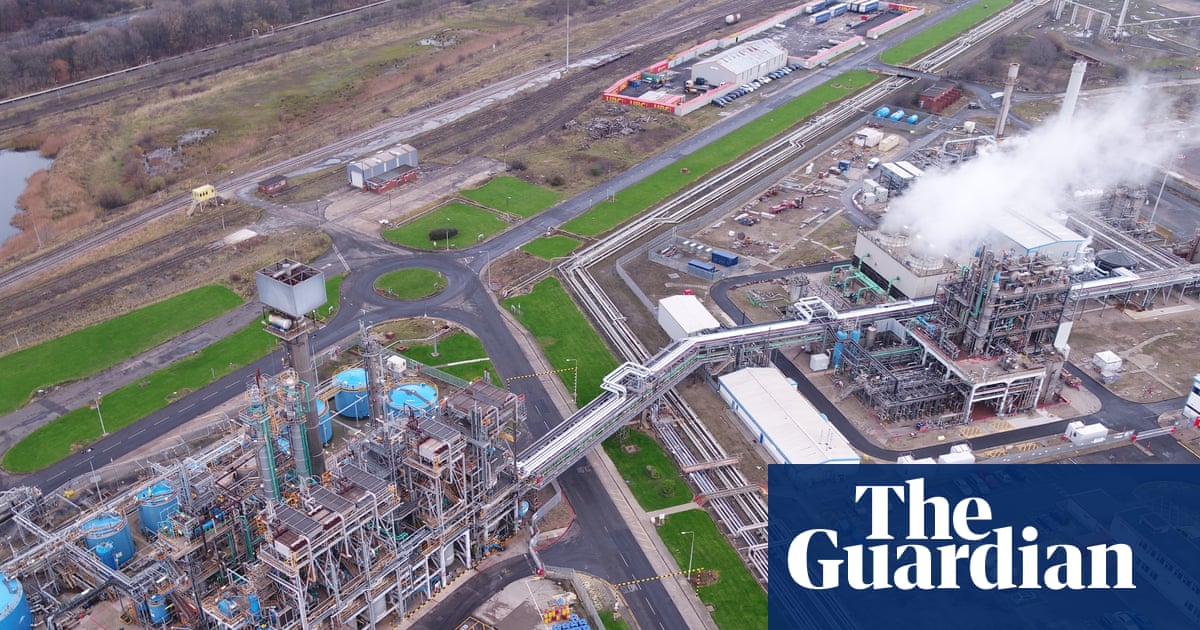
The Environment Agency is considering legal action against Huntsman Polyurethanes for allegedly breaching its license by emitting carcinogenic benzene. Campaigners highlight this as an example of the plastics industry's toxic nature, with concerns for workers and the local community.
Imagine a factory that makes plastic chemicals. It accidentally lets out a gas called benzene, which is like a super-sneaky germ that can make people sick with cancer, and there's no safe amount of it. The grown-ups who watch over factories are looking into whether this factory broke the rules by letting too much of the gas out, and if they should get in trouble.
Analysis
Benzene Emissions and Regulatory Scrutiny
The Environment Agency (EA) is evaluating legal action against Huntsman Polyurethanes in Teesside, UK, due to concerns over the emission of benzene, a known human carcinogen. The company, a significant player in the global chemical products market with substantial revenues, reportedly replaced a process that previously mitigated benzene air emissions with an alternative system. However, this new system has been observed to "periodically pause," leading to direct emissions of benzene into the atmosphere. This situation has drawn criticism from environmental groups, who argue that it exposes both the local community and factory workers to significant health risks.
Environmental Permit Breaches and Health Impacts
Documents from the EA indicate that the agency was aware of the issue in 2023 but did not initiate an investigation until the current year. During this period, benzene emissions from the site reportedly increased from 13 tonnes in 2022 to 17 tonnes in 2024. Benzene is classified as a carcinogen by the World Health Organization, with no safe level of exposure established. An EA inspection report from March noted multiple permit breaches related to these emissions, stating that "deficiencies in the management system will cause multiple emissions, that when agglomerated, may result in a significant impact on the environment or human health until resolved." Failure to comply with an environmental permit is considered a criminal offense.
Conflicting Assessments and Expert Opinions
Huntsman has asserted that its benzene emissions are legal and comply with permit conditions. However, the EA has stated it is considering further enforcement action and has informed public health and safety bodies. Modeling commissioned by the EA following instructions to assess the impact of the emissions revealed "significant" breaches of legally binding air quality standards in all scenarios, with one predicting a 933% exceedance of the 24-hour limit. Despite this, the EA's internal review suggested that predicted environmental concentrations remain below relevant standards and do not pose a significant risk to local sites like schools. Environmental scientists, however, have voiced strong concerns, describing the emissions as "very significant" and criticizing the EA's response as slow and overly lenient, suggesting a "laissez-faire" approach to managing hazardous chemical risks.
Key points
- Huntsman Polyurethanes in Teesside faces potential legal action over carcinogenic benzene emissions.
- The Environment Agency is investigating alleged breaches of environmental permits.
- Emissions increased after a process change, with concerns about periodic pauses in abatement systems.
- Modeling indicated significant breaches of air quality standards, though the EA's internal review downplayed immediate risks.
- Environmental scientists have criticized the EA's slow response and the company's emission levels.
If Huntsman rectifies its emission control systems and demonstrates a commitment to stringent environmental compliance, it could set a positive precedent for the industry. This could lead to improved air quality in the Teesside region and reinforce public trust in regulatory bodies' ability to manage industrial risks effectively.
Continued or inadequately addressed benzene emissions could lead to long-term health consequences for the local population and workers, potentially resulting in significant legal liabilities and reputational damage for Huntsman. The EA's assessment of 'not insignificant' risks suggests that even if not posing an immediate severe threat, the ongoing emissions represent a failure in environmental stewardship.