Under fire on Capitol Hill: Hegseth faces bipartisan scrutiny over Iran war
US Defense Secretary Pete Hegseth came under intense bipartisan scrutiny during a contentious Senate Appropriations Committee hearing as lawmakers challenged the Trump administration's strategy in the war against Iran, questioned the rapidly escalating financial and human…
Intelligence analysis by Llama

US Defense Secretary Pete Hegseth faced bipartisan scrutiny over the Trump administration's strategy in the war against Iran, with lawmakers questioning the financial and human costs of the conflict and demanding greater transparency over the Pentagon's long-term objectives.
The US Defense Secretary, Pete Hegseth, is in trouble because some lawmakers are questioning the US's strategy in a war against Iran. They want to know how the US plans to win the war and how much it will cost. The war has already cost a lot of money and some US soldiers have been hurt or killed.
Analysis
A $60B Vote of Confidence
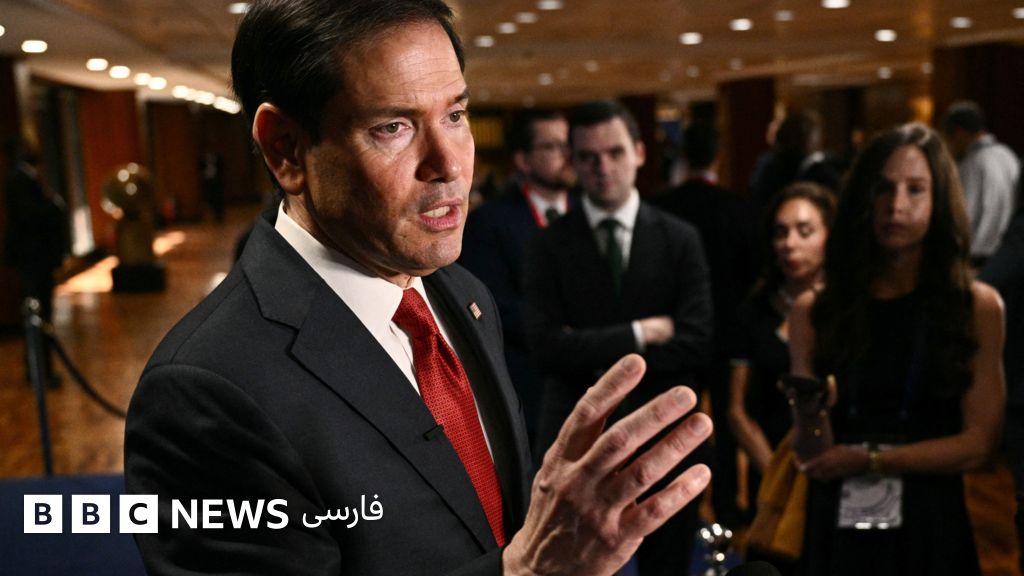
The US Defense Secretary Pete Hegseth came under intense bipartisan scrutiny during a contentious Senate Appropriations Committee hearing as lawmakers challenged the Trump administration's strategy in the war against Iran, questioned the rapidly escalating financial and human costs of the conflict, and demanded greater transparency over the Pentagon's long-term objectives. The hearing, which was one of the administration's toughest congressional examinations since the conflict began, saw Hegseth defend President Donald Trump's emergency supplemental funding request, arguing that additional resources were essential to sustain military operations and replenish US weapons stockpiles.
Why Cursor?
The hearing quickly evolved into one of the administration's toughest congressional examinations since the conflict began, with lawmakers questioning whether the administration had presented a coherent strategy for the conflict. Democratic Senator Gary Peters delivered one of the hearing's sharpest exchanges, accusing Hegseth of failing to explain how the United States intended to conclude the war or define success. Peters argued that military operations appeared increasingly disconnected from clearly articulated political objectives, warning that the country risked becoming trapped in another prolonged Middle Eastern conflict.
The Road Ahead
The hearing came only days after the Pentagon confirmed additional US military casualties, increasing political pressure on the administration. According to Defense Department figures presented during the hearing, 17 American service members have now been killed since the conflict began, while more than 100 troops have been wounded. Combined with the sharply rising financial burden, lawmakers questioned whether the administration had realistically assessed the long-term costs of the campaign.
Key points
- US Defense Secretary Pete Hegseth faced bipartisan scrutiny over the Trump administration's strategy in the war against Iran.
- Lawmakers questioned the financial and human costs of the conflict and demanded greater transparency over the Pentagon's long-term objectives.
- The hearing highlighted growing concerns among lawmakers that the administration has not provided sufficient information to justify the continued military operations.
- The Pentagon confirmed additional US military casualties, increasing political pressure on the administration.
- Lawmakers questioned whether the administration had realistically assessed the long-term costs of the campaign.
If the administration can provide a clear strategy for winning the war and a realistic assessment of the costs, it may be possible to gain bipartisan support for the funding request. However, the hearing highlighted growing concerns among lawmakers that the administration has not provided sufficient information to justify the continued military operations.
The hearing also highlighted the risk of the US becoming trapped in another prolonged Middle Eastern conflict, which could have significant human and financial costs. If the administration is unable to provide a clear strategy for winning the war and a realistic assessment of the costs, it may be difficult to gain bipartisan support for the funding request.