U.S. and Canada trade war intensifies with new tariffs
The U.S. is imposing 50 percent tariffs on various Canadian goods after trade talks between the two countries collapsed. NBC News' Yamiche Alcindor breaks down what this means for Americans' wallets.
Intelligence analysis by Llama
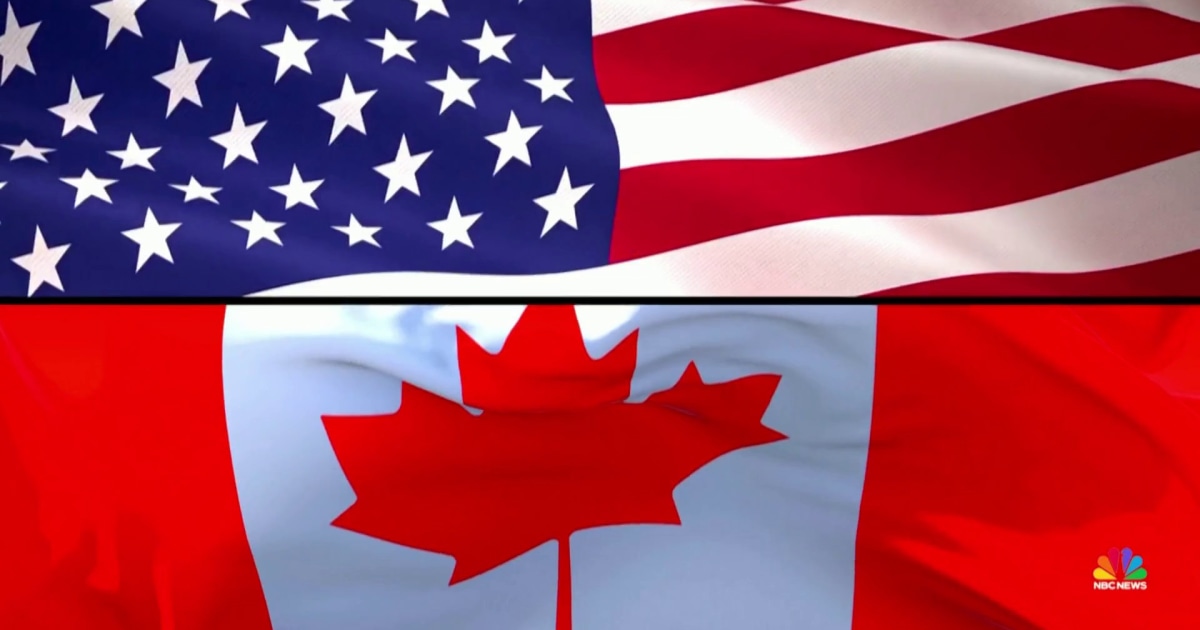
The U.S. has imposed 50 percent tariffs on various Canadian goods after trade talks between the two countries collapsed. This move is expected to impact Americans' wallets, and NBC News' Yamiche Alcindor explains the implications.
Imagine you're buying a toy from Canada, and the U.S. government puts a special tax on it. This tax makes the toy more expensive for you. The U.S. is doing this to protect its own industries and jobs, but it might make things harder for American consumers. It's like a big trade game where countries try to get the best deal for themselves.
Analysis
Tariff Impact on Americans' Wallets
The U.S. imposing 50 percent tariffs on various Canadian goods is a significant development in the ongoing trade war between the two countries. NBC News' Yamiche Alcindor breaks down what this means for Americans' wallets. The tariffs are expected to increase the cost of goods imported from Canada, which could lead to higher prices for American consumers. This move is a response to the collapse of trade talks between the U.S. and Canada, which had been ongoing for several months. The tariffs are a protectionist measure aimed at protecting American industries and jobs. However, the impact on Americans' wallets is a concern, as higher prices could lead to reduced consumer spending and economic growth. The U.S. trade deficit with Canada is a significant issue, and the tariffs are an attempt to address this imbalance. However, the tariffs could also lead to retaliatory measures from Canada, which could further escalate the trade war. The implications of the tariffs on Americans' wallets are significant, and it is essential to monitor the situation closely. The U.S. and Canada trade war is a complex issue, and the tariffs are just one aspect of the broader trade tensions between the two countries. The impact on Americans' wallets is a concern, but it is also essential to consider the broader economic implications of the tariffs. The U.S. trade deficit with Canada is a significant issue, and the tariffs are an attempt to address this imbalance. However, the tariffs could also lead to retaliatory measures from Canada, which could further escalate the trade war. The implications of the tariffs on Americans' wallets are significant, and it is essential to monitor the situation closely. The U.S. and Canada trade war is a complex issue, and the tariffs are just one aspect of the broader trade tensions between the two countries. The impact on Americans' wallets is a concern, but it is also essential to consider the broader economic implications of the tariffs.
Trade Talks Collapse
The collapse of trade talks between the U.S. and Canada is a significant development in the ongoing trade war between the two countries. The talks had been ongoing for several months, but ultimately failed to produce an agreement. The collapse of the talks is a response to the U.S. imposing tariffs on various Canadian goods, which Canada had deemed unacceptable. The tariffs are a protectionist measure aimed at protecting American industries and jobs. However, the impact on Americans' wallets is a concern, as higher prices could lead to reduced consumer spending and economic growth. The U.S. trade deficit with Canada is a significant issue, and the tariffs are an attempt to address this imbalance. However, the tariffs could also lead to retaliatory measures from Canada, which could further escalate the trade war. The implications of the tariffs on Americans' wallets are significant, and it is essential to monitor the situation closely. The U.S. and Canada trade war is a complex issue, and the tariffs are just one aspect of the broader trade tensions between the two countries. The impact on Americans' wallets is a concern, but it is also essential to consider the broader economic implications of the tariffs.
Economic Implications
The economic implications of the tariffs on Americans' wallets are significant. The tariffs are expected to increase the cost of goods imported from Canada, which could lead to higher prices for American consumers. This move is a response to the collapse of trade talks between the U.S. and Canada, which had been ongoing for several months. The tariffs are a protectionist measure aimed at protecting American industries and jobs. However, the impact on Americans' wallets is a concern, as higher prices could lead to reduced consumer spending and economic growth. The U.S. trade deficit with Canada is a significant issue, and the tariffs are an attempt to address this imbalance. However, the tariffs could also lead to retaliatory measures from Canada, which could further escalate the trade war. The implications of the tariffs on Americans' wallets are significant, and it is essential to monitor the situation closely. The U.S. and Canada trade war is a complex issue, and the tariffs are just one aspect of the broader trade tensions between the two countries. The impact on Americans' wallets is a concern, but it is also essential to consider the broader economic implications of the tariffs.
Key points
- The U.S. is imposing 50 percent tariffs on various Canadian goods after trade talks between the two countries collapsed.
- The tariffs are expected to increase the cost of goods imported from Canada, leading to higher prices for American consumers.
- The U.S. trade deficit with Canada is a significant issue, and the tariffs are an attempt to address this imbalance.
- The tariffs could lead to retaliatory measures from Canada, further escalating the trade war.
- The implications of the tariffs on Americans' wallets are significant, and it is essential to monitor the situation closely.
The U.S. and Canada trade war could lead to a more balanced trade relationship, with both countries benefiting from increased trade and economic growth. The tariffs imposed by the U.S. could also lead to increased investment in American industries, creating new jobs and stimulating economic growth. Additionally, the trade war could lead to increased cooperation between the two countries, with both sides working together to address trade imbalances and find mutually beneficial solutions.
The U.S.-Canada trade war could lead to a significant increase in prices for American consumers, reducing consumer spending and economic growth. The tariffs imposed by the U.S. could also lead to retaliatory measures from Canada, further escalating the trade war and leading to a decline in trade and economic growth. Additionally, the trade war could lead to a decrease in investment in American industries, as companies become less confident in the stability of the trade relationship.