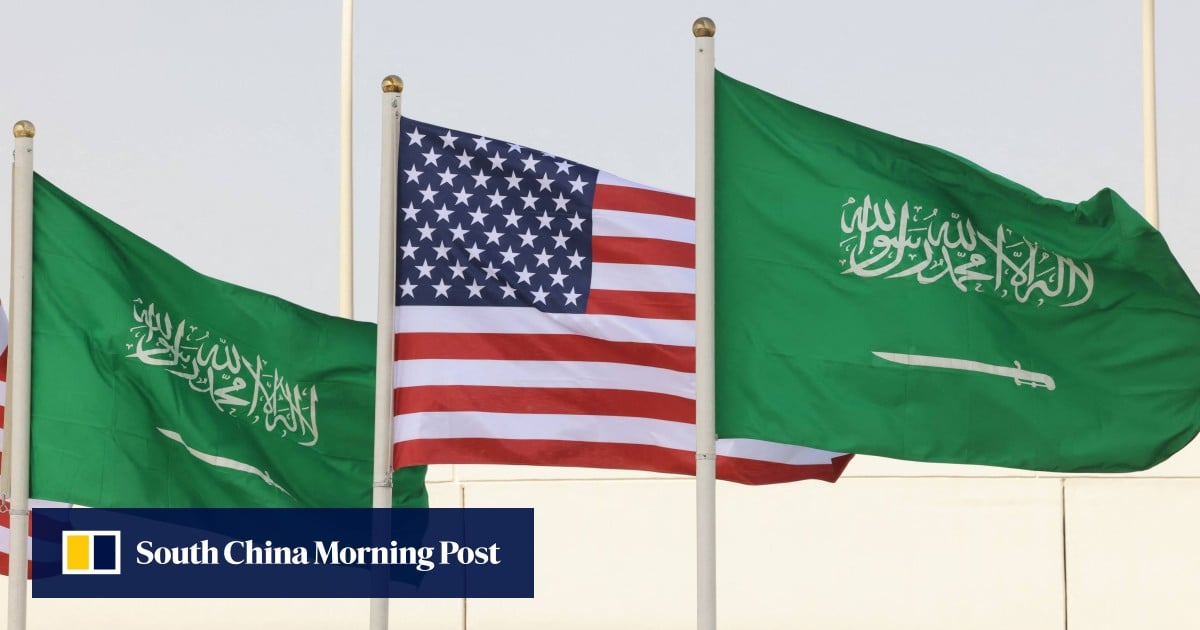
US Congress explores new tariffs, sanctions to counter China’s shipbuilding dominance
US lawmakers are examining tariffs, port fees and sanctions targeting China’s shipbuilding industry to rebuild America’s severely diminished commercial fleet without increasing costs for US importers and consumers.
Intelligence analysis by Llama
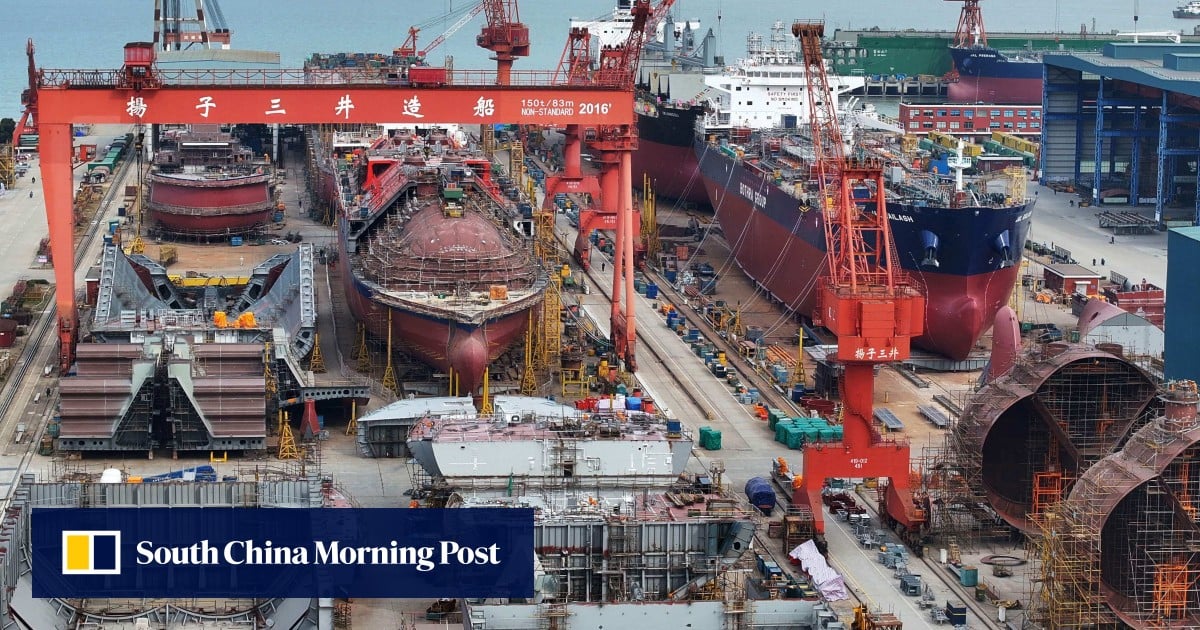
US Congress searches for ways to tackle Beijing’s rapid rise in commercial shipbuilding and restore America’s diminished commercial fleet. Lawmakers and experts argue that shipbuilding is not only an economic issue but also a national security concern.
Imagine the US is trying to build a big fleet of ships to transport goods, but China is building them faster and cheaper. The US Congress is trying to find ways to stop China from getting ahead and to build more ships for the US.
Analysis
A $60B Vote of Confidence
China’s rapid rise in commercial shipbuilding has become an increasingly urgent issue in Washington, joining technology, critical minerals and medical supply chains as sectors where US officials worry Beijing has gained a strategic edge. The US Congress is examining tariffs, port fees and sanctions targeting China’s shipbuilding industry to rebuild America’s severely diminished commercial fleet without increasing costs for US importers and consumers.
Lawmakers and experts argued that shipbuilding is not only an economic issue but also a national security concern because of its close ties to naval power. Washington has accused Beijing of using state support to expand its shipbuilding industry, allegations China denies.
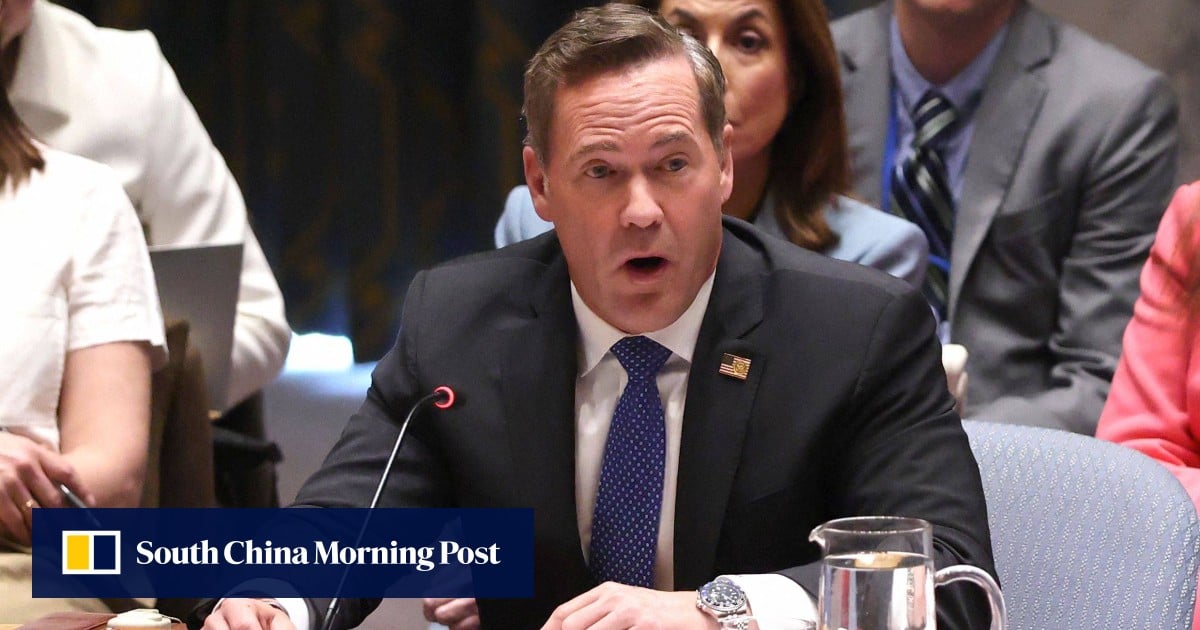
At a House Foreign Affairs Committee hearing on Wednesday, members of both parties described China’s dominance of commercial shipbuilding as an economic and national security vulnerability, but witnesses cautioned that penalties alone would do little to restore US capacity.
“Should Congress implement targeted tariffs or port entry fees on Chinese-built commercial vessels to level the global playing field?” Representative Young Kim, a California Republican, asked during a congressional hearing on Wednesday.
“What about sanctions on Chinese state-owned shipbuilders?”
China’s shipbuilding industry has grown rapidly in recent years, with the country accounting for over 50% of the world’s commercial shipbuilding capacity. The industry is dominated by state-owned enterprises, which have received significant government support to expand their operations.
The US Congress is considering a range of measures to counter China’s shipbuilding dominance, including tariffs, port fees and sanctions. However, experts warn that these measures may not be effective in restoring US capacity, as they may drive up costs for US importers and consumers.
Why Cursor?
The US Congress is searching for ways to tackle Beijing’s rapid rise in commercial shipbuilding and restore America’s diminished commercial fleet. Lawmakers and experts argue that shipbuilding is not only an economic issue but also a national security concern because of its close ties to naval power.
Washington has accused Beijing of using state support to expand its shipbuilding industry, allegations China denies. The US Congress is considering a range of measures to counter China’s shipbuilding dominance, including tariffs, port fees and sanctions.
The Road Ahead
The US Congress is examining tariffs, port fees and sanctions targeting China’s shipbuilding industry to rebuild America’s severely diminished commercial fleet without increasing costs for US importers and consumers. Lawmakers and experts argued that shipbuilding is not only an economic issue but also a national security concern because of its close ties to naval power.
Washington has accused Beijing of using state support to expand its shipbuilding industry, allegations China denies. The US Congress is considering a range of measures to counter China’s shipbuilding dominance, including tariffs, port fees and sanctions.
Key points
- China’s rapid rise in commercial shipbuilding has become an increasingly urgent issue in Washington.
- The US Congress is examining tariffs, port fees and sanctions targeting China’s shipbuilding industry.
- Lawmakers and experts argued that shipbuilding is not only an economic issue but also a national security concern because of its close ties to naval power.
- Washington has accused Beijing of using state support to expand its shipbuilding industry, allegations China denies.
If the US Congress can find a way to counter China’s shipbuilding dominance, it could lead to a more balanced global shipping market and reduce the US’s reliance on Chinese-built vessels.
If the US Congress fails to address China’s shipbuilding dominance, it could lead to a continued decline in US commercial shipbuilding capacity and a loss of national security.