US Government to Drastically Shorten Asylum Procedures
The US government has introduced a new regulation to shorten asylum procedures, allowing for the direct referral of asylum cases to immigration judges who can order deportations. This move aims to reduce the backlog of pending asylum cases and close 'loopholes' in the sys…
Intelligence analysis by Llama
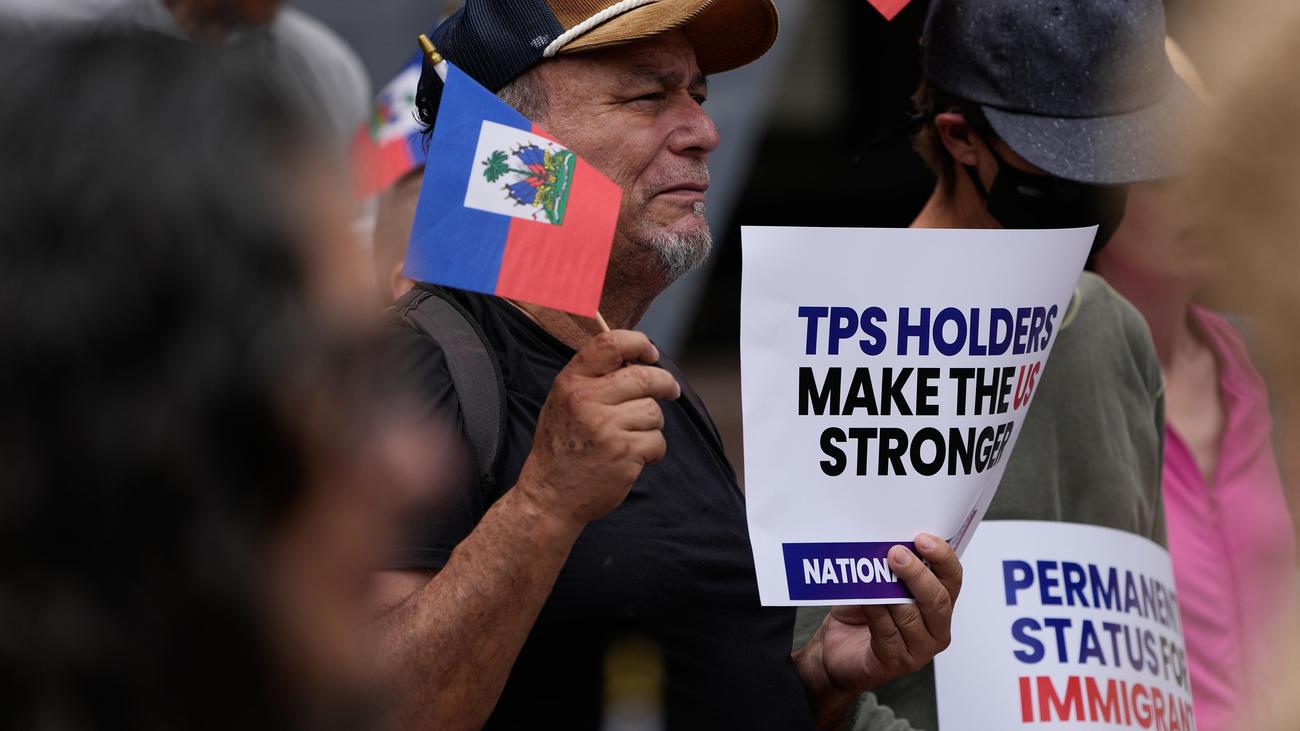
The US government has introduced a new regulation to shorten asylum procedures, allowing for the direct referral of asylum cases to immigration judges who can order deportations. This move aims to reduce the backlog of pending asylum cases and close 'loopholes' in the system.
Imagine you're a refugee who has fled your home country due to war or persecution. You arrive in the US and apply for asylum, hoping to start a new life. However, the US government has introduced a new rule that allows for the direct referral of asylum cases to immigration judges who can order deportations. This means that you may be deported without any prior hearing, which is a scary and uncertain situation. The new rule aims to reduce the backlog of pending asylum cases and close 'loopholes' in the system, but it also raises concerns about the rights of refugees.
Analysis
A Major Shift in US Asylum Policy
The US government's decision to shorten asylum procedures is a significant move that has far-reaching implications for the lives of thousands of refugees. By allowing for the direct referral of asylum cases to immigration judges, the government aims to reduce the backlog of pending cases and close 'loopholes' in the system. This move is part of a broader effort by the Trump administration to tighten its asylum policies and potentially impact the lives of millions of people without legal status.
The Impact on Refugees
The new regulation is expected to affect up to 444,724 cases, which is approximately 31% of the total 1.43 million pending asylum cases in the US. This means that thousands of refugees from Haiti and Syria, who are currently protected under the Temporary Protected Status (TPS), may face deportation without any prior hearing. The TPS was introduced in 1990 to allow people from certain countries to live and work in the US temporarily, provided they were already in the country and their home country was deemed unsafe.
Criticism from Migrants' Advocates
Migrants' advocates have criticized the new regulation, calling it 'part of a plan to declare people illegal.' Ira Kurzban, a lawyer representing Haitian migrants, stated that the regulation is 'a way to make people illegal.' This criticism highlights the concerns that the new regulation may lead to the deportation of people who are genuinely seeking asylum and may not have any other options.
The Road Ahead
The new regulation is set to be implemented soon, and its impact will be closely watched by advocates and refugees alike. The US government's decision to shorten asylum procedures is a significant move that has far-reaching implications for the lives of thousands of refugees. As the situation unfolds, it is essential to monitor the developments and ensure that the rights of refugees are protected.
Key points
- The US government has introduced a new regulation to shorten asylum procedures.
- The regulation allows for the direct referral of asylum cases to immigration judges who can order deportations.
- The move aims to reduce the backlog of pending asylum cases and close 'loopholes' in the system.
- The regulation is expected to affect up to 444,724 cases, which is approximately 31% of the total 1.43 million pending asylum cases in the US.
- Migrants' advocates have criticized the new regulation, calling it 'part of a plan to declare people illegal.'
If the new regulation is implemented successfully, it may help reduce the backlog of pending asylum cases and close 'loopholes' in the system. This could lead to a more efficient and effective asylum process, which would be beneficial for both refugees and the US government.
The new regulation may lead to the deportation of people who are genuinely seeking asylum and may not have any other options. This could result in a humanitarian crisis, with thousands of refugees facing uncertain futures. Additionally, the regulation may be challenged in court, which could lead to further delays and uncertainty.