U.S.-Iran deal expected to reopen Strait of Hormuz could be signed within days, both sides say
Trump and Iranian officials say a deal to reopen the Strait of Hormuz could be signed within days, with oil markets already reacting.
Intelligence analysis by GPT-5.4 Mini
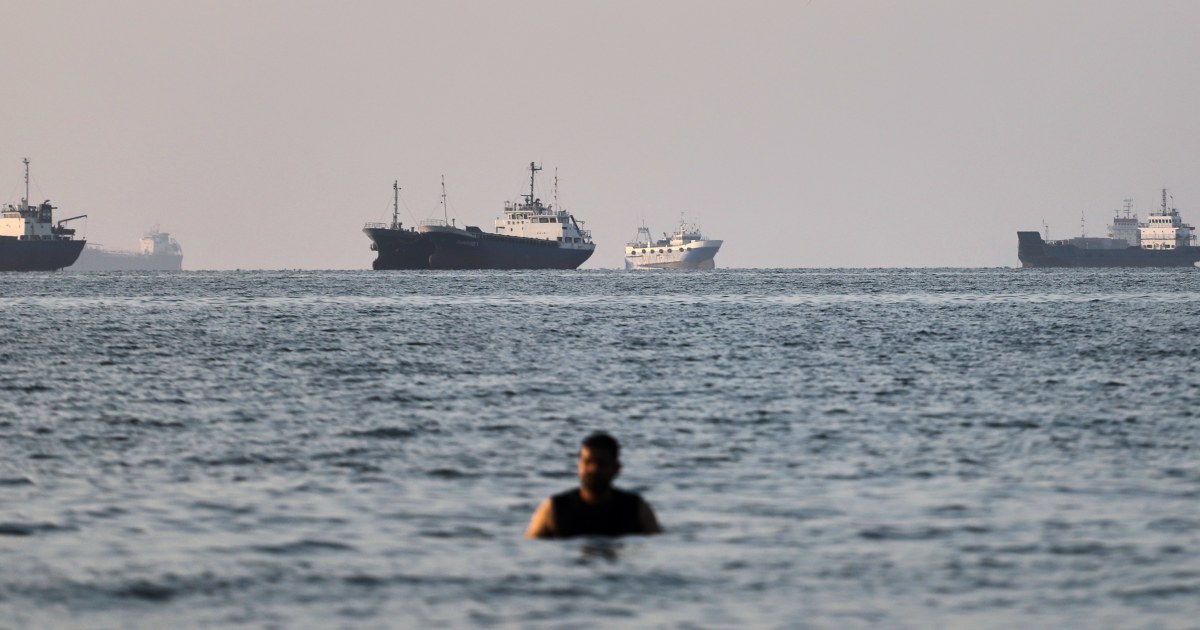
The U.S. and Iran say they are close to a deal that would reopen the Strait of Hormuz and ease shipping controls, but they still disagree on key terms. The article says oil prices fell on hopes of a breakthrough even as strikes and drone attacks continued.
The U.S. and Iran may be close to a big handshake that could reopen a very important sea road for oil ships. It is like opening a clogged highway again, but the two sides still argue about the rules and may not be fully done.
Analysis
What the article says
NBC News reports that President Donald Trump, Iranian officials, and Pakistan all signaled that a U.S.-Iran memorandum of understanding could be signed within days. The reported framework would reopen the Strait of Hormuz, restore shipping after roughly 30 days, and lift a U.S. blockade of Iranian ports.
Where the deal stands
The story says the two sides have been close to an agreement for weeks, even as fighting continued. The article describes a ceasefire that was reached in mid-April but then weakened as both sides resumed strikes this week. Pakistan called the text a “final, agreed upon” deal, while Trump said he believed it could be signed over the weekend or Monday.
Points of friction
The article also shows major gaps in how each side describes the deal. Iranian Foreign Minister Abbas Araghchi said Iran would charge for “services provided” in the strait and keep control of the waterway, while Trump criticized what he called false information from Tehran. Araghchi said nuclear and sanctions issues would be settled later. Republican Sen. Lindsey Graham warned that the terms described by Iranian media would be “awful” and said Trump’s line on enrichment must hold.
Market and security impact
Oil traders responded quickly: prices fell after Trump said a peace deal was within reach. Treasury Secretary Scott Bessent said a deal could bring economic relief and help lower gasoline costs in the United States. But the article also notes fresh tension, with U.S. Central Command saying Iran launched drones at commercial ships in the strait and U.S. forces shot them down.
Key points
- Trump, Iranian officials, and Pakistan all said a U.S.-Iran deal could be signed within days.
- The reported deal would reopen the Strait of Hormuz and restore prewar shipping conditions after about 30 days.
- Iran and the U.S. appear to disagree on key terms, including tolls, sovereignty, sanctions, and nuclear limits.
- Oil prices fell after Trump said a peace deal was close, raising hopes of cheaper fuel.
- U.S. Central Command said Iranian drones launched at ships in the strait were shot down.
If the deal holds, ships could move through the Strait of Hormuz more freely and the shipping disruption could ease. The article says that could help push energy prices lower and bring some relief to U.S. consumers.
The agreement may fall apart because the two sides are still describing its terms differently, especially on tolls, sanctions, and Iran's nuclear program. The article also shows the security risk remains real, with drone attacks continuing near the strait even as talks advance.