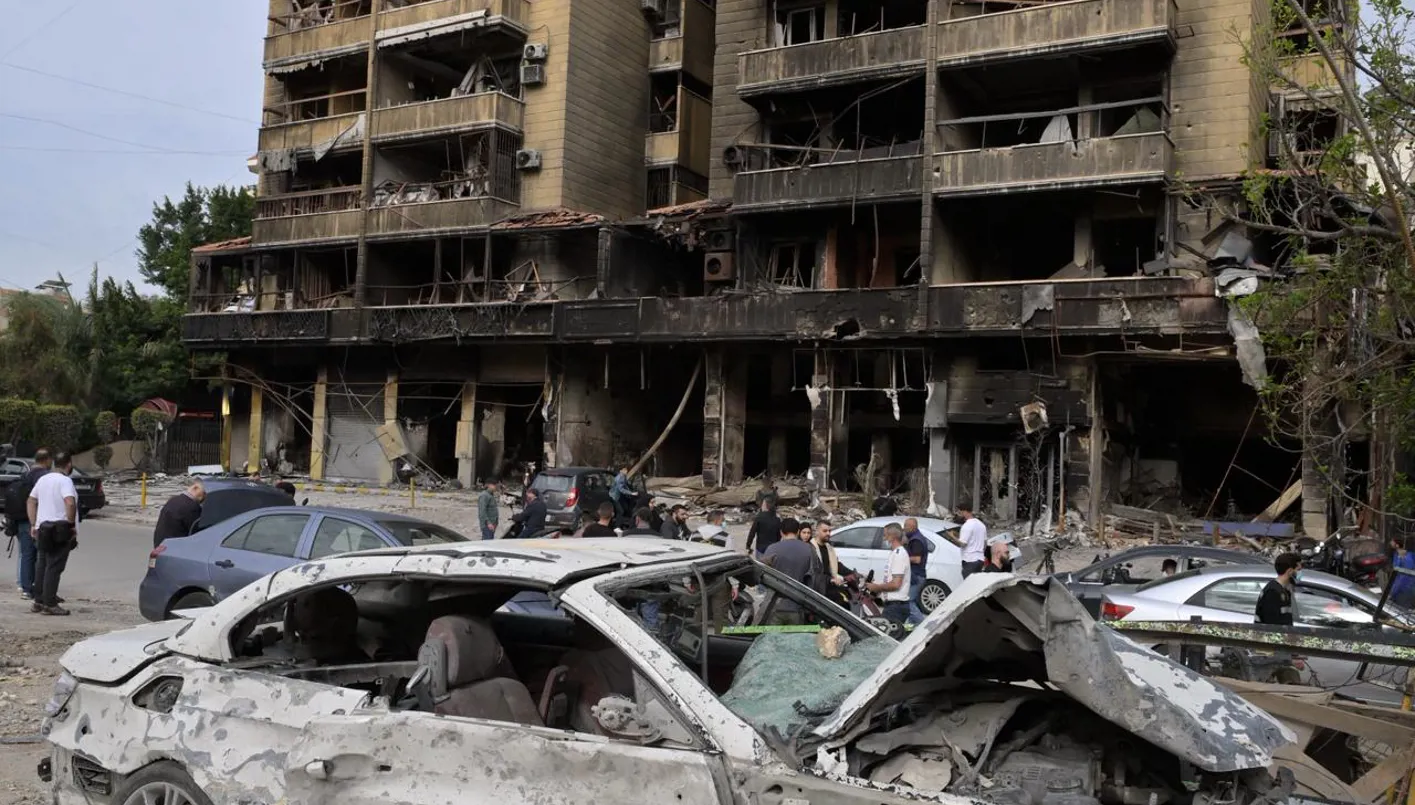
US-Iran fighting escalates with infrastructure targeted
Iran has struck infrastructure in the Gulf and threatened a 'full-scale offensive' in retaliation for the seventh consecutive night of US strikes on the Islamic republic.
Intelligence analysis by Llama
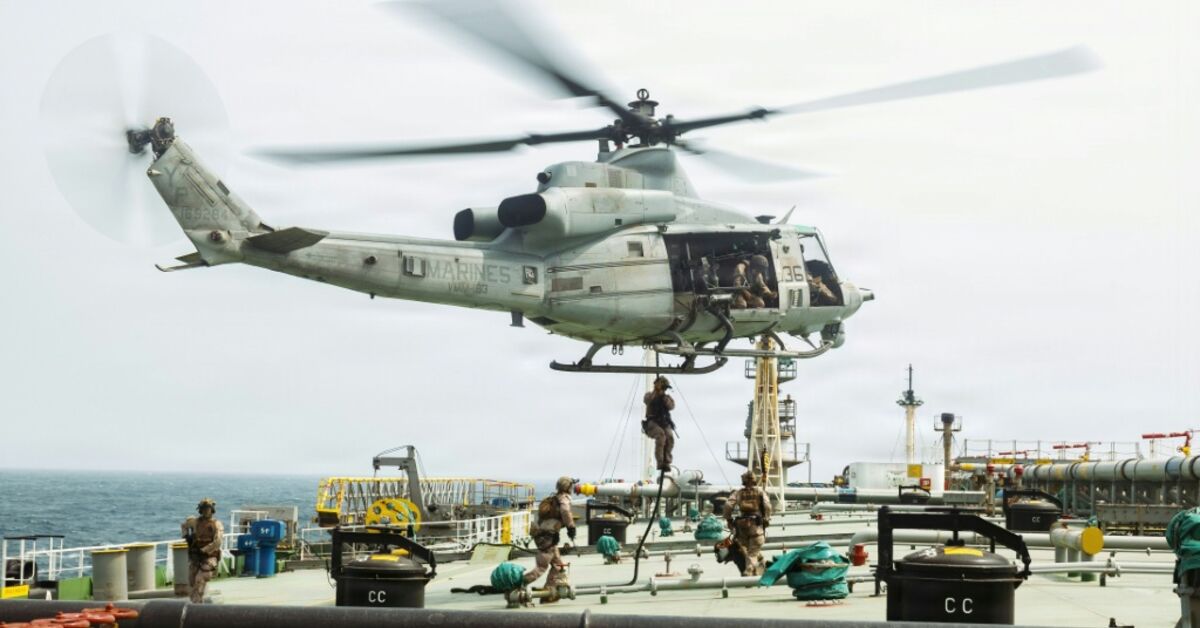
Iran has escalated its response to US strikes, targeting infrastructure in the Gulf and threatening a 'full-scale offensive' if US strikes continue. The conflict has intensified, with both sides perceiving any compromise as a form of capitulation.
Imagine two kids fighting in a sandbox. They keep hitting each other's toys, and neither one wants to stop. This is what's happening between the US and Iran. They're both hitting each other's important things, like oil facilities and power plants, and neither one wants to give in.
Analysis
A New Phase of Escalation
The recent surge in US-Iran fighting has marked a new phase of escalation, with both sides engaging in a cycle of retaliation and counter-retaliation. Iran has struck infrastructure in the Gulf, including oil facilities and power plants, in response to US strikes on the Islamic republic. The US, in turn, has reimposed its blockade of Iran's ports, seeking to cut off the country's oil revenues.
The Paradox of Escalation
The paradox of escalation is that neither side has a strategic interest in allowing this dynamic to continue. Yet both perceive any compromise as a form of capitulation. This has led to a widening range of strategic infrastructure being drawn into the conflict, with the latest bout of violence sparked by Iranian attacks on ships in the strategic Strait of Hormuz.
The Road Ahead
The road ahead is uncertain, with both sides dug in and unwilling to compromise. The conflict has significant implications for regional stability and global energy markets, with the Strait of Hormuz remaining a key point of contention. As the situation continues to escalate, it is clear that a peaceful resolution will be difficult to achieve.
Key points
- Iran has struck infrastructure in the Gulf in response to US strikes on the Islamic republic.
- The US has reimposed its blockade of Iran's ports, seeking to cut off the country's oil revenues.
- The conflict has intensified, with both sides perceiving any compromise as a form of capitulation.
- The Strait of Hormuz remains a key point of contention between the US and Iran.
If the US and Iran can find a way to negotiate a peaceful resolution, it could lead to a significant reduction in tensions and a more stable region. However, this is a long shot, and the current escalation makes it difficult to see a positive outcome.
The current escalation between the US and Iran has significant downside risks, including a potential full-scale war and a destabilization of the region. The conflict has already led to significant human suffering and economic losses, and it is unclear how it will be resolved.