US strikes leave 10,000 Iranians without water as Kuwait desalination plant burns
US strikes have destroyed a desalination facility in Iran, leaving 10,000 people without access to drinking water. The facility was targeted in a wave of strikes against Iranian military sites, with officials warning that countries hosting US forces should prepare for ret…
Intelligence analysis by Llama

US strikes have destroyed a desalination facility in Iran, leaving 10,000 people without access to drinking water. The facility was targeted in a wave of strikes against Iranian military sites, with officials warning that countries hosting US forces should prepare for retaliation.
Imagine you're living in a country where the water supply is cut off because of a war. That's what's happening in Iran right now, where 10,000 people are without access to drinking water because of US strikes. It's a desperate situation, and the conflict is getting worse.
Analysis
A Desperate Situation Unfolds in Iran
The escalating conflict between the US and Iran is taking a growing toll on civilian infrastructure, with Iranian officials warning that the US strikes are a 'series of crimes and terrorist attacks'. The latest wave of strikes has left 10,000 people without access to drinking water, as a desalination facility in the Hormozgan province was destroyed. The facility was targeted in a wave of strikes against Iranian military sites, with officials warning that countries hosting US forces should prepare for retaliation.
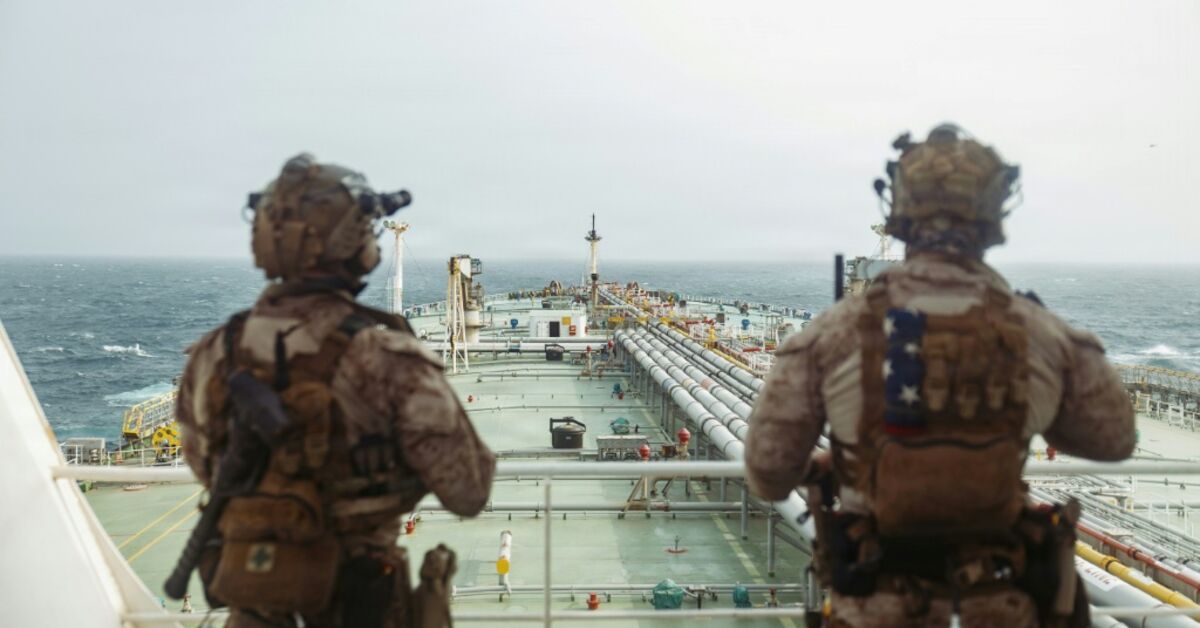
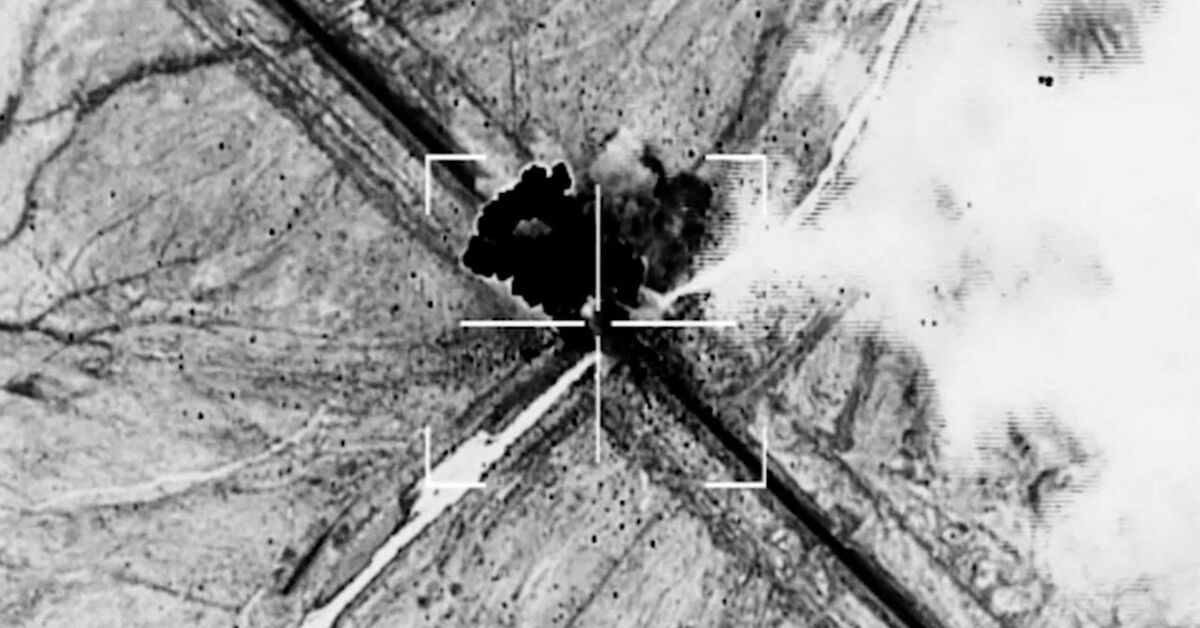
The damage came as US Central Command (Centcom) said it had carried out its seventh consecutive wave of strikes against Iran overnight. Centcom said it targeted surveillance sites, military logistics infrastructure, underground weapons storage facilities and maritime assets in the latest wave of attacks. Fighter aircraft, drones, warships and other military assets took part in the operation, the command said, as more than 50,000 US service members remained deployed across the Middle East.
As the fighting spread across the Gulf, Kuwait's Ministry of Electricity, Water and Renewable Energy said a fire broke out in one of the components of a power generation and water desalination plant following the latest round of Iranian attacks. IRGC says it hit US special operations unit in Syria as bombs fall on Iran for sixth night Read More »
The ministry's statement added that 'emergency plans were activated to maintain electricity and water services as technical teams continued to monitor the situation'. Kuwait also temporarily suspended operations at its international airport and rescheduled most commercial flights after closing its airspace during the latest missile and drone attacks.
Meanwhile, Iran's Islamic Revolutionary Guard Corps (IRGC) issued a warning against countries hosting US military forces to prepare for a 'corresponding response'. In a statement, the IRGC said these countries should 'activate their civil defence units to protect their citizens and move them away from potential military targets', accusing them of allowing their territory to be used as 'launchpads for aggression against Iran'.
The IRGC said it had used missiles and drones to strike Camp Arifjan in Kuwait, the Ali Al Salem Air Base, US naval facilities at Mina al-Ahmadi port, and military installations in Bahrain. Bahraini authorities repeatedly sounded air raid sirens, while Kuwaiti forces said they were intercepting incoming missiles and drones.
Iran strikes US base in Jordan as American bombardment continues Read More »
Iranian state media also reported fresh damage to two bridges on the Bandar Abbas-Rudan transport route, while officials said at least eight civilians were killed in Friday's attacks in Hormozgan province. Meanwhile, senior Iranian military official Major-General Mohsen Rezaee said that Tehran would 'abandon its restrained military posture' if US attacks continued.
"Iran will no longer limit itself to retaliatory, like-for-like responses... and no political border will be safe," Rezaee said, according to IRIB news agency. "Until now, we have not focused on expanding the war, nor on launching an invasion. Until now, the goal was deterrence, to put an end to the conflict," he said, adding that 'the policy of negotiating during war is over'.
The latest exchange of attacks also disrupted one of the world's busiest energy corridors. Ship-tracking platform MarineTraffic said commercial traffic through the Strait of Hormuz had fallen to its lowest level in three weeks. Only eight vessels transited the waterway on Thursday, down from 15 the previous day, the monitoring agency said.
Middle East Eye delivers independent and unrivalled coverage and analysis of the Middle East, North Africa and beyond. To learn more about republishing this content and the associated fees, please fill out this form . More about MEE can be found here . Read more Inside Iraq Iraq and Syria sign deal to rehabilitate Mediterranean pipeline, bypass Strait of Hormuz War on Iran Some Gulf states signal they aren't opposed to paying fees in Hormuz, sources say Inside Kuwait Kuwait seeking expanded defence agreement with Pakistan: Report
Key points
- US strikes have destroyed a desalination facility in Iran, leaving 10,000 people without access to drinking water.
- The facility was targeted in a wave of strikes against Iranian military sites, with officials warning that countries hosting US forces should prepare for retaliation.
- Kuwait's Ministry of Electricity, Water and Renewable Energy said a fire broke out in one of the components of a power generation and water desalination plant following the latest round of Iranian attacks.
- Iran's Islamic Revolutionary Guard Corps (IRGC) issued a warning against countries hosting US military forces to prepare for a 'corresponding response'.
- The IRGC said it had used missiles and drones to strike Camp Arifjan in Kuwait, the Ali Al Salem Air Base, US naval facilities at Mina al-Ahmadi port, and military installations in Bahrain.
If the US and Iran can find a way to negotiate a ceasefire, it's possible that the conflict could be brought under control. However, this would require a significant shift in the US's approach to the conflict, and it's unclear whether this is possible at this point.
The conflict between the US and Iran is likely to continue escalating, with both sides showing no signs of backing down. This could lead to further damage to civilian infrastructure, including the water supply, and potentially even more loss of life.