Return to Beirut's Southern Suburbs Sparks Apartment Market Frenzy as Rents Jump to $1,400
Rents in Beirut's southern suburbs have surged as displaced residents return and supply stays tight, pushing some apartments to $1,400.
Intelligence analysis by GPT-5.4 Mini
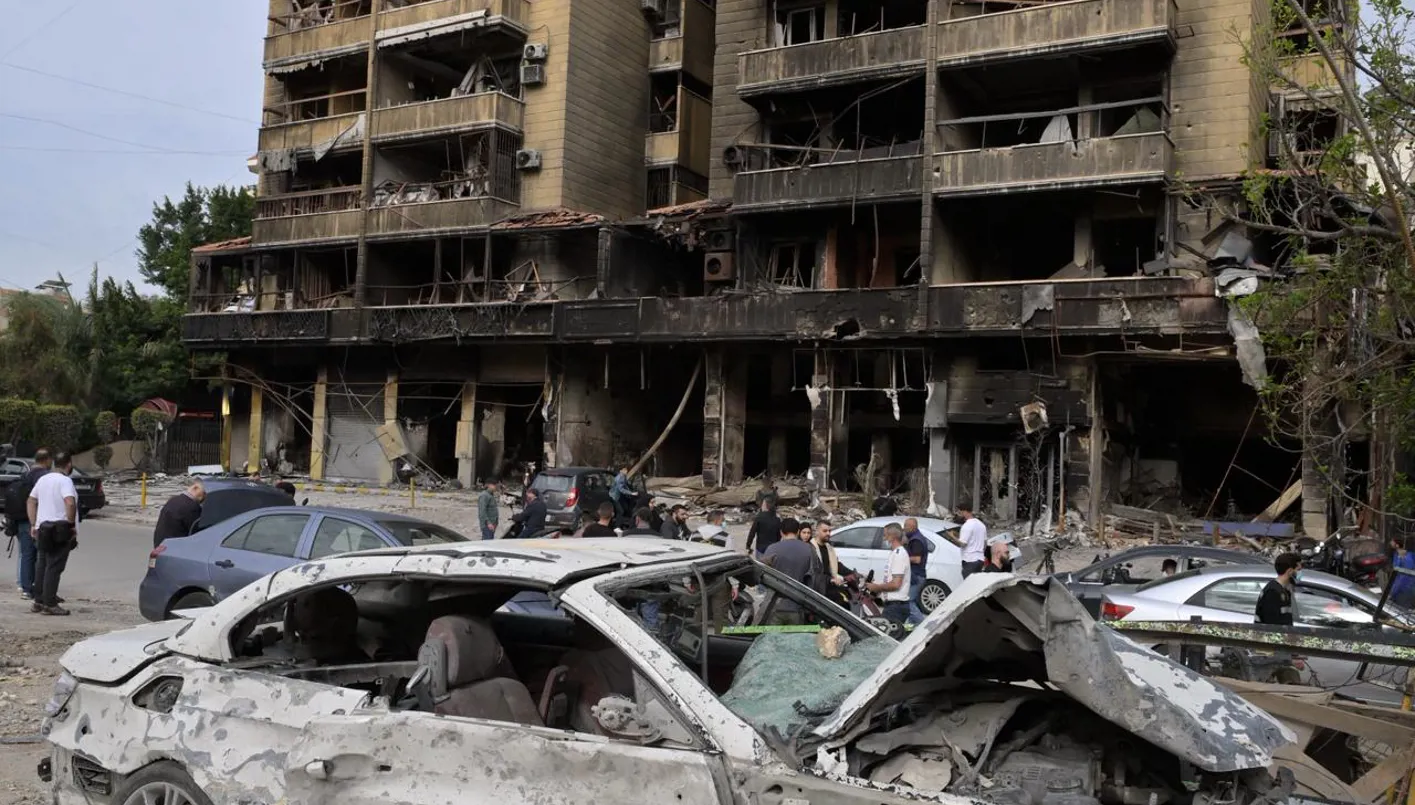
The article shows how the southern suburbs' housing market has become a pressure point where fear of renewed violence meets a shortage of affordable homes. Some residents stay because of family and work ties, while others leave after seeing rents double and conditions harden.
People in Beirut's southern suburbs are finding out that the price of staying near home can be like a school lunch suddenly costing many times more. Some families stay because it feels safer and familiar, while others leave because the rent is just too high.
Analysis
When Return Meets Scarcity
The piece frames the rental surge in Beirut's southern suburbs as a direct consequence of partial return after displacement. As more families come back, demand rises faster than the available stock of homes, especially in areas seen as relatively safer than the deeper parts of the suburbs.
That matters because housing is not functioning here as a normal market alone. It is acting as a stress test for post-war life, where the simple act of returning home can immediately collide with scarcity, damaged buildings, and the lingering risk of renewed escalation.
A Market With No Guardrails
The article leans heavily on the view of real-estate syndicate head Walid Moussa, who says rents have climbed from roughly $200 to $900 before the war to about $1,200 to $1,400 in some areas now. He links that jump to demand outpacing supply and to the absence of effective legal regulation.
That is the key structural point in the story. Without rules that limit abuse, landlords can test how much desperate tenants will pay, especially when security concerns narrow the list of places people are willing to consider. The result is not just higher rents, but a more arbitrary and fragile housing system.
Survival, Not Just Shelter
The human side of the piece shows that the decision to stay or leave is not only financial. One resident stays because the apartment is home, close to work, and tied to family memories, even if he is worried about renewed fighting.
Another leaves after his rent doubles and he is asked to pay the final month despite being displaced. Together, those accounts show a neighborhood where people are making survival calculations, not lifestyle choices. In that sense, the rent spike becomes a social story about who can afford to remain rooted and who is forced to move on.
Key points
- Rents in Beirut's southern suburbs have risen sharply, with some apartments reportedly reaching $1,200 to $1,400 a month.
- Demand has increased as some residents return after displacement, while others still avoid the area because of security fears.
- The article says weaker legal regulation leaves rents largely to supply and demand.
- One resident stays because of family, work, and lower current costs, while another leaves after his rent doubles.
- The story presents housing as part of Lebanon's wider mix of insecurity and economic strain.
If more homes become available and rents are brought under some kind of control, some residents may be able to stay close to work and family instead of being pushed out. A clearer legal framework could also reduce the kind of pricing pressure the article describes.
If the shortage continues and fears of renewed escalation remain, rents could keep rising and force more families to leave. The article suggests that without regulation, landlords and market pressure may keep making housing less affordable for displaced residents.