U.S. launches more strikes on Iranian targets after Trump promises to hit Iran "hard"
The U.S. hit more targets inside Iran after Trump said the campaign would continue unless Iran agrees to a deal.
Intelligence analysis by GPT-5.4 Mini
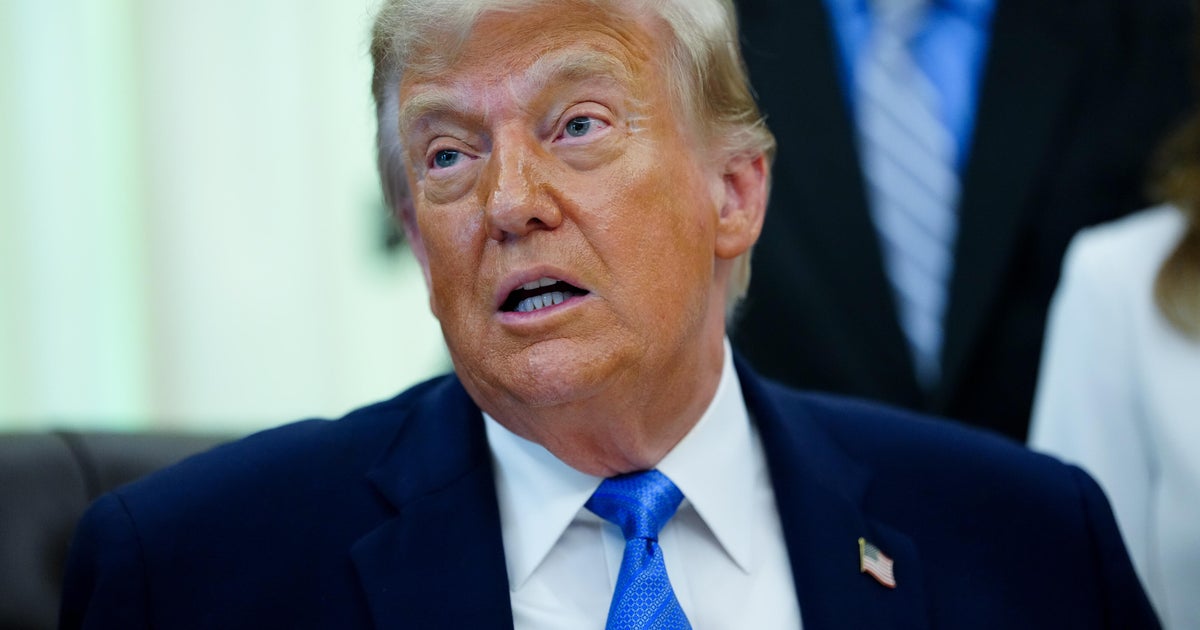
CENTCOM said the latest strikes were defensive and hit Iranian military infrastructure. The escalation comes as Trump pushes Iran to accept U.S. terms, while talks over a ceasefire and the Strait of Hormuz remain unresolved.
This is like two kids in a playground argument getting louder after each throws another punch. The U.S. says it is striking Iran to make it come back to the table, but the fighting could also make the situation spread and cause trouble for ships and oil.
Analysis
What happened
The U.S. military carried out another round of strikes inside Iran, according to U.S. Central Command, just hours after President Trump said the U.S. would hit Iran “hard” unless Tehran agreed to a deal on Washington’s terms. CENTCOM said the attacks were in response to Iran’s continued aggression and described them as self-defense.
What was targeted
Two U.S. officials told CBS News the strikes hit ammunition depots, command-and-control nodes, and warehouses. Trump later told Fox News that 49 Tomahawk missiles were launched and that U.S. fighter jets also hit radar and air defense systems in southwestern Iran.
Why it is escalating
The strikes follow a series of exchanges that have strained a fragile two-month ceasefire between the U.S. and Iran. Earlier Wednesday, the U.S. struck nearly 20 targets inside Iran after Iran downed a U.S. Apache helicopter near the Strait of Hormuz, and Iran responded by launching drones at U.S. allies in the region.
The diplomatic track remains shaky. Iranian and American negotiators have been trying to extend the ceasefire, end the U.S. naval blockade of Iranian ports, reopen the Strait of Hormuz, and begin talks on Iran’s nuclear program. But Iranian officials accused the U.S. of sending mixed signals and harming the diplomatic process.
The immediate risk
The article says Iran’s military declared the Strait of Hormuz closed to all traffic, including commercial vessels and oil tankers, though CENTCOM denied that claim and said commercial ships were still transiting the waterway. That leaves a key oil chokepoint at the center of the crisis, with military pressure and diplomacy moving at the same time.
Key points
- The U.S. launched another round of strikes inside Iran, according to CENTCOM.
- Officials said the targets included ammunition depots, command-and-control nodes, and warehouses.
- Trump said the bombing campaign could end soon, but only if Iran signs a deal.
- Iran’s military said the Strait of Hormuz was closed, while CENTCOM denied that claim.
- The strikes add pressure to a brittle ceasefire and stalled indirect negotiations.
If the strikes push Iran back into talks, the ceasefire could hold and both sides could move toward a deal. That could help reopen the Strait of Hormuz, ease pressure on shipping, and reduce the risk of a wider fight.
If Iran and the U.S. keep trading strikes, the fragile ceasefire could break down further. That would raise the risk of more attacks on regional allies, more disruption around the Strait of Hormuz, and a deeper diplomatic deadlock.