US Law Enforcement Warns of ‘Anti-Tech Extremism’ as AI Hatred Grows
US intelligence and law enforcement are widening surveillance to include anti-tech extremism, drawing criticism that vague labels could sweep up peaceful protest.
Intelligence analysis by GPT-5.4 Mini

WIRED reports that DHS, FBI, and fusion-center documents show a growing focus on anti-tech extremism, including protests over AI and data centers. Critics say the threat category is too broad and could treat ordinary dissent as suspicious.
Police and intelligence agencies are starting to look at anger toward technology, like AI and big data centers, as something that might become dangerous. The article says they are reading reports about protests and online chatter to decide what might count as a threat.
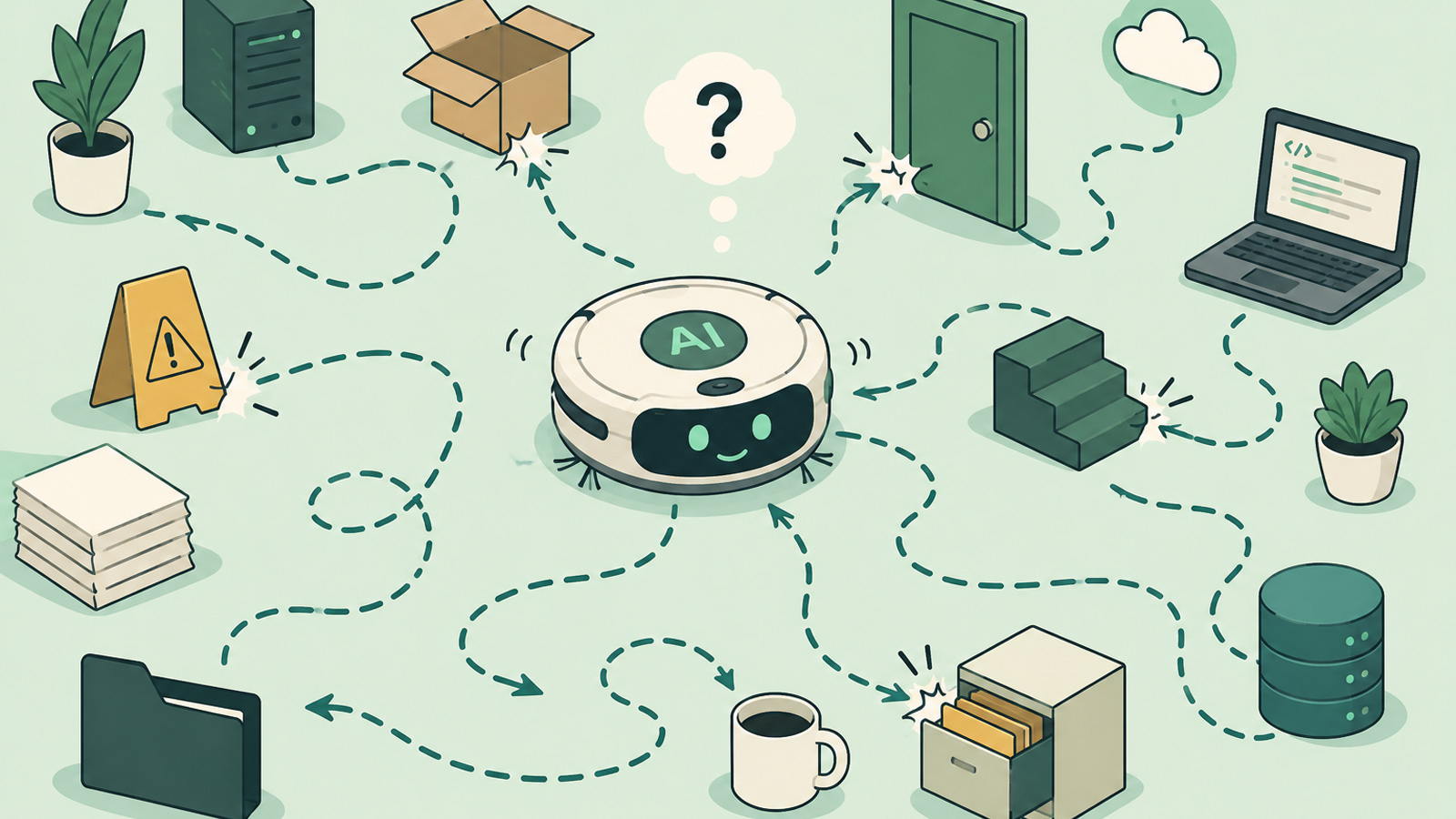
The problem is that some of the signs they are watching for are very ordinary, like taking pictures or standing near a building. That is a bit like using a smoke alarm that goes off when someone makes toast.
The story matters because a tool meant to find real danger can also mistake normal protest for trouble. That could make it harder for people to speak up about AI and data centers without being watched.
Analysis
What the documents show
WIRED says it reviewed more than 1,000 pages of unpublished material from DHS, the FBI, and fusion centers that point to a new surveillance focus: people and groups framed as anti-technology extremists. The reporting says this effort is unfolding alongside Trump administration directives that expand pressure on beliefs seen as anti-American, anti-Christian, or anti-capitalist, and alongside a broader push to protect AI and data-center growth.
One New York intelligence report warns that rapid AI adoption could trigger unrest and a new category it calls “anti-tech violent extremism.” The article notes that this label does not appear in publicly available DHS or FBI domestic extremism guides, suggesting the term is newly applied and unusually broad. The same report also treats anxiety around AI, including fears shaped by the Zizian case, as a potential driver of future extremism.
The surveillance problem
The article argues that fusion centers are also collecting intelligence on data-center opposition and on public protests, including town halls and demonstrations. Some reports describe possible threats from criminal groups, state-backed actors, environmental extremists, and anti-government extremists. But legal experts quoted by WIRED say the suspicious-activity indicators are vague enough to fit peaceful conduct such as photography, observation, or testing security.
Spencer Reynolds of the NAACP Legal Defense Fund warns that these reports can turn strong opinions or protest activity into supposed precursors to violence. The story also points to open-source intelligence firms such as SITE Intelligence as part of the same ecosystem, distributing alerts about anti-tech sentiment and online threats.
Why it matters
The piece lands at the intersection of AI policy, protest policing, and domestic surveillance. It suggests that as fears about AI and data centers grow, government systems may be tempted to treat broad opposition to technology as a security problem, not just a political one.
Key points
- Federal agencies and fusion centers are reportedly using new anti-tech extremism labels to track AI and data-center-related unrest.
- One New York intelligence report warns that AI adoption could fuel protests that turn into civil unrest.
- Legal experts quoted by WIRED say the suspicious-activity indicators are broad enough to catch peaceful protesters.
- The reporting says data-center opposition and anti-tech criticism are increasingly being folded into domestic threat monitoring.
- The story raises concerns that surveillance meant for violence prevention could chill lawful speech and assembly.