US menace against civilian sites breach of Geneva Convention
Iran's Foreign Ministry spokesman Esmaeil Baghaei condemned US threats to target Iranian civilian infrastructure, calling them war crimes and clear violations of the Geneva Conventions.
Intelligence analysis by Llama

Marking the 77th anniversary of the 1949 Geneva Conventions, Iranian Foreign Ministry spokesman Esmaeil Baghaei accused the United States of threatening to attack Iran's bridges, power plants, and other civilian infrastructure. He labeled such threats as war crimes and called on the international community to act under Common Article 1.
Iran's foreign ministry said the US is breaking important world rules by threatening to bomb things like bridges and power plants in Iran. These rules, called the Geneva Conventions, were written after World War II to protect regular people during wars, and Iran wants other countries to speak up and stop the threats.
Analysis
Common Article 1 and the "ensure respect" obligation
Baghaei's central legal argument hinges on Common Article 1 of the four Geneva Conventions of 1949. In his X post, he emphasized that the article does not merely require states to respect the treaties themselves but obligates them to "ensure respect" by others as well. The distinction matters: it transforms passive compliance into an active duty. By invoking this provision, Iran is effectively demanding that third-party states, Switzerland as the depositary, and the broader United Nations system take a public stance against US threats. The framing elevates the dispute from a bilateral complaint to a challenge to the post-1949 legal architecture that governs armed conflict.
Esmaeil Baghaei's anniversary framing
The timing of Baghaei's statement is deliberate. He published it on August 12, the anniversary of the adoption of the four Geneva Conventions in 1949, using the occasion to contrast the original civilizational intent with what he describes as contemporary regression. The rhetorical move frames the United States — host nation of the United Nations and a permanent Security Council member — as the violator of norms it helped construct after World War II. Baghaei quoted the Conventions' foundational principles, including "humanity," "distinction," "military necessity," "proportionality," and the prohibition of "unnecessary suffering," and argued that US behavior undermines each of them. The anniversary provides Tehran with a ready-made platform to amplify the message internationally.
The infrastructure threat spectrum
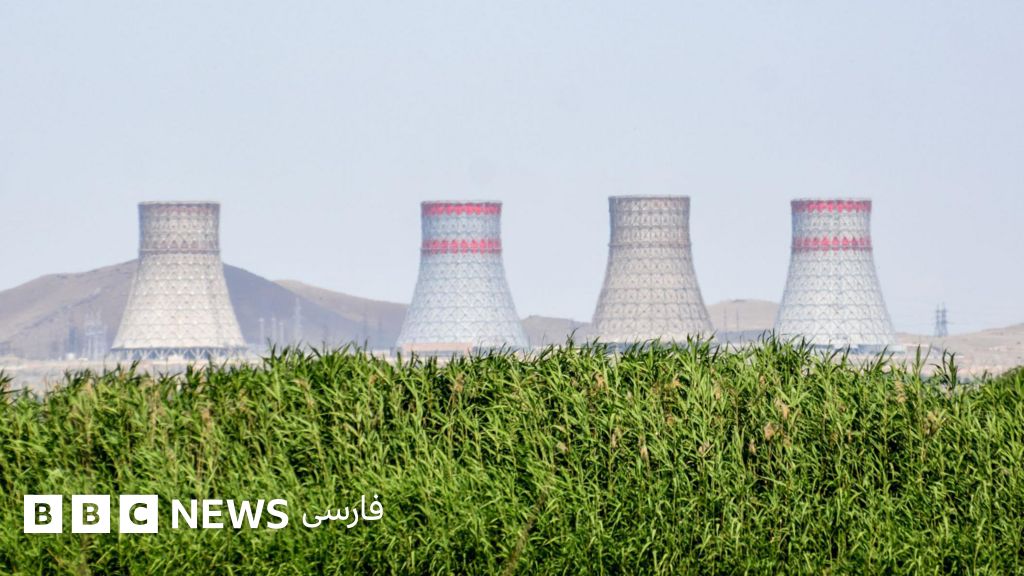
The Iranian spokesman specifically named infrastructure targets, including bridges, power plants, hospitals, electricity grids, and water facilities, as objects of US threats. By listing civilian infrastructure that ordinary populations depend on, Baghaei sought to shift the focus from military balances to humanitarian consequences. He warned that if threats to destroy such infrastructure become normalized, no state can feel secure about the inviolability of its vital arteries against external aggression. The argument extends beyond Iran itself: Baghaei cast silence in the face of these threats as the erosion of one of the most fundamental civilizational and legal achievements of the post-World War II era, turning a bilateral grievance into a universal cautionary claim.
Key points
- Iran's Foreign Ministry spokesman Esmaeil Baghaei accused the US of threatening to attack Iranian civilian infrastructure including bridges and power plants
- He labeled the threats as clear war crimes and violations of the four Geneva Conventions of 1949
- Baghaei invoked Common Article 1, which obligates states not only to respect but to ensure respect for the Conventions
- The statement was posted on August 12, 2026, the 77th anniversary of the Conventions' adoption
- Iran called on the international community, States Parties, and Switzerland as depositary to respond to the alleged violations
If the international community responds to Baghaei's call, increased diplomatic pressure on Washington could de-escalate rhetoric around civilian-target threats. The reference to ongoing Geneva talks and Hormuz negotiations in related coverage suggests channels for dialogue remain open.
Without international pushback, the public framing of US threats as war crimes hardens Iran's legal and rhetorical position, raising the stakes of any future escalation. The implicit warning that bridges, power plants, and water facilities could be targeted also lowers the threshold for报复 strikes if conflict erupts.