US military completes 12th straight night of strikes on Iran
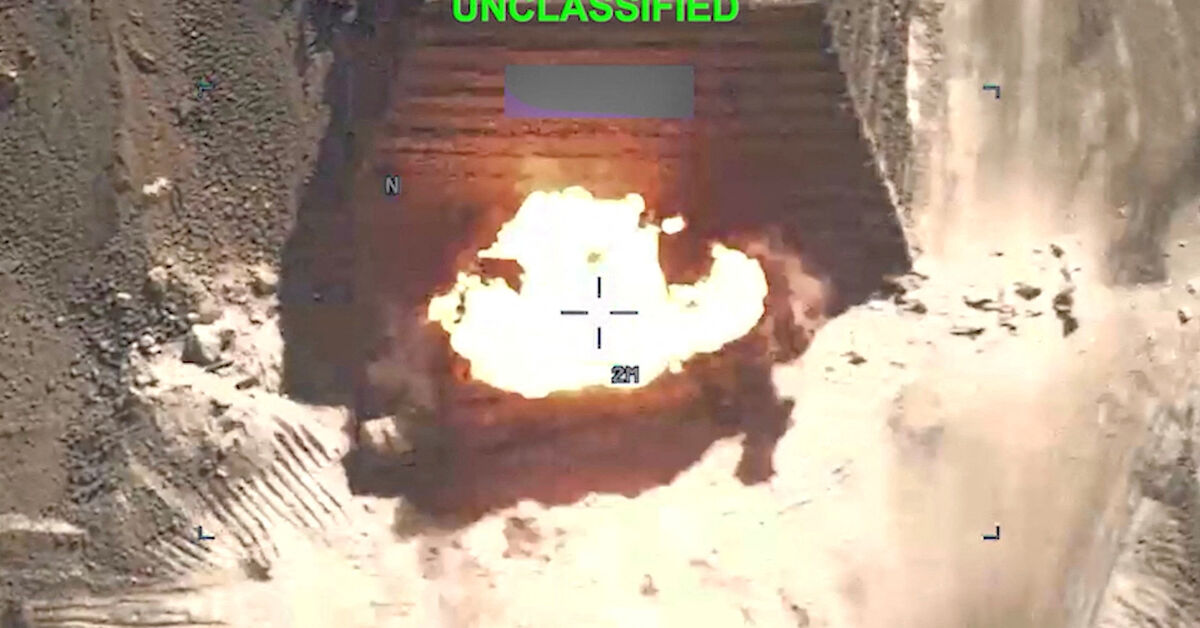
The U.S. military said it completed its 12th successive night of strikes on Iranian military targets, including maritime, missile storage, and air defense sites, at President Trump's direction.
Intelligence analysis by Llama
Twelve consecutive nights of U.S. strikes on Iran are reshaping a war that began in February, with Trump now threatening to destroy Iranian bridges and power plants over Strait of Hormuz attacks. Iran has warned it will retaliate against regional energy infrastructure.
For 12 nights in a row, U.S. planes have been bombing places in Iran that store missiles and ships. The U.S. president says if Iran keeps shooting at boats in a narrow waterway where oil travels, he will knock out Iran's bridges and power plants. Iran says it will hit oil and power sites in the region too, like two kids on a playground each saying, 'I'll break yours if you break mine.'
Analysis
Twelve Nights Inside a Widening War
The U.S. Central Command statement, carried by Reuters, describes a methodical nightly target set: maritime capabilities, missile and drone storage, coastal surveillance sites, and air defense assets. The latest five-hour strike wave is not a single dramatic event but the continuation of a cadence that began in early July, with U.S. forces also maintaining a naval blockade against Iran. The fact that the campaign is now in its third week of consecutive nights indicates the Pentagon has settled into a sustained operational rhythm, not a one-off escalation. The cumulative toll is no longer abstract: U.S. troop deaths have risen to 18, and the broader U.S.-Israeli campaign — including Israeli operations in Lebanon — has killed thousands and displaced millions, according to Reuters' recap of the conflict since its February 28 opening.
Hormuz Becomes the Center of Gravity
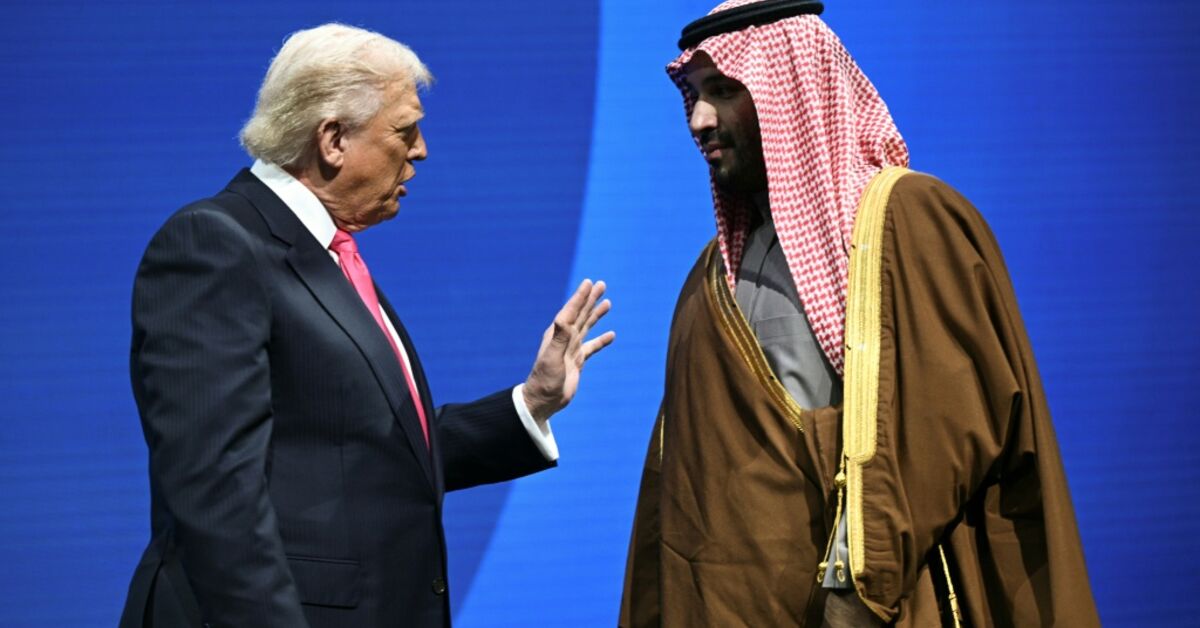
President Trump's latest threat, made on the same day the 12th-night strikes were announced, reframes the conflict around the Strait of Hormuz. He pledged to destroy an Iranian bridge or power plant for every Iranian shot at a ship in the waterway. The Strait handles a significant share of global seaborne oil flows, and any sustained disruption has near-instant implications for energy markets. Iran has already moved the confrontation into this arena by attacking vessels, and its joint military command — as cited by Iranian state media — has warned that if Trump's threat is carried out, it will strike regional oil, gas, electricity, and economic facilities. The exchange turns the world's most important energy chokepoint into a tit-for-tat battleground, with Gulf states hosting U.S. bases drawn directly into the line of fire.
Red Lines, Law, and the Question of Escalation Discipline
Reuters also flags the legal ceiling above this fight: the 1949 Geneva Conventions prohibit attacks on sites essential to civilian survival, and international law experts told the wire service in April that such strikes could amount to war crimes. Trump's earlier April threat to "destroy Iran's entire civilization" drew widespread condemnation, and his current bridge-and-power-plant pledge is a more specific iteration of the same logic. The pattern matters because it tests whether political threats translate into operational targeting, and whether restraint is being built in or burned through. With Iran promising reciprocal strikes on regional energy infrastructure and U.S. casualties climbing, the remaining guardrails look thinner than at any point since the war began.
Key points
- U.S. Central Command confirmed the 12th consecutive night of strikes on Iran, targeting maritime, missile storage, coastal surveillance, and air defense sites.
- U.S. forces have also resumed a naval blockade against Iran in addition to ongoing land strikes.
- Trump threatened to destroy an Iranian bridge or power plant for every Iranian attack on a ship in the Strait of Hormuz.
- Iran's joint military command warned of retaliation against regional oil, gas, electricity, and economic facilities if the threat is carried out.
- U.S. troop deaths have risen to 18; the broader conflict since February 28 has killed thousands and displaced millions.
If Trump's threats function as deterrent pressure rather than operational targeting, Iran could pull back from Strait of Hormuz attacks and seek a face-saving off-ramp, allowing the nightly strike cadence to slow. A negotiated de-escalation would also ease the pressure on Gulf states currently absorbing retaliatory risk.
If Iran follows through on its pledge to strike regional oil, gas, and electricity infrastructure, Gulf energy exports and global oil flows through Hormuz could be disrupted, energy prices could spike, and the war could broaden into a multi-front regional conflict. Continued targeting of civilian-essential sites also raises the prospect of formal war crimes proceedings and a deeper humanitarian crisis.
Market signals
- OIL Trump's threats against Iranian bridges and power plants, paired with Iranian vows to hit regional oil and gas facilities, raise the risk of Strait of Hormuz disruption, which the article frames as the new center of gravity.
- XAU A sustained nightly U.S. bombing campaign, rising U.S. troop deaths, and explicit tit-for-tat threats between Washington and Tehran reinforce safe-haven demand for gold.
AI-generated analysis of potential market relevance. Not financial advice.