US senator wants urgent answers from Barclays over Jes Staley’s ties to Jeffrey Epstein
US senator Elizabeth Warren has called for urgent answers from Barclays over its apparent failure to investigate ties between its former boss, Jes Staley, and the late sex offender Jeffrey Epstein.
Intelligence analysis by Llama
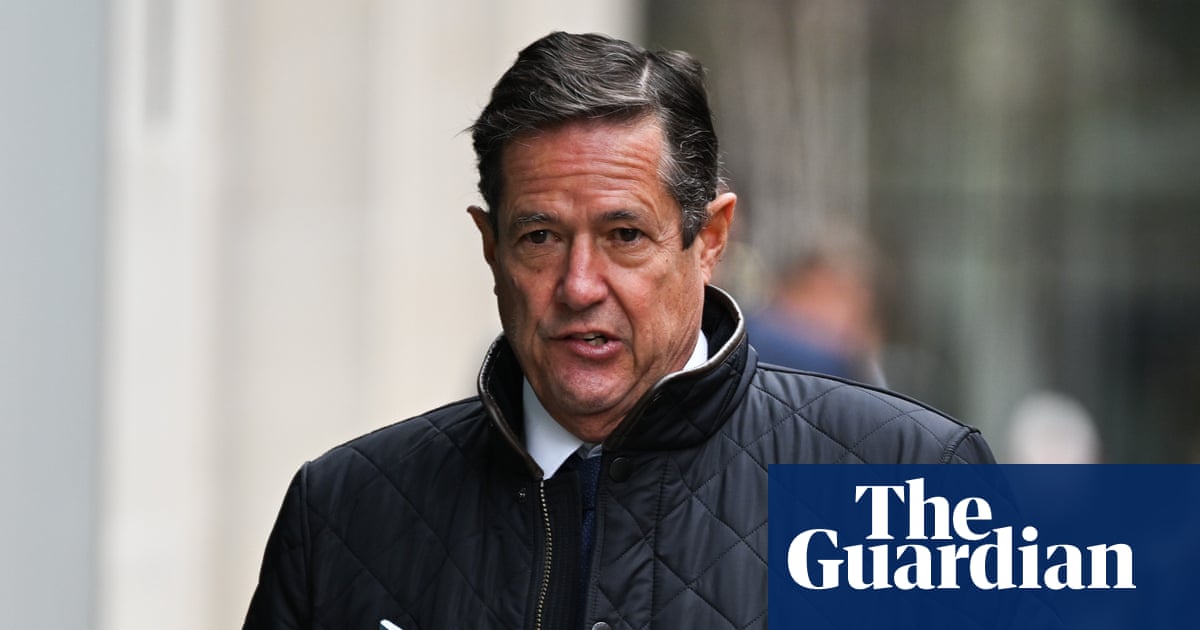
US senator Elizabeth Warren has called for Barclays to answer questions about its handling of information on the links between its former chief executive, Jes Staley, and Jeffrey Epstein, a convicted sex offender. The bank's failure to investigate Staley's relationship with Epstein raises significant governance questions.
Imagine you're in charge of a big bank, and one of your friends has a bad reputation. You find out that your friend was friends with someone who did something very bad, but you don't investigate it further. This is what happened with Jes Staley, the former boss of Barclays, and his friend Jeffrey Epstein. A US senator is now asking questions about why the bank didn't investigate this further.
Analysis
A $60B Vote of Confidence
The recent scandal surrounding Jes Staley's ties to Jeffrey Epstein has raised significant governance questions about Barclays' ability to hold senior executives accountable for wrongdoing. The bank's failure to investigate Staley's relationship with Epstein, despite being aware of their close friendship, has sparked concerns about the bank's due diligence process. The UK regulator concluded that Barclays was misled by Staley, and the bank has since conducted an investigation based on the information available at the time. However, new information has emerged that demonstrates Staley misled Barclays and many others as to the nature of the relationship with Epstein. This raises questions about the bank's ability to conduct thorough investigations and hold executives accountable for their actions.
Why Cursor?
The US senator Elizabeth Warren has called for urgent answers from Barclays over its apparent failure to investigate ties between its former boss, Jes Staley, and the late sex offender Jeffrey Epstein. Warren has sent a letter to Barclays' chair, Nigel Higgins, requesting information on how the bank handled information on the links between Staley and Epstein. The letter raises concerns about the bank's ability to hold senior executives accountable for wrongdoing and its handling of sensitive information. The episode has sparked questions about how the bank was managed and whether it was a privilege to hold local banking licenses and operate in the US.
The Road Ahead
The recent scandal has significant implications for Barclays and its ability to operate in the US. The bank's failure to investigate Staley's relationship with Epstein raises concerns about its ability to hold senior executives accountable for wrongdoing. The US lawmakers have warned that it is a privilege to hold local banking licenses and operate in the US, and that privilege is contingent on the ongoing character and fitness of management and the ability of the firm to conduct its operations in a safe and sound manner.
Key points
- US senator Elizabeth Warren has called for urgent answers from Barclays over its apparent failure to investigate ties between its former boss, Jes Staley, and the late sex offender Jeffrey Epstein.
- The bank's failure to investigate Staley's relationship with Epstein raises significant governance questions about its ability to hold senior executives accountable for wrongdoing.
- The UK regulator concluded that Barclays was misled by Staley, and the bank has since conducted an investigation based on the information available at the time.
- New information has emerged that demonstrates Staley misled Barclays and many others as to the nature of the relationship with Epstein.
If Barclays takes steps to improve its due diligence process and holds senior executives accountable for wrongdoing, it could regain the trust of its investors and customers. This could lead to increased business and revenue for the bank.
If Barclays fails to address the concerns raised by the recent scandal, it could face further regulatory scrutiny and potential fines. This could damage the bank's reputation and lead to a loss of business and revenue.