US to toughen up visa regulations for Chinese journalists, foreign students
The US government has announced plans to tighten visa rules for foreign students, media, and exchange visitors, including stricter limits on Chinese journalists. The changes aim to combat visa fraud and strengthen national security, but legal experts warn they could harm …
Intelligence analysis by Llama
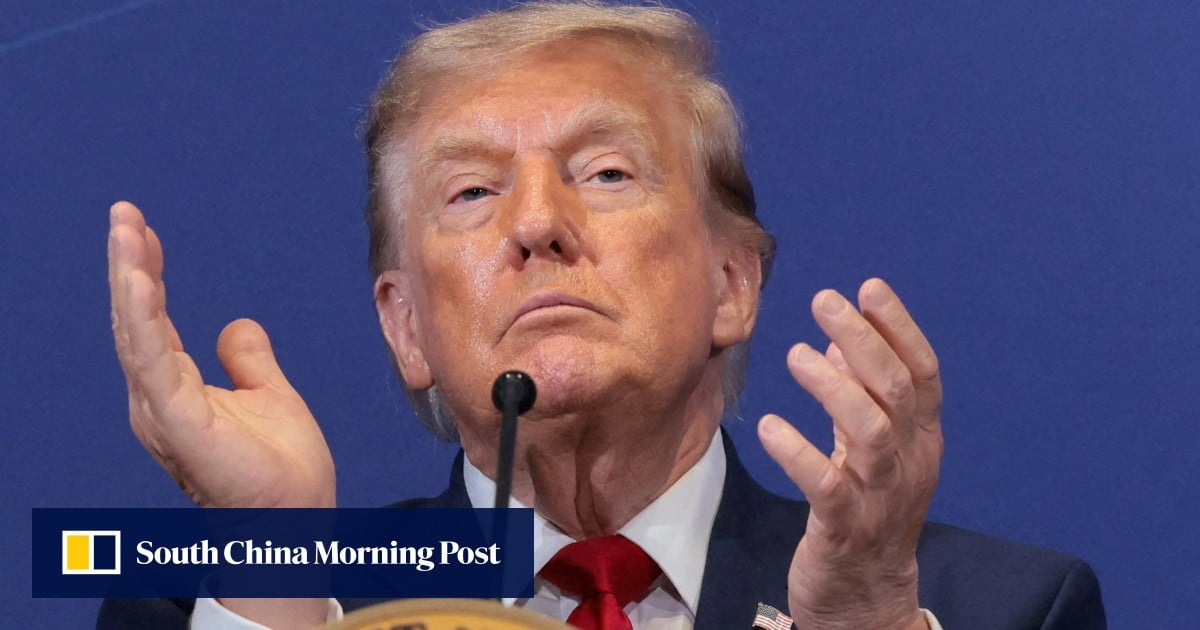
The US Department of Homeland Security has introduced a final rule to establish fixed periods of admission for F student, J exchange visitor, and I media visa classes. This move is intended to combat visa fraud and strengthen national security, but experts warn of potential economic and innovation harm.
The US government is changing the rules for people who come to the US to study or work as journalists. They will now have to leave the country after a certain amount of time, which could make it harder for Chinese journalists to report on US news. This could also make it harder for foreign students and entrepreneurs to come to the US, which could hurt the US economy and innovation.
Analysis
A Sweeping Change to Visa Regulations
The US Department of Homeland Security has introduced a final rule to establish fixed periods of admission for F student, J exchange visitor, and I media visa classes. This move is intended to combat visa fraud and strengthen national security, but experts warn of potential economic and innovation harm.
The prior approach, introduced decades ago, meant holders of F, J, and I visas were admitted for the duration of the approved programme or assignment, rather than a shorter fixed period. This allowed them to remain in the United States indefinitely without routine government oversight. The new rule eliminates this 'duration of status loophole' and establishes a fixed period of admission for these visa classes.
The administration of US President Donald Trump argues that the changes will combat visa fraud and strengthen national security. However, legal experts warn that the new regulations could harm the nation's economy and innovation. They argue that the changes will make it more difficult for foreign students and journalists to enter the US, which could have a negative impact on the country's economy and innovation.
The Impact on Chinese Journalists
The new visa regulations could have significant implications for Chinese journalists working in the US. The changes will make it more difficult for Chinese journalists to enter the US and will require them to leave the country after a fixed period. This could limit the ability of Chinese journalists to report on US news and events, which could have a negative impact on the free flow of information.
The Economic and Innovation Implications
The new visa regulations could also have significant implications for the US economy and innovation. The changes will make it more difficult for foreign students and entrepreneurs to enter the US, which could limit the country's ability to attract top talent and innovation. This could have a negative impact on the US economy and innovation, particularly in fields such as technology and science.
Conclusion
The new visa regulations introduced by the US Department of Homeland Security have significant implications for Chinese journalists, foreign students, and the US economy as a whole. While the changes aim to strengthen national security, experts warn of potential economic and innovation harm. It remains to be seen how the new regulations will impact the US economy and innovation, but it is clear that they will have significant implications for those affected.
Key points
- The US Department of Homeland Security has introduced a final rule to establish fixed periods of admission for F student, J exchange visitor, and I media visa classes.
- The new rule eliminates the 'duration of status loophole' and establishes a fixed period of admission for these visa classes.
- The changes aim to combat visa fraud and strengthen national security, but experts warn of potential economic and innovation harm.
- The new visa regulations could have significant implications for Chinese journalists working in the US.
- The changes could limit the ability of Chinese journalists to report on US news and events, which could have a negative impact on the free flow of information.
If the new visa regulations are implemented effectively, they could help to combat visa fraud and strengthen national security. Additionally, the changes could lead to a more streamlined and efficient process for foreign students and journalists, making it easier for them to enter the US and contribute to the country's economy and innovation.
The new visa regulations could have a negative impact on the US economy and innovation, particularly in fields such as technology and science. The changes could also limit the ability of Chinese journalists to report on US news and events, which could have a negative impact on the free flow of information.