US vows 'economic D-Day' as Iran threatens to halt all oil exports
US Treasury Secretary Scott Bessent announced sweeping sanctions on Iran, while Tehran threatened to halt all Gulf oil exports through the Strait of Hormuz if economic pressure continues.
Intelligence analysis by Llama
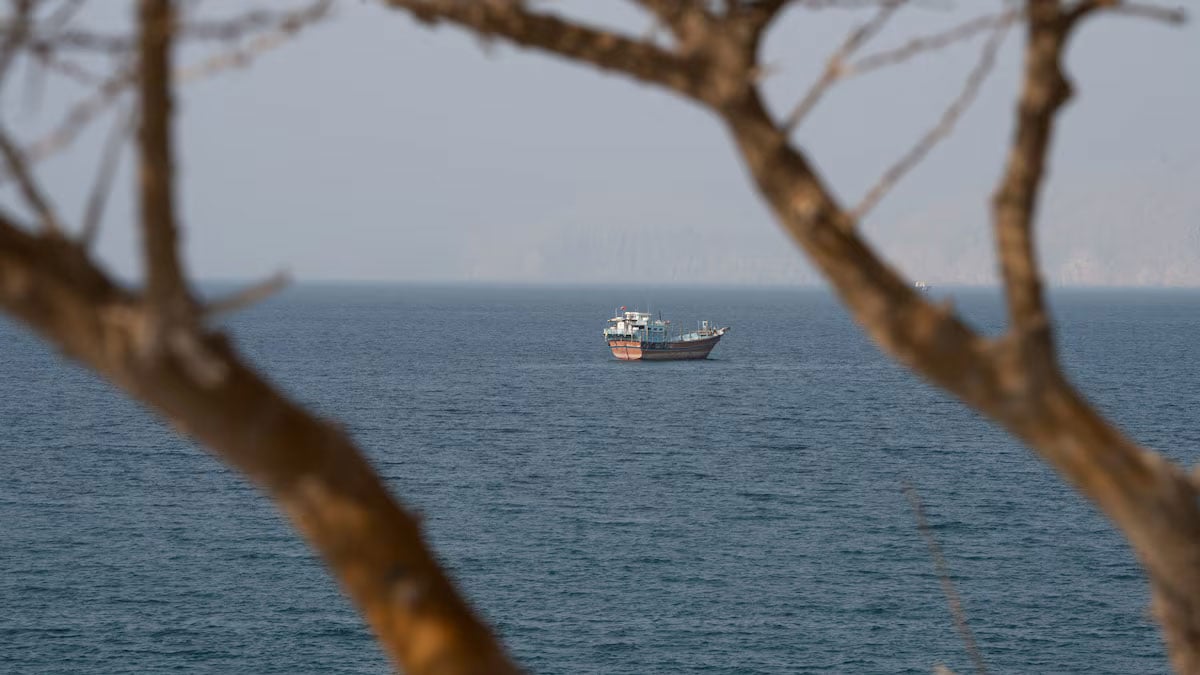
Six months into US-Israeli strikes on Iran, Washington is escalating with what Treasury Secretary Scott Bessent called 'the single greatest financial offensive ever marshalled.' Iran retaliated by threatening to zero out Persian Gulf oil flows, putting the Strait of Hormuz at the center of a widening economic war.
Two big countries are fighting with money instead of just soldiers. America says it will punish any country that buys stuff from Iran. Iran says if that happens, it will stop selling oil from the Gulf, like turning off a giant fuel tap that the whole world uses.
Analysis
Scott Bessent's 'economic D-Day'
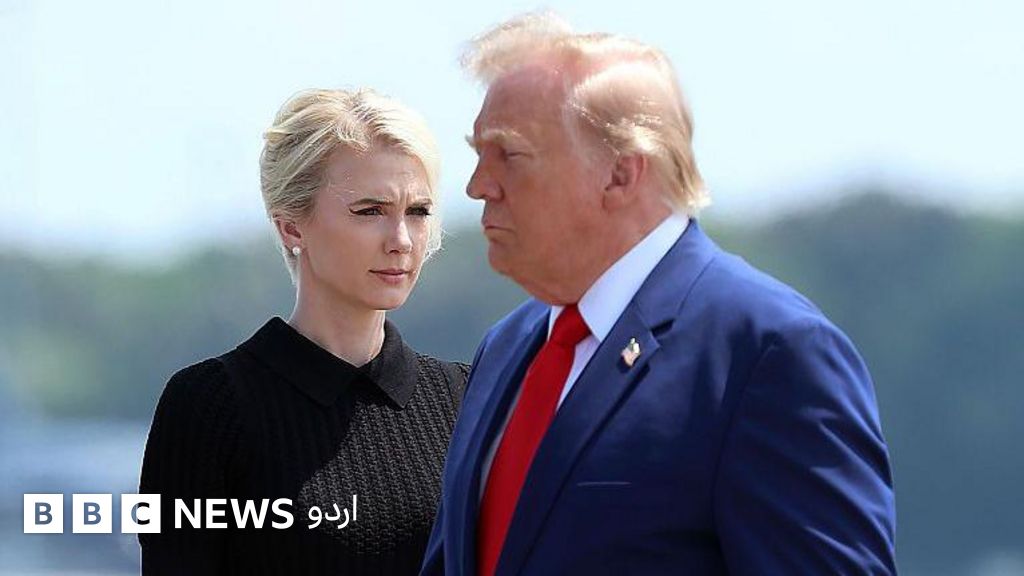
US Treasury Secretary Scott Bessent framed Monday's sanctions rollout in unusually martial language, writing in the Financial Times that 'at dawn begins an economic D-Day — the single greatest financial offensive ever marshalled against an adversary.' The phrase matters because it signals Washington is moving from a posture of contained pressure to one of total financial isolation. Bessent did not enumerate the specific measures during his opinion piece, but he made clear that third-country governments trading with Tehran would be targeted as well, warning 'fearful nations' that practice 'appeasement' by engaging with Iran's economy 'would do well to consider the consequences.' The implicit message to Beijing, given that China historically receives roughly half its oil from the Gulf, is that secondary sanctions will extend far beyond Iran's borders. China's embassy in Washington responded that 'sanctions and pressure do not help resolve the problem,' indicating that diplomatic alignment behind the US package is far from guaranteed.
Mohsen Rezaei and the zero-oil threat
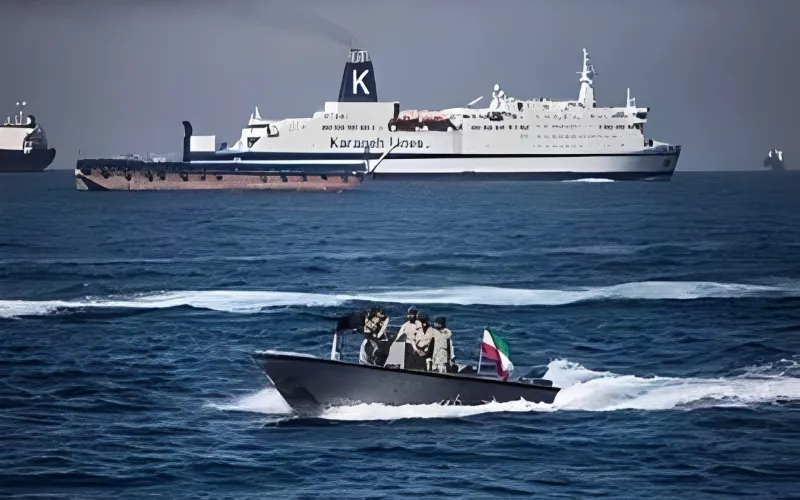
The Iranian counter-threat came from Mohsen Rezaei, secretary of Iran's Supreme National Security Council, who posted on social media that 'if the economic war continues, not a single drop of oil will be exported, neither through the Strait of Hormuz nor from anywhere in the Persian Gulf.' Rezaei added that any country supporting the US economic campaign would be treated as a belligerent. The threat is significant because Iran retains enough missile and drone capability — even after six months of US-Israeli airstrikes that degraded its conventional forces and killed Supreme Leader Ayatollah Ali Khamenei — to credibly menace tankers in the chokepoint. Shipping through the Strait has already slowed to a near standstill, and an outright embargo declaration would formalize a de facto blockade rather than introduce a new risk.
The February 28 conflict and what remains unknown
The sanctions land six months into a war that began on February 28, when the US and Israel opened strikes against Iranian military targets. Most of the thousands of dead are reported in Iran and Lebanon, and Iranian conventional capacity has been visibly degraded, yet the country's asymmetric missile and drone arsenal survives intact. One of the largest unresolved questions is the state of Iran's nuclear program, which Washington and Jerusalem have publicly stated they aim to wipe out but which neither side has been able to confirm as destroyed. That uncertainty alone keeps the escalation pathway open: Iran has a documented incentive to threaten Gulf oil flows as leverage, while the US retains an incentive to keep tightening the financial vise until the nuclear file is closed. For oil-importing economies across South Asia, the next 72 hours — covering Bessent's Monday press conference and any Iranian follow-through — will set the price ceiling for the coming quarter.
Key points
- US Treasury Secretary Scott Bessent announced sweeping new sanctions to take effect Monday, calling them 'the single greatest financial offensive ever marshalled.'
- Iran's Supreme National Security Council secretary Mohsen Rezaei warned that 'not a single drop of oil' would leave the Persian Gulf if economic pressure continues.
- The conflict entered its sixth month since US-Israeli strikes began on February 28, with thousands killed and Iranian Supreme Leader Ayatollah Ali Khamenei reported dead.
- Strait of Hormuz shipping has already slowed to a near standstill, putting pressure on world fuel prices before any formal blockade is declared.
- China, historically reliant on Gulf oil for roughly half its imports, publicly rejected US pressure and called for diplomacy.
If the sanctions bite hard enough, the article suggests Iran could be forced back to the negotiating table on its nuclear program, potentially opening a diplomatic off-ramp. China's public call for diplomacy also leaves room for a multilateral channel that could de-escalate without a full Hormuz shutdown.
Rezaei's warning that any country supporting US sanctions will be 'regarded as an act of war' raises the risk that Gulf states, China, or India are pulled into direct confrontation. An actual halt to Persian Gulf exports would spike global crude prices sharply, with South Asian importers including Pakistan absorbing the bulk of the inflationary shock alongside severe foreign exchange stress.
Market signals
- OIL Iran's threat to halt all Persian Gulf exports and the existing near-standstill in Strait of Hormuz shipping are pushing world fuel prices higher.
- XAU Escalation between the US and Iran and the threat of a formal Gulf oil blockade are driving safe-haven demand for gold.
AI-generated analysis of potential market relevance. Not financial advice.